
-
-
Nuclear radiation imaging Solution
-
Handheld gas nuclear radiation All-in-one solution
-
SETTALL low-altitude defense System solutions
-
Portable green laser bird repellent System solutions
-
Low-light aiming scope Solution
-
Multifunctional rapid screening instrument for drug abuse Solution
-
Photovoltaic and wind power complementary wireless monitoring System solutions
-
Road vehicle overheating warning System solutions
-
Laser-based bird deterrent system System solutions
-
Bird detection, monitoring, and dispersal System solutions
-
Mountain maintenance monitoring System solutions
-
New generation of coastal defense Solution
Solution
-
-
-
-
-
Return
Exploring the World of Infrared Lenses: A Guide to Their Applications and Benefits
Jan 09,2026
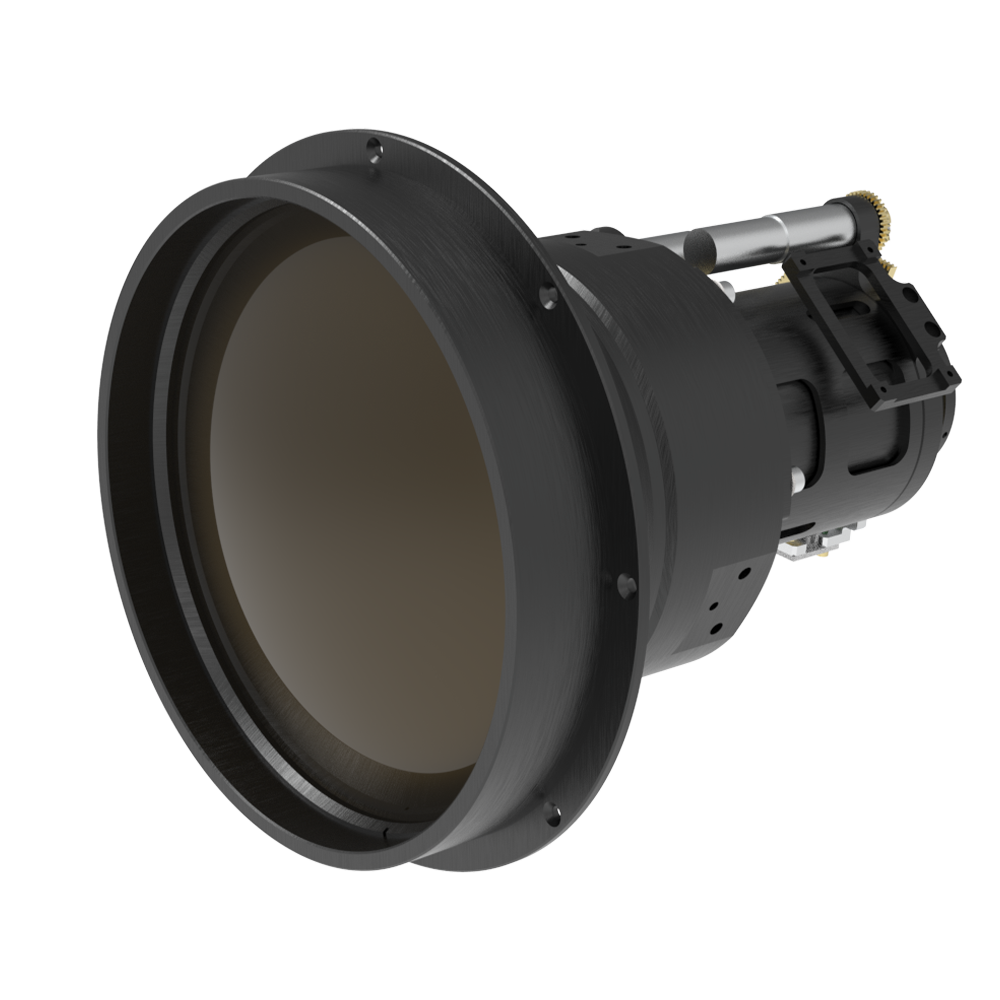
One of the primary benefits of infrared lenses is their ability to focus and manipulate infrared radiation. Unlike standard optical lenses, which are typically designed for visible light, infrared lenses are crafted from materials that efficiently transmit infrared wavelengths. Common materials used for infrared lenses include germanium, silicon, and chalcogenide glass. These materials allow infrared lenses to capture heat signatures and enable imaging systems to detect temperature variations with precision.
In thermal imaging applications, infrared lenses play a vital role in detecting heat emitted by objects. This capability is essential in various sectors, including security, firefighting, and building inspections, where temperature differences can indicate potential hazards or inefficiencies. By utilizing infrared lenses in thermal cameras, users can visualize heat patterns, making it easier to assess situations that are not visible in the standard light spectrum.
Moreover, infrared lenses are integral to telecommunications, particularly in fiber optic systems. These lenses facilitate the transmission of data over long distances by converting electrical signals into infrared light signals. As technology advances, the demand for high-performance infrared lenses in telecommunications continues to grow, leading to innovations in lens design and manufacturing.
In spectroscopy, infrared lenses enhance the analysis of materials by allowing scientists to study molecular vibrations and chemical compositions. By capturing infrared light, these lenses help identify substances based on their unique spectral signatures. This application is particularly valuable in fields such as pharmaceuticals, environmental monitoring, and food safety, where precise substance identification is critical.
When selecting an infrared lens, factors such as wavelength range, focal length, and lens design should be considered. These specifications will impact the lens's performance in its intended application. Additionally, proper care and handling of infrared lenses are essential to maintain their integrity and effectiveness.
In conclusion, infrared lenses are indispensable tools in various scientific and industrial applications. Their unique ability to transmit infrared radiation opens up a world of possibilities for innovation and efficiency. By understanding the properties and uses of infrared lenses, users can leverage their capabilities to enhance their projects and applications, driving advancements in technology and science.
Previous Page:
Contact Us
EMAIL: Guojin@settall.com
No. 8, 14th Building, Zone 7, Headquarters Base, West Outer Ring Road, Fengtai District, Beijing
Contact
EMAIL: Guojin@settall.com
No. 8, 14th Building, Zone 7, Headquarters Base, West Outer Ring Road, Fengtai District, Beijing