
-
-
Nuclear radiation imaging Solution
-
Handheld gas nuclear radiation All-in-one solution
-
SETTALL low-altitude defense System solutions
-
Portable green laser bird repellent System solutions
-
Low-light aiming scope Solution
-
Multifunctional rapid screening instrument for drug abuse Solution
-
Photovoltaic and wind power complementary wireless monitoring System solutions
-
Road vehicle overheating warning System solutions
-
Laser-based bird deterrent system System solutions
-
Bird detection, monitoring, and dispersal System solutions
-
Mountain maintenance monitoring System solutions
-
New generation of coastal defense Solution
Solution
-
-
-
-
-
Return
Enhancing Safety Standards with Thermal Imaging Modules: A Comprehensive Guide
Jan 08,2026
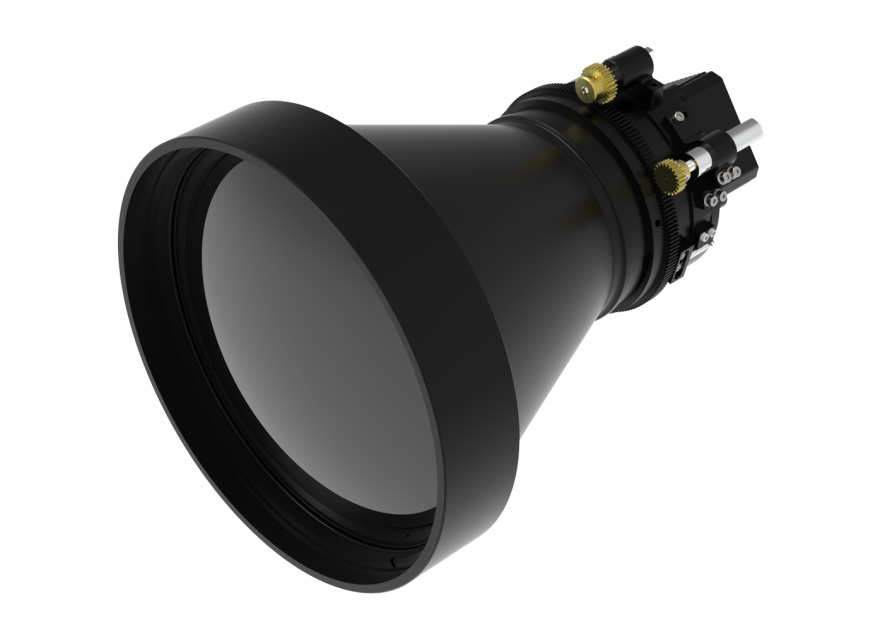
Enhancing Safety Standards with Thermal Imaging Modules
Table of Contents
- Introduction to Thermal Imaging Modules
- What is Thermal Imaging?
- The Importance of Thermal Imaging in Safety Standards
- Applications of Thermal Imaging Modules
- Benefits of Thermal Imaging Modules
- Choosing the Right Thermal Imaging Module
- Future Trends in Thermal Imaging Technologies
- FAQs about Thermal Imaging Modules
- Conclusion
Introduction to Thermal Imaging Modules
In the realm of safety standards, **thermal imaging modules** have emerged as a pivotal technology that enhances risk management and safety measures across various sectors. These sophisticated devices visualize heat patterns, enabling organizations to identify potential hazards before they escalate into critical issues. This article delves into the functionality, applications, and benefits of thermal imaging modules, emphasizing their importance in modern safety protocols.
What is Thermal Imaging?
**Thermal imaging** is a technique that detects and visualizes infrared radiation emitted by objects based on their temperature. Unlike visible cameras that rely on light, thermal cameras capture heat signatures, providing a unique perspective on the conditions of any given environment. This technology is invaluable for identifying temperature anomalies, making it an essential tool in safety assessments.
How Thermal Imaging Works
Thermal imaging cameras utilize sensors that convert infrared radiation into electronic signals, creating a thermal image that displays temperature variations. These images are represented in a color palette, where warmer areas are indicated in bright colors and cooler areas in darker shades. This visualization allows for quick identification of issues such as overheating equipment or human presence in hazardous zones.
The Importance of Thermal Imaging in Safety Standards
The integration of thermal imaging into safety standards has revolutionized how industries approach risk management. This technology provides several advantages, including:
Early Detection of Hazards
Thermal imaging modules serve as an early warning system, alerting personnel to potential risks such as electrical failures, overheating machinery, and fire hazards. Early detection can prevent catastrophic incidents and protect lives.
Improved Compliance with Safety Regulations
Many industries are subject to stringent safety regulations. Implementing thermal imaging technology helps organizations comply with these standards, thus mitigating legal risks and enhancing workplace safety.
Enhanced Decision-Making
With real-time data provided by thermal imaging, decision-makers can assess situations more accurately and take necessary actions promptly. This proactive approach can improve operational efficiency and reduce downtime.
Applications of Thermal Imaging Modules
Thermal imaging modules have diverse applications across multiple sectors, enhancing safety protocols in various ways.
Industrial Applications
In manufacturing and industrial environments, thermal imaging is critical for monitoring equipment health. By detecting heat fluctuations in motors, bearings, and electrical panels, organizations can perform predictive maintenance, reducing the risk of equipment failure and increasing overall productivity.
Fire Safety Applications
Firefighters and fire safety professionals utilize thermal imaging to locate hotspots and hidden fires, even in smoke-filled environments. This capability significantly increases their safety and effectiveness during firefighting operations.
Healthcare Applications
In healthcare settings, thermal imaging is used to screen for elevated body temperatures, which can indicate the presence of illness or infection. This application is particularly pertinent in outbreak situations, helping healthcare providers manage contagious diseases effectively.
Benefits of Thermal Imaging Modules
The advantages of thermal imaging modules extend beyond simple applications. Here are some of the key benefits:
Non-Invasive Inspection
Thermal imaging allows for non-contact inspections, meaning that equipment and structures can be assessed without disruption. This characteristic is particularly beneficial in sensitive environments where disturbances may pose risks.
Cost-Effective Solutions
By reducing equipment failure and improving safety, thermal imaging modules can save organizations significant amounts of money in maintenance and incident costs over time.
Versatility and Adaptability
Thermal imaging modules can be tailored for various applications, from industrial settings to fieldwork. Their adaptability makes them a valuable asset in any safety arsenal.
Choosing the Right Thermal Imaging Module
Selecting the appropriate thermal imaging module is crucial to maximizing its effectiveness in enhancing safety standards. Consider the following factors:
Resolution
Higher resolution provides clearer images, making it easier to identify potential hazards. When selecting a thermal imaging module, prioritize devices with higher pixel counts for better detail.
Temperature Range
Different applications may require different temperature ranges. Ensure the thermal imaging module you select can accurately detect temperatures relevant to your specific use case.
Durability and Design
Depending on the environment, the thermal imaging module should be rugged and capable of withstanding harsh conditions. Look for devices that are certified for durability to ensure longevity.
Future Trends in Thermal Imaging Technologies
As technology evolves, so does thermal imaging. The future holds exciting advancements that will further enhance safety standards, including:
Integration with AI and Machine Learning
The integration of AI into thermal imaging systems will enhance data analysis, providing more accurate predictions and insights into potential safety risks.
Enhanced Connectivity
The rise of IoT (Internet of Things) technologies will enable thermal imaging devices to connect seamlessly with other systems, allowing for real-time data sharing and improved overall safety management.
Miniaturization of Devices
As thermal imaging technology continues to advance, we can expect to see more compact and user-friendly devices, enabling broader usage across various sectors.
FAQs about Thermal Imaging Modules
1. What industries benefit most from thermal imaging modules?
Industries such as manufacturing, healthcare, fire safety, and electrical maintenance benefit significantly from thermal imaging modules due to their ability to enhance safety and operational efficiency.
2. Can thermal imaging detect human presence?
Yes, thermal imaging can detect human presence by visualizing body heat, making it useful for security and safety assessments.
3. How often should thermal imaging inspections be conducted?
The frequency of thermal imaging inspections depends on the industry and specific safety protocols. Regular inspections, often quarterly or biannually, are recommended for optimal safety.
4. Are thermal imaging cameras expensive to maintain?
While thermal imaging cameras can have a higher initial investment, their maintenance costs are relatively low, especially compared to the savings generated from preventive measures.
5. Is thermal imaging safe for use in healthcare?
Yes, thermal imaging is non-invasive and safe for use in healthcare settings, providing valuable insights without any physical contact.
Conclusion
Thermal imaging modules play an essential role in enhancing safety standards across various industries. By providing early detection of hazards, improving compliance with regulations, and offering cost-effective solutions, these technologies are indispensable for modern risk management. As advancements continue in thermal imaging, we can expect even greater contributions to safety protocols in the future. Embracing this technology will undoubtedly lead to safer work environments and better protection for personnel across all sectors.
Contact Us
EMAIL: Guojin@settall.com
No. 8, 14th Building, Zone 7, Headquarters Base, West Outer Ring Road, Fengtai District, Beijing
Contact
EMAIL: Guojin@settall.com
No. 8, 14th Building, Zone 7, Headquarters Base, West Outer Ring Road, Fengtai District, Beijing