
-
-
Nuclear radiation imaging Solution
-
Handheld gas nuclear radiation All-in-one solution
-
SETTALL low-altitude defense System solutions
-
Portable green laser bird repellent System solutions
-
Low-light aiming scope Solution
-
Multifunctional rapid screening instrument for drug abuse Solution
-
Photovoltaic and wind power complementary wireless monitoring System solutions
-
Road vehicle overheating warning System solutions
-
Laser-based bird deterrent system System solutions
-
Bird detection, monitoring, and dispersal System solutions
-
Mountain maintenance monitoring System solutions
-
New generation of coastal defense Solution
Solution
-
-
-
-
-
Return
Exploring the Technology Behind Laser Night Vision: Enhancements and Applications
Dec 30,2025
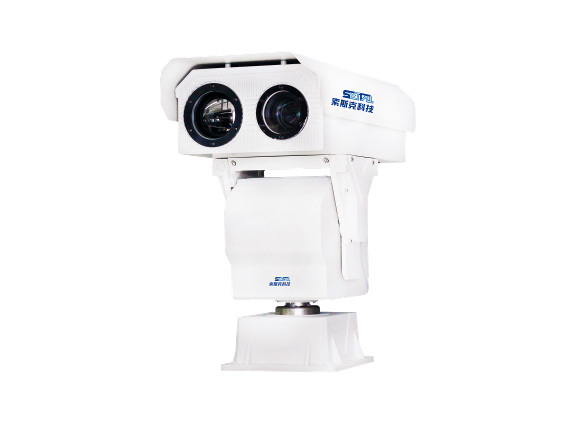
At the core of laser night vision is the use of near-infrared (NIR) lasers, which are invisible to the naked eye. By illuminating the target area with these lasers, the system can capture the reflected light and produce high-resolution images. This capability allows for superior visibility in low-light conditions compared to conventional night vision devices, which can sometimes struggle with clarity and depth perception.
One of the primary benefits of laser night vision is its ability to function effectively in total darkness. Since it relies on active illumination rather than passive light collection, users can achieve enhanced visibility over longer distances. This makes laser night vision systems particularly useful in tactical situations where stealth and precision are paramount. Additionally, the integration of advanced optics in these systems can improve image quality, allowing for better target identification and tracking.
Another important aspect to consider is the potential for integrated technologies within laser night vision systems. Many modern devices incorporate features such as thermal imaging, digital zoom, and image stabilization, further enhancing their effectiveness. These multifunctional capabilities make laser night vision devices versatile tools for various professional fields, including security, law enforcement, and environmental research.
However, while laser night vision technology offers numerous advantages, professionals must also weigh certain considerations. The use of lasers can pose safety risks, especially in environments where unintended exposure to eyes could occur. Therefore, proper training and awareness of operational protocols are essential for users. Additionally, the effectiveness of laser night vision systems may be influenced by atmospheric conditions, such as fog or heavy rain, which could scatter the laser light and affect image quality.
In conclusion, laser night vision technology represents a powerful tool in the realm of optical instruments, providing enhanced visibility and clarity in dark environments. As advancements continue to evolve in this field, professionals can look forward to increasingly sophisticated systems that meet the demands of various applications while ensuring safety and efficacy. Understanding the nuances and capabilities of laser night vision can empower users to make informed decisions about their optical equipment.
Previous Page:
Contact Us
EMAIL: Guojin@settall.com
No. 8, 14th Building, Zone 7, Headquarters Base, West Outer Ring Road, Fengtai District, Beijing
Contact
EMAIL: Guojin@settall.com
No. 8, 14th Building, Zone 7, Headquarters Base, West Outer Ring Road, Fengtai District, Beijing