
-
-
Nuclear radiation imaging Solution
-
Handheld gas nuclear radiation All-in-one solution
-
SETTALL low-altitude defense System solutions
-
Portable green laser bird repellent System solutions
-
Low-light aiming scope Solution
-
Multifunctional rapid screening instrument for drug abuse Solution
-
Photovoltaic and wind power complementary wireless monitoring System solutions
-
Road vehicle overheating warning System solutions
-
Laser-based bird deterrent system System solutions
-
Bird detection, monitoring, and dispersal System solutions
-
Mountain maintenance monitoring System solutions
-
New generation of coastal defense Solution
Solution
-
-
-
-
-
Return
Night Vision Revolution: The Role of Thermal Imaging Telescopes
Dec 29,2025
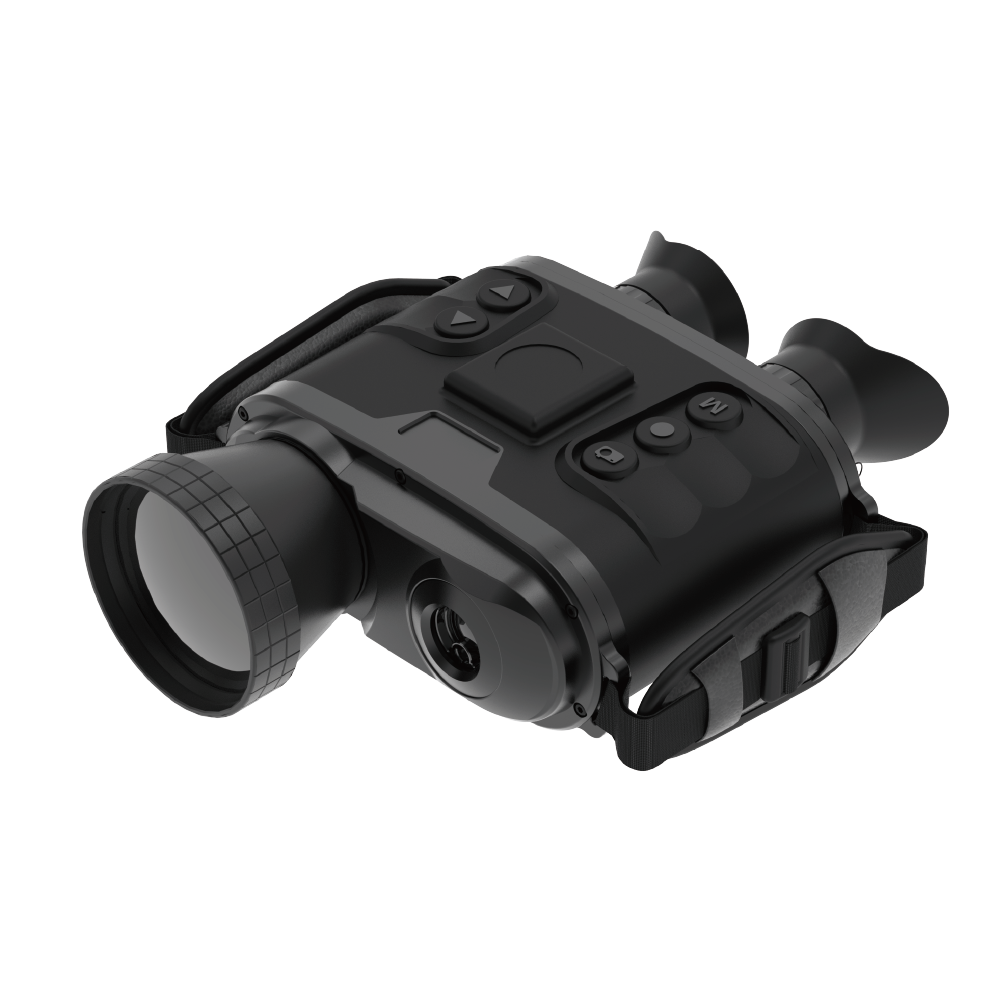
Night Vision Revolution: The Role of Thermal Imaging Telescopes
Table of Contents
- Understanding Thermal Imaging Telescopes
- How Thermal Imaging Works
- Benefits of Thermal Imaging Telescopes
- Applications of Thermal Imaging Telescopes
- Choosing the Right Thermal Imaging Telescope
- The Future of Thermal Imaging Technology
- Thermal Imaging vs. Traditional Night Vision
- Frequently Asked Questions
Understanding Thermal Imaging Telescopes
Thermal imaging telescopes represent a significant leap forward in night vision technology. Unlike traditional optical systems that rely on visible light, thermal imaging devices detect infrared radiation emitted by objects based on their temperature. This ability enables users to see in total darkness, through smoke, fog, and even light rain. The fundamental component of these telescopes is the thermal sensor, which converts thermal energy into an electronic signal that creates a visible image displayed on a screen.
The technology behind thermal imaging has evolved considerably since its inception, moving from bulky, expensive devices primarily used by the military to compact, affordable models suitable for various applications. As a result, thermal imaging telescopes have become indispensable tools for outdoor enthusiasts, researchers, law enforcement officials, and security personnel.
How Thermal Imaging Works
To understand thermal imaging telescopes, we must first grasp how they operate. These devices utilize a sensor to capture infrared radiation, which is emitted by all objects based on their temperature. Here's a step-by-step breakdown of how this technology functions:
1. **Infrared Detection**: The thermal sensor detects infrared radiation emitted by objects, converting it into an electronic signal.
2. **Signal Processing**: The electronic signal is processed to create a thermal image. Different temperatures are represented by different colors, allowing users to distinguish between warm and cold objects.
3. **Image Display**: The processed image is displayed on a screen, where users can view the thermal signature of their surroundings.
The efficiency of thermal imaging technology has improved drastically in recent years, with advances in sensor sensitivity and resolution providing clearer images and greater detail, even in challenging environments.
Benefits of Thermal Imaging Telescopes
Thermal imaging telescopes offer numerous advantages that enhance their usability across various fields:
- **Visibility in Darkness**: The most notable benefit is the ability to see in complete darkness. This capability is vital for search and rescue operations, wildlife observation, and nighttime security surveillance.
- **All-Weather Performance**: Unlike traditional optical systems, thermal imaging telescopes can operate effectively in adverse weather conditions, such as fog, rain, and snow.
- **Long Distance Viewing**: Many thermal imaging telescopes are equipped with powerful optics that allow users to view objects at significant distances without being hindered by environmental factors.
- **Versatility**: These devices have applications across multiple sectors, including law enforcement, military operations, wildlife observation, and search and rescue missions.
- **User-Friendly Interfaces**: Modern thermal imaging telescopes often feature intuitive controls and menus, making them accessible to users of all experience levels.
Applications of Thermal Imaging Telescopes
Thermal imaging telescopes are revolutionizing various industries and fields. Here are some notable applications:
1. Military and Law Enforcement
In military operations, thermal imaging telescopes are used for reconnaissance, target acquisition, and surveillance, providing troops with a tactical advantage in low-visibility conditions. Law enforcement agencies utilize these devices for tracking suspects, monitoring crowds, and enhancing situational awareness during nighttime operations.
2. Search and Rescue
In search and rescue operations, thermal imaging telescopes are invaluable tools for locating missing persons or trapped individuals. Their ability to detect body heat allows rescuers to identify human presence quickly, even in dense woods or challenging terrains.
3. Wildlife Observation
Wildlife enthusiasts and researchers use thermal imaging telescopes to study animal behavior in their natural habitats. The ability to observe nocturnal animals without disturbing them is a significant advantage in ecological research.
4. Security and Surveillance
Businesses and homeowners increasingly utilize thermal imaging technology for security purposes. These telescopes provide enhanced surveillance capabilities, allowing users to monitor their properties effectively during the night.
5. Industrial Applications
In industrial settings, thermal imaging telescopes can identify overheating machinery, electrical faults, and other potential hazards, helping to prevent accidents and maintain equipment efficiency.
Choosing the Right Thermal Imaging Telescope
Selecting the ideal thermal imaging telescope involves considering several factors that align with your specific needs:
1. Intended Use
Determine the primary purpose of the telescope—whether for wildlife observation, security, or search and rescue—since different applications require varying features.
2. Resolution and Sensitivity
Higher resolution thermal sensors provide clearer images. Look for models that offer good thermal sensitivity to detect slight temperature differences.
3. Range
Consider the viewing range that the telescope can achieve. Longer ranges are essential for military and surveillance applications, while shorter ranges may suffice for wildlife observation.
4. Battery Life
Choose a model with adequate battery life to avoid interruptions during extended use.
5. Budget
Thermal imaging telescopes vary in price. It's essential to balance features with your budget to find a suitable option.
The Future of Thermal Imaging Technology
The future of thermal imaging technology looks promising, with continuous advancements expected to enhance performance and broaden applications. Emerging trends include:
- **Integration with AI**: The incorporation of artificial intelligence can enable thermal cameras to analyze and interpret data, improving target detection and identification.
- **Increased Accessibility**: As manufacturing costs decrease, thermal imaging technology may become more widely available, making it accessible to everyday users.
- **Enhanced Connectivity**: Future models may offer better connectivity options, such as Wi-Fi and Bluetooth, allowing users to share images and data seamlessly.
The ongoing research and development in this field will undoubtedly lead to innovative solutions that expand the capabilities and applications of thermal imaging telescopes.
Thermal Imaging vs. Traditional Night Vision
While both thermal imaging and traditional night vision technologies serve the same fundamental purpose—enhancing visibility in low-light conditions—they operate differently and offer distinct advantages:
1. Technology
Traditional night vision devices amplify visible light, while thermal imaging telescopes detect infrared radiation. This fundamental difference means thermal imaging can operate in total darkness without any ambient light.
2. Environmental Conditions
Thermal imaging performs well in adverse weather conditions, such as fog and rain, where traditional night vision may struggle.
3. Detection Capabilities
Thermal imaging can detect heat signatures from living beings and machinery, making it advantageous for search and rescue operations and surveillance.
Frequently Asked Questions
1. What is the difference between thermal imaging and night vision?
Thermal imaging detects infrared radiation and creates images based on heat, while night vision amplifies visible light to enhance seeing in low-light conditions.
2. Can thermal imaging see through walls?
No, thermal imaging cannot see through solid walls, but it can detect heat sources on the other side, depending on the material's thermal conductivity.
3. Are thermal imaging telescopes expensive?
Prices vary significantly, with more affordable models available for casual users and high-end models designed for professional applications.
4. How long do thermal imaging devices last?
With proper care and maintenance, thermal imaging telescopes can last several years, with high-quality models often providing even longer usage.
5. Can thermal imaging be used for home security?
Yes, thermal imaging is increasingly being adopted for home security systems, providing enhanced surveillance capabilities during nighttime.
Conclusion
The night vision revolution is significantly shaped by thermal imaging telescopes, offering unparalleled visibility in darkness and challenging environmental conditions. As we explore the transformational applications of these devices across various fields, it is evident that their advanced technology enhances safety, security, and efficiency. With continuous advancements on the horizon, thermal imaging telescopes will play an even more vital role in our lives, proving to be indispensable tools for professionals and enthusiasts alike. Embracing this technology not only enhances our night vision capabilities but also opens up new horizons for exploration and innovation.
Contact Us
EMAIL: Guojin@settall.com
No. 8, 14th Building, Zone 7, Headquarters Base, West Outer Ring Road, Fengtai District, Beijing
Contact
EMAIL: Guojin@settall.com
No. 8, 14th Building, Zone 7, Headquarters Base, West Outer Ring Road, Fengtai District, Beijing