
-
-
Nuclear radiation imaging Solution
-
Handheld gas nuclear radiation All-in-one solution
-
SETTALL low-altitude defense System solutions
-
Portable green laser bird repellent System solutions
-
Low-light aiming scope Solution
-
Multifunctional rapid screening instrument for drug abuse Solution
-
Photovoltaic and wind power complementary wireless monitoring System solutions
-
Road vehicle overheating warning System solutions
-
Laser-based bird deterrent system System solutions
-
Bird detection, monitoring, and dispersal System solutions
-
Mountain maintenance monitoring System solutions
-
New generation of coastal defense Solution
Solution
-
-
-
-
-
Return
Understanding Infrared Lenses: Key Insights for Professionals in Optical Instruments
Dec 12,2025
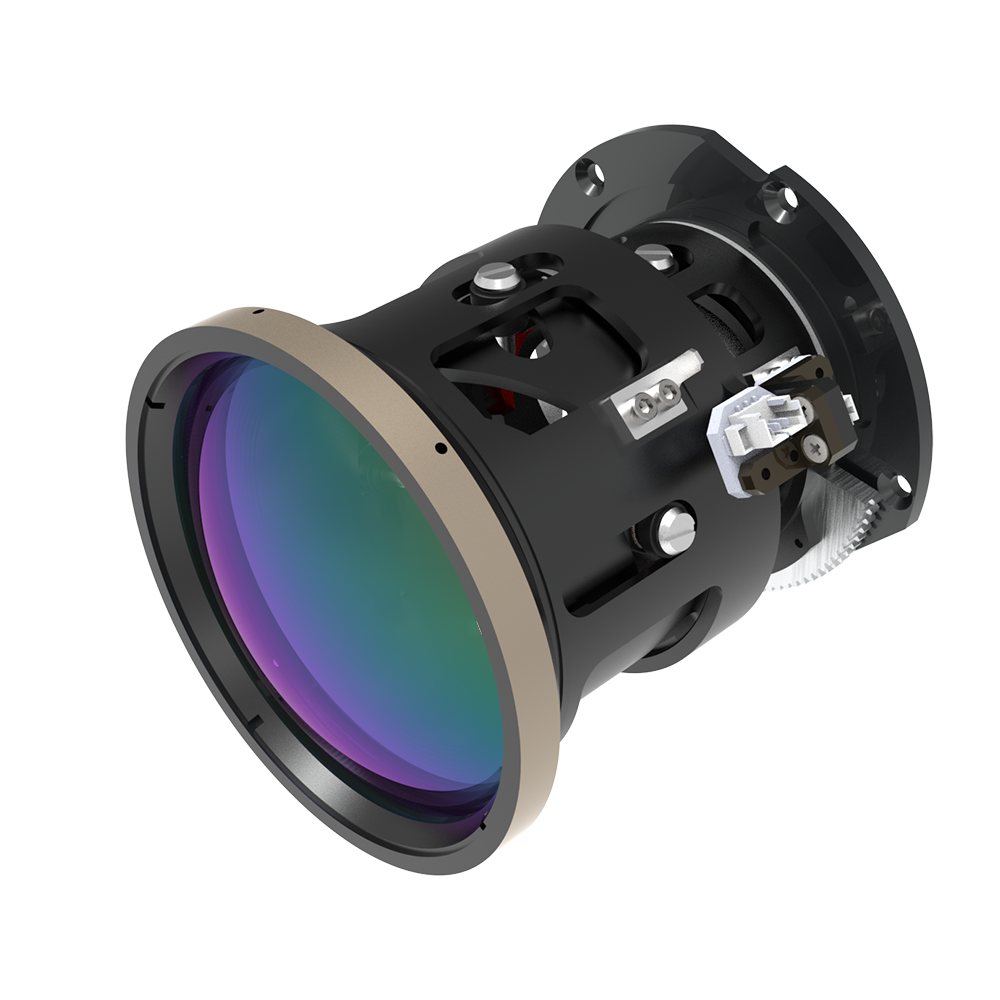
One of the primary materials used to fabricate infrared lenses is germanium, which offers excellent transmission properties in the infrared spectrum. Other materials, such as silicon and zinc selenide, also play significant roles depending on the specific wavelength range and application requirements. When selecting an infrared lens, it is critical to consider not only the material but also the lens design—such as plano-convex or biconvex configurations—to achieve the desired focal length and field of view.
Infrared lenses are prevalent in various industries, particularly in security and surveillance, where they enhance the capability to see in low-light conditions. They are also widely used in automotive applications for night vision systems, allowing drivers to detect pedestrians and obstacles in darkness. Furthermore, in scientific research, infrared lenses facilitate the measurement and analysis of thermal emissions from various materials, contributing to advancements in material science and engineering.
The performance of an infrared lens is often evaluated based on its optical quality, which encompasses parameters such as resolution, distortion, and transmittance. High-quality lenses minimize aberrations and maximize clarity, which is vital for accurate measurements and imaging. Professionals should also be aware of the lens's thermal characteristics, as these can influence its performance under varying operational conditions.
Another crucial factor to consider is the coating on infrared lenses. Anti-reflective coatings can significantly enhance transmittance by reducing reflections at the lens surface. Custom coatings may also be required for specific applications, ensuring optimal performance across different wavelengths.
In conclusion, infrared lenses are an integral part of optical instruments, providing critical functionalities across various sectors. Professionals must carefully consider material, design, optical quality, and coatings when selecting infrared lenses to ensure they meet the specific needs of their applications. Understanding these factors will not only enhance the performance of optical instruments but also contribute to achieving better outcomes in practical applications. As technology continues to evolve, staying informed about advancements in infrared lens technology will be essential for professionals in the field.
Contact Us
EMAIL: Guojin@settall.com
No. 8, 14th Building, Zone 7, Headquarters Base, West Outer Ring Road, Fengtai District, Beijing
Contact
EMAIL: Guojin@settall.com
No. 8, 14th Building, Zone 7, Headquarters Base, West Outer Ring Road, Fengtai District, Beijing