
-
-
Nuclear radiation imaging Solution
-
Handheld gas nuclear radiation All-in-one solution
-
SETTALL low-altitude defense System solutions
-
Portable green laser bird repellent System solutions
-
Low-light aiming scope Solution
-
Multifunctional rapid screening instrument for drug abuse Solution
-
Photovoltaic and wind power complementary wireless monitoring System solutions
-
Road vehicle overheating warning System solutions
-
Laser-based bird deterrent system System solutions
-
Bird detection, monitoring, and dispersal System solutions
-
Mountain maintenance monitoring System solutions
-
New generation of coastal defense Solution
Solution
-
-
-
-
-
Return
Understanding the Technology Behind Thermal Imaging Modules: A Comprehensive Guide
Dec 11,2025
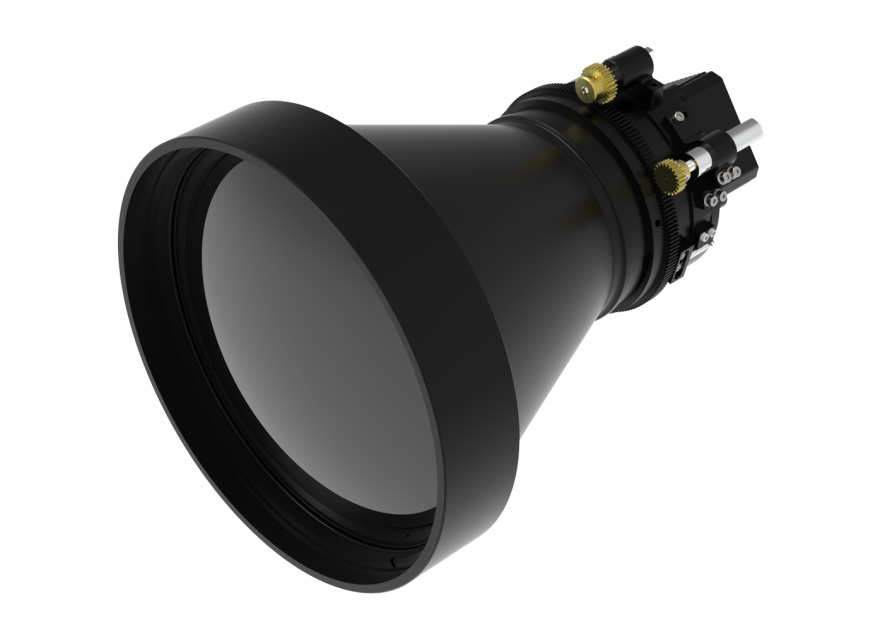
Understanding the Technology Behind Thermal Imaging Modules
Table of Contents
- Introduction to Thermal Imaging
- What is a Thermal Imaging Module?
- How Thermal Imaging Works
- Components of Thermal Imaging Modules
- Applications of Thermal Imaging
- Advantages of Thermal Imaging Technology
- Future Trends in Thermal Imaging
- Conclusion
- FAQs About Thermal Imaging Modules
Introduction to Thermal Imaging
Thermal imaging has revolutionized how we perceive heat emitted by objects. Unlike traditional imaging techniques that rely on visible light, thermal imaging detects infrared radiation, allowing us to visualize temperature differences. This technology has found applications in numerous sectors, from healthcare to industrial maintenance and security. Understanding the underlying technology of thermal imaging modules is crucial for harnessing their full potential.
What is a Thermal Imaging Module?
A **thermal imaging module** is a compact device designed to convert thermal energy into a visual representation, or thermal image. These modules typically consist of a sensor, optics, and a signal processing unit, each working in unison to produce high-quality thermal images. The primary function of these modules is to detect temperature variations in objects, which can be invaluable in various applications, such as preventive maintenance, medical diagnostics, and security monitoring.
How Thermal Imaging Works
The principle behind thermal imaging lies in the detection of infrared radiation. Every object emits infrared radiation based on its temperature. Thermal imaging cameras and modules capture this radiation and convert it into a digital image. The process can be summarized in a few key steps:
1. **Infrared Detection**: The thermal imaging sensor detects infrared radiation emitted by objects. The sensor is calibrated to sense temperature differences, interpreting these variations as different levels of radiation.
2. **Image Formation**: The captured infrared data is then processed and converted into a visual image. Each temperature level corresponds to a specific color on the thermal spectrum, allowing users to identify hot and cold areas in the scene.
3. **Display**: The processed images can be displayed on a screen, allowing users to analyze temperature variations in real time.
Components of Thermal Imaging Modules
Understanding the components of thermal imaging modules is crucial for grasping how they function. Each part plays a vital role in the image-capturing process.
Infrared Sensors
Infrared sensors are the heart of thermal imaging modules. These sensors detect infrared radiation and convert it into electrical signals. The two primary types of infrared sensors used in thermal imaging are:
- **Uncooled Sensors**: These are widely used due to their lower cost and size. They operate at room temperature and are suitable for various applications, including surveillance and automotive technologies.
- **Cooled Sensors**: Operating at cryogenic temperatures, these sensors offer higher sensitivity and resolution, making them ideal for military and scientific uses.
Optics and Lenses
The optics in a thermal imaging module focuses the infrared radiation onto the sensor. The quality of these optics can significantly impact the module's performance. Common materials used for thermal imaging lenses include germanium and silicon, as they are transparent to infrared wavelengths.
Signal Processing Units
After the infrared sensor captures the radiation, the signal processing unit takes over. It converts the raw data into a digital format, enhances image quality, and applies algorithms to improve temperature accuracy. This processing is critical for generating usable thermal images that provide clear insights into temperature variations.
Applications of Thermal Imaging
Thermal imaging technology has widespread applications across multiple sectors, emphasizing its versatility and importance.
Industrial Applications
In industry, thermal imaging modules are primarily used for preventive maintenance. They allow technicians to monitor equipment and identify potential failures before they occur. Common applications include:
- **Electrical Inspections**: Identifying overheating in electrical components to prevent outages.
- **Mechanical Inspections**: Monitoring machinery to detect abnormal heat patterns that could indicate wear or failure.
Medical Applications
In the medical field, thermal imaging is being increasingly utilized for non-invasive diagnostics. It can detect abnormalities in body temperature, which may indicate infections or tumors. For example:
- **Breast Cancer Screening**: Thermal imaging can help identify abnormal thermal patterns associated with tumors.
- **Injury Assessment**: Helps assess inflammation and blood flow in injuries.
Security and Surveillance
Thermal imaging is indispensable in security and surveillance applications. It enables effective monitoring in low-light or no-light conditions, enhancing security systems. Applications include:
- **Perimeter Security**: Detecting unauthorized intrusions in sensitive areas.
- **Search and Rescue Operations**: Locating individuals in challenging environments, such as forests or disaster sites.
Advantages of Thermal Imaging Technology
The adoption of thermal imaging technology comes with a plethora of advantages:
1. **Non-Contact Measurement**: Thermal imaging allows for safe and non-invasive evaluation of temperature, making it ideal for various applications.
2. **Real-Time Analysis**: The capability to visualize temperature differences in real-time significantly improves decision-making processes.
3. **Versatility and Adaptability**: Thermal imaging modules can be adapted for various uses, from industrial inspections to medical diagnostics.
4. **Cost-Effective Maintenance**: Early detection of potential failures can save money and resources by preventing downtime.
5. **Enhanced Safety**: By identifying hazardous conditions, thermal imaging contributes to safer work environments.
Future Trends in Thermal Imaging
The future of thermal imaging technology holds exciting possibilities as advancements continue to emerge:
1. **Miniaturization**: As technology progresses, thermal imaging modules are becoming smaller and more portable, increasing accessibility.
2. **Integration with AI**: Artificial intelligence is expected to play a larger role in analyzing thermal images, leading to more accurate results and predictive maintenance.
3. **Enhanced Resolution**: Future developments will likely yield higher resolution imaging, providing clearer and more detailed thermal images.
4. **Affordable Solutions**: As production techniques improve, thermal imaging technology will become more affordable, allowing wider adoption across various sectors.
5. **Smart Home Integration**: Increasingly, thermal imaging sensors are being integrated into smart home systems for enhanced security and energy efficiency.
Conclusion
Thermal imaging technology has transformed our ability to visualize and analyze temperature variations, making it invaluable across numerous applications. Understanding the intricacies of thermal imaging modules, including their components, operation, and advantages, empowers professionals and enthusiasts alike to leverage this technology effectively. As advancements continue to shape the future of thermal imaging, its role in industries will only expand, offering innovative solutions to complex challenges.
FAQs About Thermal Imaging Modules
1. What is the primary function of a thermal imaging module?
The primary function of a thermal imaging module is to detect infrared radiation emitted by objects and convert it into a visual thermal image that represents temperature variations.
2. How does thermal imaging differ from regular cameras?
Unlike regular cameras that capture visible light, thermal imaging cameras detect infrared radiation, allowing them to visualize temperature differences rather than relying on light conditions.
3. Can thermal imaging be used in low-light conditions?
Yes, thermal imaging technology is highly effective in low-light or no-light conditions, making it an essential tool for surveillance and security applications.
4. What are the common materials used for thermal imaging lenses?
Common materials used for thermal imaging lenses include germanium and silicon, which are transparent to infrared wavelengths.
5. Are thermal imaging modules expensive to operate and maintain?
While the initial investment in thermal imaging technology can be high, the cost of operation and maintenance is generally low, especially when considering the savings from preventive maintenance and early failure detection.
Contact Us
EMAIL: Guojin@settall.com
No. 8, 14th Building, Zone 7, Headquarters Base, West Outer Ring Road, Fengtai District, Beijing
Contact
EMAIL: Guojin@settall.com
No. 8, 14th Building, Zone 7, Headquarters Base, West Outer Ring Road, Fengtai District, Beijing