
-
-
Bird Detection, Monitoring, and Deterrence System Solution
-
Portable Green Laser Bird-Repellent System Solution
-
Solution for Road Vehicle Overtemperature Warning System
-
SETTALL Low-Altitude Defense System Solution
-
Touchscreen Electronic Sandbox Solution
-
Ballistic tracking radar system solution
-
Multi-Functional Rapid Screening and Elimination Device Solution for Poisoned Individuals
-
Handheld Integrated Gas and Nuclear Radiation Detection Solution
-
Nuclear Radiation Imaging Solutions
-
-
Mountain Conservation and Monitoring System Solution
-
Super Video Investigation Individual Soldier System Solution
Solution
-
-
-
-
-
-
News and Information

2026/05/19
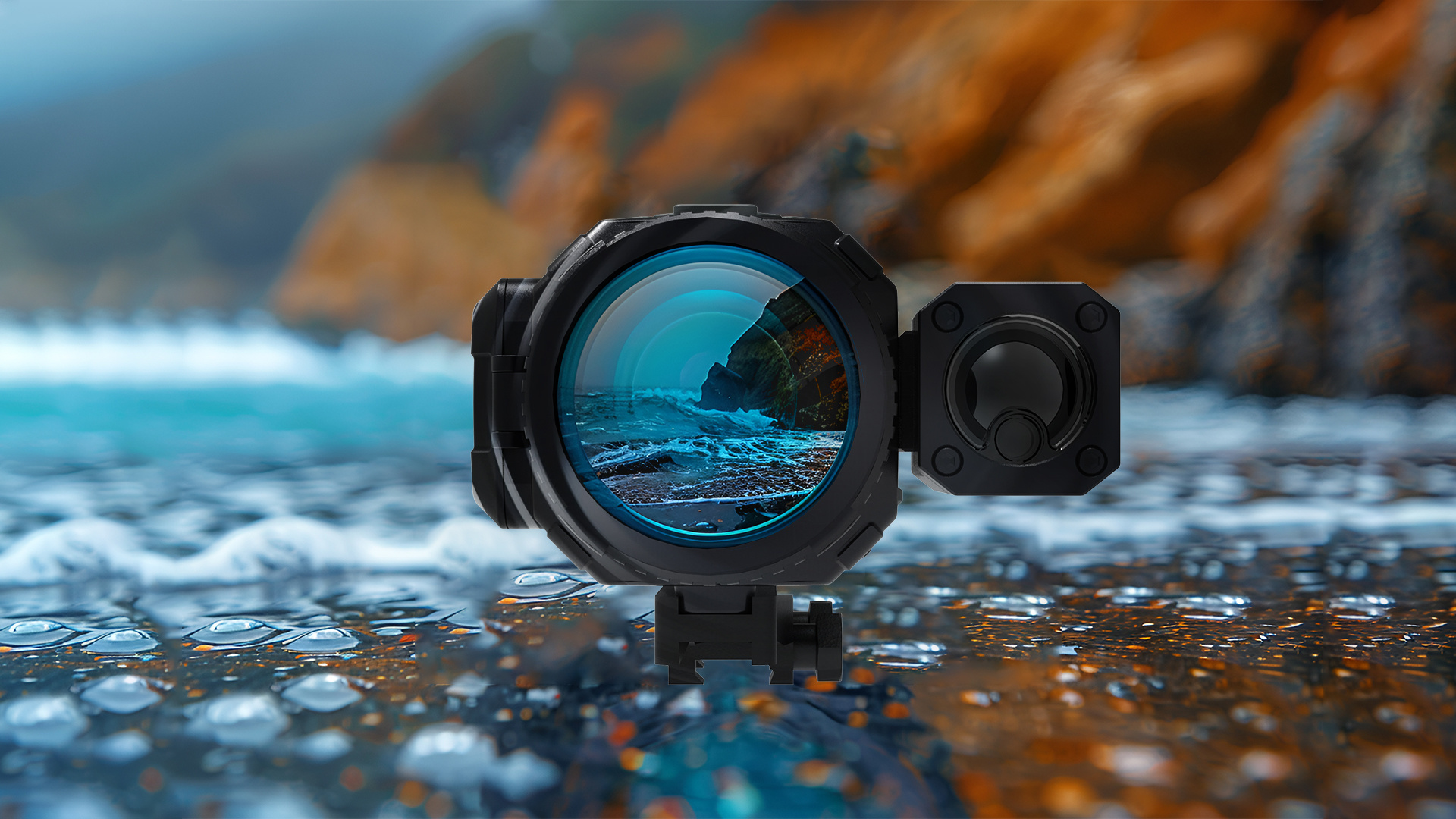
Exploring the World with Handheld Telescopes: A Guide to Their Features and Uses
Handheld telescopes are a fascinating tool that combines convenience with optical power, making them a popular choice for both amateur astronomers and outdoor enthusiasts. These telescopes typically feature powerful magnification capabilities, allowing users to observe celestial objects, landscapes, or wildlife from a distance. The compact size and lightweight design of handheld telescopes make th

2026/05/15
When procuring intelligent facial-recognition laser night‑vision devices for temporary public‑security deployments, it’s not enough to focus solely on camera specifications or algorithm performance. What truly matters are nighttime image quality, long‑range zoom capabilities, local face‑database matching, alarm‑triggered integration, video‑search functionality, wireless analytics, multi‑mode power supply, and ease of on‑site deployment. The value of the SSK/NW‑FR lies in its seamless integration of high‑definition laser night vision, intelligent recognition, edge‑side data capture, backend analytics, and portable deployment—making it ideally suited for applications such as temporary public‑security surveillance, nighttime patrols and evidence collection, checkpoint inspections, and targeted area monitoring and control.

2026/05/14
When procuring binocular thermal‑imaging night‑vision telescopes, the focus should not be on simply comparing prices or solely on maximum detection range. The correct selection process begins with clearly defining the application scenario, then evaluating factors such as the detector, lens, detection/identification range, ranging and positioning capabilities, zoom mechanism, video recording and transmission, environmental protection and battery life, and overall weight. For long‑range nighttime patrol applications, a rangefinding‑and‑positioning‑capable binocular thermal‑imaging telescope is better suited to close the loop by “detecting targets, estimating distances, reporting coordinates, and recording imagery.”

2026/05/13
Why are more and more exhibition halls starting to use touchscreen electronic sand tables?
An increasing number of exhibition halls are adopting touchscreen electronic sandboxes, and the reason is straightforward: traditional sandboxes can only present static displays, whereas electronic sandboxes enable touch‑based interaction, content updates, video integration, platform connectivity, and data visualization. For government exhibition spaces, corporate showrooms, smart parks, public security command centers, political‑legal and social governance initiatives, and emergency‑response displays, touchscreen electronic sandboxes are better suited to serve as digital presentation tools and comprehensive reporting portals.
2026/05/18
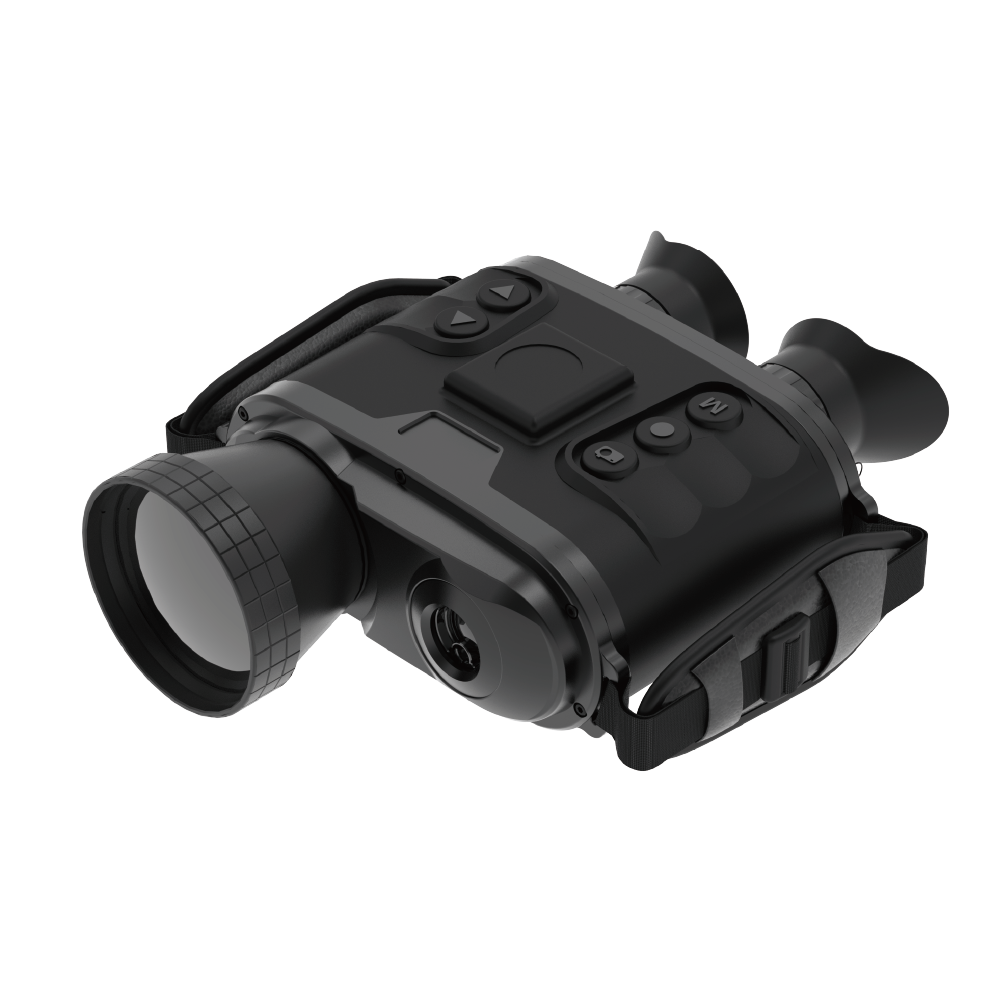
Unlocking the Power of Thermal Imaging Telescopes: A Comprehensive Guide
Thermal imaging telescopes are advanced optical devices that allow users to detect and visualize infrared radiation emitted by objects, making them invaluable in various fields such as security, wildlife observation, and scientific research. Unlike traditional optical telescopes that rely on visible light, thermal imaging telescopes operate in the infrared spectrum, providing unique advantages in
Contact
EMAIL:Guojin@settall.com
8th Floor, Building 14, Zone 7, Headquarters Base, West Outer Ring Road, Fengtai District, Beijing