
-
-
Bird Detection, Monitoring, and Deterrence System Solution
-
Portable Green Laser Bird-Repellent System Solution
-
Solution for Road Vehicle Overtemperature Warning System
-
SETTALL Low-Altitude Defense System Solution
-
Touchscreen Electronic Sandbox Solution
-
Ballistic tracking radar system solution
-
Multi-Functional Rapid Screening and Elimination Device Solution for Poisoned Individuals
-
Handheld Integrated Gas and Nuclear Radiation Detection Solution
-
Nuclear Radiation Imaging Solutions
-
-
Mountain Conservation and Monitoring System Solution
-
Super Video Investigation Individual Soldier System Solution
Solution
-
-
-
-
-
-
Return
Exploring the Benefits and Applications of Thermal Imaging Telescopes
May 25,2026
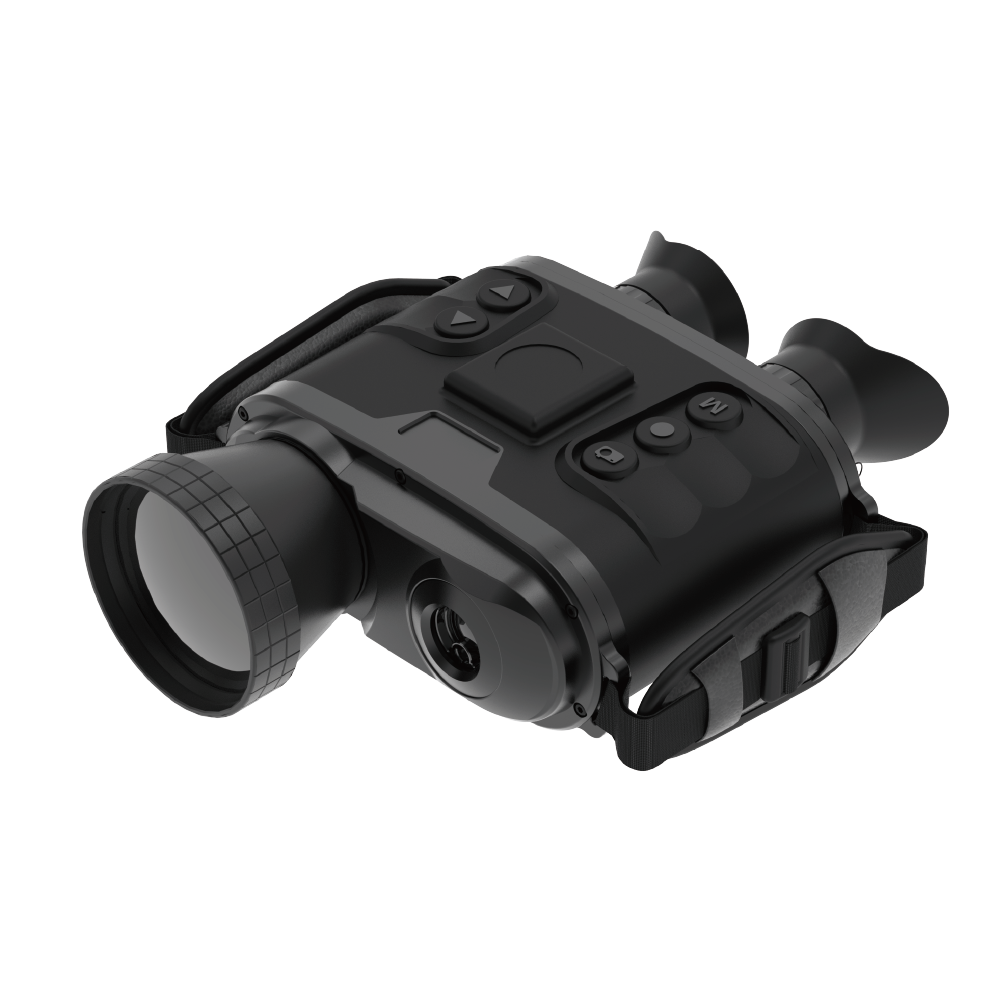
One of the primary advantages of thermal imaging telescopes is their ability to detect warm objects against cooler backgrounds. This feature is particularly useful in scenarios such as search and rescue missions, where locating a person in distress can be a matter of life and death. The heat emitted by a human body can be easily identified, even from a great distance, making it easier for rescuers to pinpoint their location.
In the realm of wildlife observation, thermal imaging telescopes provide a significant advantage over traditional methods. Animals are often more active during nighttime or in dense vegetation, where visibility is limited. By using thermal imaging, wildlife enthusiasts and researchers can observe animal behavior and movement patterns without disturbing their natural habitat. This non-intrusive monitoring can lead to more accurate data collection and a better understanding of ecological systems.
Security applications have also greatly benefited from thermal imaging technology. In surveillance, these telescopes can detect intruders or unauthorized personnel even in low-light situations. They can penetrate fog, smoke, and dust, providing a reliable means of security that is crucial for protecting sensitive areas. Law enforcement agencies utilize thermal imaging to enhance patrol efficiency and ensure public safety.
In military operations, thermal imaging telescopes are essential for reconnaissance and targeting. They allow soldiers to observe enemy movements and positions without revealing their own location. The capability to operate in total darkness gives military personnel a significant tactical advantage, making thermal imaging a critical component of modern warfare strategies.
The technology behind thermal imaging telescopes is continuously evolving, with advancements in sensor technology and image processing enhancing image clarity and accuracy. Many modern devices now include features such as digital zoom, video recording, and connectivity options for real-time data sharing.
In summary, thermal imaging telescopes represent a significant advancement in optical technology, offering a wide range of applications across various fields. Their ability to provide clear images in challenging conditions makes them vital tools for enhancing safety, conducting research, and improving operational efficiency. Understanding their functionality and benefits can help users make informed decisions when considering incorporating thermal imaging technology into their work or hobbies.
Contact Us
Tel:13001168699/13021219308
EMAIL:Guojin@settall.com
8th Floor, Building 14, Zone 7, Headquarters Base, West Outer Ring Road, Fengtai District, Beijing
Contact
EMAIL:Guojin@settall.com
8th Floor, Building 14, Zone 7, Headquarters Base, West Outer Ring Road, Fengtai District, Beijing