
-
-
Bird Detection, Monitoring, and Deterrence System Solution
-
Portable Green Laser Bird-Repellent System Solution
-
Solution for Road Vehicle Overtemperature Warning System
-
SETTALL Low-Altitude Defense System Solution
-
Touchscreen Electronic Sandbox Solution
-
Ballistic tracking radar system solution
-
Multi-Functional Rapid Screening and Elimination Device Solution for Poisoned Individuals
-
Handheld Integrated Gas and Nuclear Radiation Detection Solution
-
Nuclear Radiation Imaging Solutions
-
-
Mountain Conservation and Monitoring System Solution
-
Super Video Investigation Individual Soldier System Solution
Solution
-
-
-
-
-
-
News and Information

2026/06/02
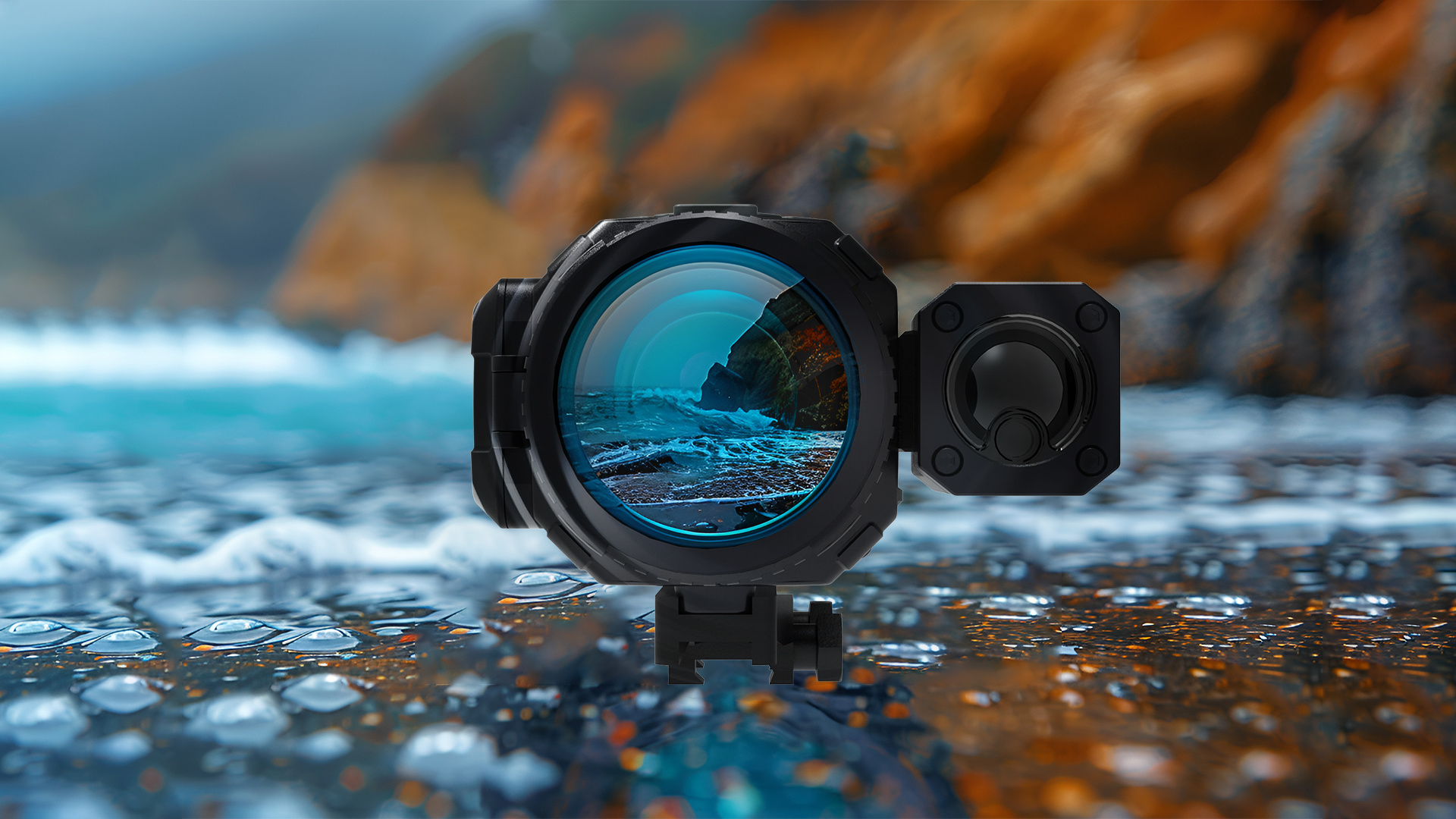
The value of a high-definition handheld laser night vision device goes beyond simply brightening the darkness—it equips nighttime operations with enhanced capabilities for long-range observation, target identification, and on-site documentation. It is ideally suited for applications such as nighttime search-and-rescue, reconnaissance, border patrol, criminal investigation and evidence collection, anti-poaching patrols, and emergency rescue, helping frontline personnel more quickly detect targets, make more reliable situational assessments, and comprehensively preserve critical scene data in challenging, low‑light environments.

2026/06/01
These videos are compelling because they showcase “long-range imaging capabilities” in the most intuitive way. The true value of high-definition night-vision, long-range side‑mount pan‑tilt units lies in their ability to help project teams see farther, see more clearly, conduct continuous surveillance, and trigger alerts—especially in foggy conditions, at night, and over long distances.

2026/06/01
The core value of the SSK/NW-IRS8000 high-definition night‑vision, long‑range side‑mounting pan‑tilt unit lies not in simply “zooming in” on the image, but in enhancing the ability to detect and verify distant targets under challenging conditions—such as foggy weather, nighttime, and long‑range scenarios—through low‑light imaging, optical defogging, thermal imaging, and stable pan‑tilt control.

2026/05/29
When building a volcanic monitoring system, it is essential to consider not just the specifications of individual cameras, but also the completeness of its capabilities—covering both near‑ and far‑range surveillance, temperature monitoring, temporary deployment, power and communication support, and corrosion resistance. Close‑range video enables detailed observation, while long‑range video provides an overview of the overall situation; thermal imaging offers early warning of high‑temperature hotspots; 4G‑based rapid deployment addresses the need for temporary supplemental coverage; and solar‑powered systems combined with wireless microwave transmission ensure reliable operation in areas without electricity or network connectivity. Only when these components are integrated can a truly closed‑loop application for monitoring volcanic activity be achieved.

2026/05/29
The core value of the crater video surveillance and thermal‑monitoring early‑warning system lies in integrating on‑site video, remote video, thermal‑imaging temperature measurement, 4G temporary deployment, solar power supply, and wireless microwave transmission into a robust, long‑term volcanic‑activity monitoring solution. This system reduces the frequency with which personnel must approach hazardous areas, enhances real‑time situational awareness of craters, fissures, high‑temperature hotspots, and the surrounding environment, and provides continuous, intuitive, and traceable data to support disaster early warning, on‑scene coordination, and emergency response.
Contact
EMAIL:Guojin@settall.com
8th Floor, Building 14, Zone 7, Headquarters Base, West Outer Ring Road, Fengtai District, Beijing