
-
-
Bird Detection, Monitoring, and Deterrence System Solution
-
Portable Green Laser Bird-Repellent System Solution
-
Solution for Road Vehicle Overtemperature Warning System
-
SETTALL Low-Altitude Defense System Solution
-
Touchscreen Electronic Sandbox Solution
-
Ballistic tracking radar system solution
-
Multi-Functional Rapid Screening and Elimination Device Solution for Poisoned Individuals
-
Handheld Integrated Gas and Nuclear Radiation Detection Solution
-
Nuclear Radiation Imaging Solutions
-
-
Mountain Conservation and Monitoring System Solution
-
Super Video Investigation Individual Soldier System Solution
Solution
-
-
-
-
-
-
News and Information

2026/05/25
Smart firefighting is transforming on‑scene command and control. Firefighting helmets are no longer mere protective gear; they have become frontline sensing terminals at the fire scene. The integrated air‑ground 3D firefighting and rescue system is no longer just a back‑end platform—it has evolved into an all‑in‑one collaborative ecosystem that connects firefighters, drones, tri‑defense PADs, fire trucks, and the command center. The SSK/NW‑FAI infrared thermal imaging smart firefighting helmet captures real‑time frontline imagery and personnel status, while the air‑ground 3D system handles data aggregation, analysis, dispatch, and post‑incident review. Only when these two components work in tandem can they truly underpin intelligent firefighting and rescue operations.

2026/05/25
When selecting a smart fire‑rescue system, you shouldn’t focus solely on the platform or the helmet. The ground‑air three‑dimensional integrated combat system must be used in tandem with the intelligent fire‑fighting helmet, as the helmet serves as the frontline data gateway, while the platform functions as the backend command hub. The SSK/NW‑FAI is responsible for collecting thermal imaging, visible‑light, vital‑signs, gas‑detection, positioning, and alarm data; meanwhile, the ground‑air three‑dimensional integrated combat system handles fused communications, air‑ground coordination, command and dispatch, and post‑mission analysis. Only by integrating these two components can a truly operational closed loop for smart fire‑rescue be established.
2026/05/25
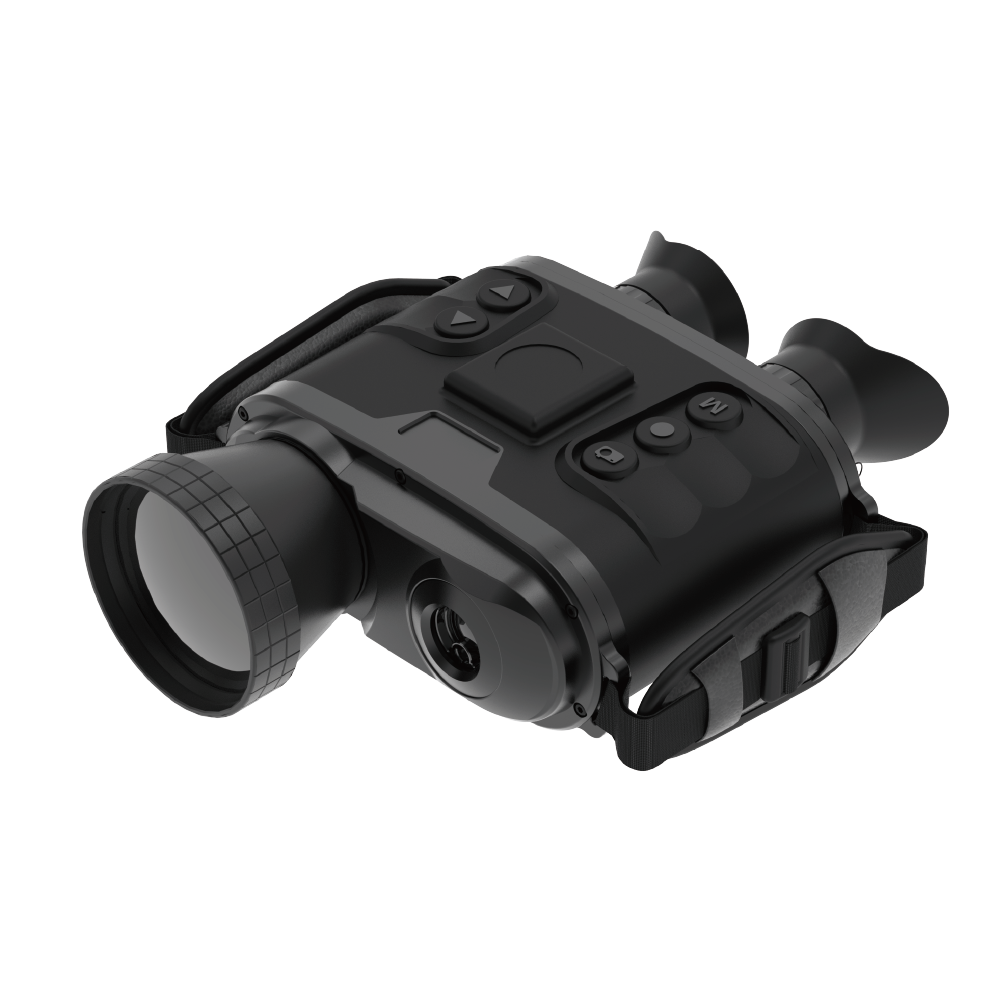
Exploring the Benefits and Applications of Thermal Imaging Telescopes
Thermal imaging telescopes are advanced optical devices that utilize thermal infrared radiation to create images based on temperature differences. Unlike traditional optical telescopes that rely on visible light, thermal imaging telescopes capture the heat emitted by objects, allowing for visibility even in complete darkness or challenging weather conditions. This unique capability has made them i

2026/05/22
When selecting a temperature‑monitoring and early‑warning system for highways, it’s not enough to evaluate the specifications of individual devices; you must assess whether the system provides integrated monitoring inside tunnels and over‑temperature alerts for vehicles outside. Inside tunnels, dual‑spectral fusion, thermal imaging temperature measurement, and intelligent analytics are essential; outside tunnels, license‑plate recognition, vehicle heat‑map visualization, over‑temperature alarms, and coordinated activation of variable message signs and public‑address systems are required. A truly valuable solution establishes a complete closed loop, linking front‑end detection, back‑end alerting, on‑site notifications, and data logging.

2026/05/22
The highway thermal‑imaging monitoring and video‑fusion temperature‑measurement solution goes beyond simply installing a few thermal cameras; it establishes a comprehensive closed loop centered on in‑tunnel safety monitoring and out‑of‑tunnel vehicle over‑temperature early warning. The SSK/NW‑TX9800 is ideally suited for dual‑spectrum fusion temperature measurement and fire‑related over‑temperature alerts inside tunnels, while the external vehicle‑temperature‑measurement system enables non‑contact temperature screening before vehicles enter critical areas. Together, these systems help highway management authorities shift risk mitigation from post‑incident response to proactive early warning at the stage of abnormal temperature rise.
Contact
EMAIL:Guojin@settall.com
8th Floor, Building 14, Zone 7, Headquarters Base, West Outer Ring Road, Fengtai District, Beijing