
-
-
Bird Detection, Monitoring, and Deterrence System Solution
-
Portable Green Laser Bird-Repellent System Solution
-
Solution for Road Vehicle Overtemperature Warning System
-
SETTALL Low-Altitude Defense System Solution
-
Touchscreen Electronic Sandbox Solution
-
Ballistic tracking radar system solution
-
Multi-Functional Rapid Screening and Elimination Device Solution for Poisoned Individuals
-
Handheld Integrated Gas and Nuclear Radiation Detection Solution
-
Nuclear Radiation Imaging Solutions
-
-
Mountain Conservation and Monitoring System Solution
-
Super Video Investigation Individual Soldier System Solution
Solution
-
-
-
-
-
-
News and Information
2026/05/25
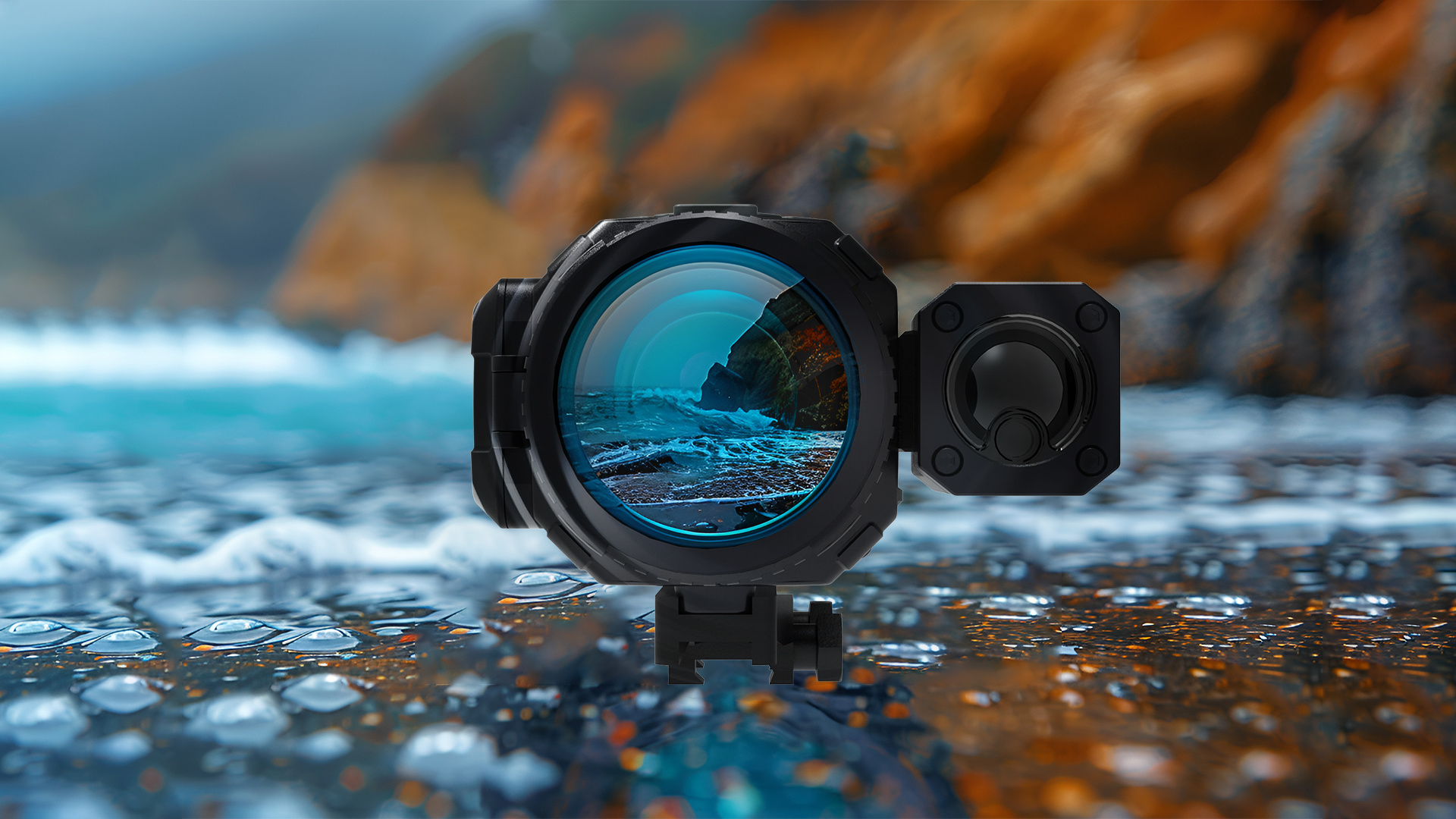
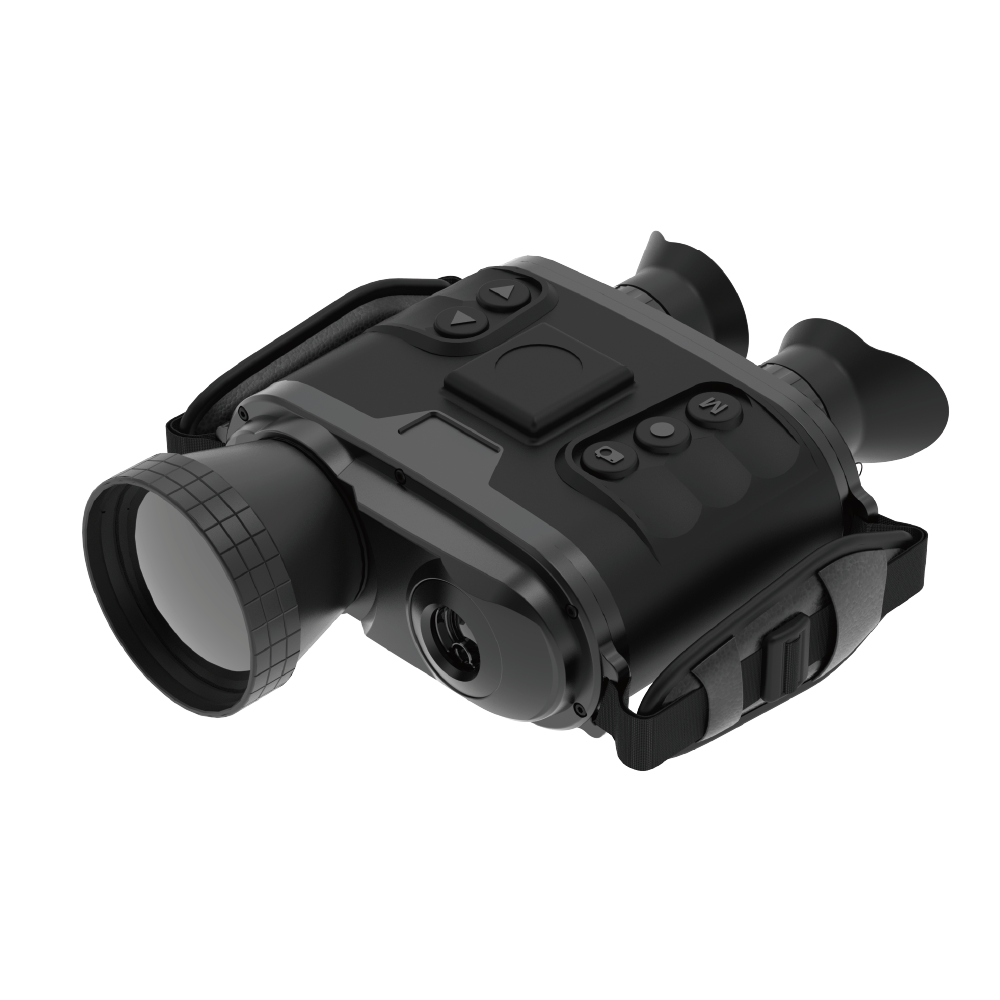
Exploring the Benefits and Applications of Thermal Imaging Telescopes
Thermal imaging telescopes are advanced optical devices that utilize thermal infrared radiation to create images based on temperature differences. Unlike traditional optical telescopes that rely on visible light, thermal imaging telescopes capture the heat emitted by objects, allowing for visibility even in complete darkness or challenging weather conditions. This unique capability has made them i

2026/05/22
When selecting a temperature‑monitoring and early‑warning system for highways, it’s not enough to evaluate the specifications of individual devices; you must assess whether the system provides integrated monitoring inside tunnels and over‑temperature alerts for vehicles outside. Inside tunnels, dual‑spectral fusion, thermal imaging temperature measurement, and intelligent analytics are essential; outside tunnels, license‑plate recognition, vehicle heat‑map visualization, over‑temperature alarms, and coordinated activation of variable message signs and public‑address systems are required. A truly valuable solution establishes a complete closed loop, linking front‑end detection, back‑end alerting, on‑site notifications, and data logging.

2026/05/22
The highway thermal‑imaging monitoring and video‑fusion temperature‑measurement solution goes beyond simply installing a few thermal cameras; it establishes a comprehensive closed loop centered on in‑tunnel safety monitoring and out‑of‑tunnel vehicle over‑temperature early warning. The SSK/NW‑TX9800 is ideally suited for dual‑spectrum fusion temperature measurement and fire‑related over‑temperature alerts inside tunnels, while the external vehicle‑temperature‑measurement system enables non‑contact temperature screening before vehicles enter critical areas. Together, these systems help highway management authorities shift risk mitigation from post‑incident response to proactive early warning at the stage of abnormal temperature rise.

2026/05/21
When procuring a ballistic tracking radar system, the focus should not be solely on whether it can detect targets; rather, a comprehensive evaluation is required, encompassing range performance, velocity measurement range, ranging and angle‑measurement accuracy, data rate, target acquisition, multi‑target tracking, clutter suppression, anti‑jamming capabilities, operator‑interface terminals, and ease of deployment. At its core, a ballistic tracking radar integrates high‑speed target detection, continuous tracking, three‑dimensional coordinate and velocity measurement, and the output of test data into a single, unified measurement system.

2026/05/21
The core value of a ballistic tracking radar system lies in its ability to autonomously acquire, continuously track, and measure the range, angle, and velocity of high‑speed projectiles and low‑altitude targets, while generating three‑dimensional trajectory data. It is not an ordinary surveillance device; rather, it is an integrated radar system designed for ballistic measurement, target tracking, and experimental data acquisition, making it well suited for applications such as range testing, scientific research, projectile trajectory analysis, and low‑altitude target tracking.
Contact
EMAIL:Guojin@settall.com
8th Floor, Building 14, Zone 7, Headquarters Base, West Outer Ring Road, Fengtai District, Beijing