
-
-
Bird Detection, Monitoring, and Deterrence System Solution
-
Portable Green Laser Bird-Repellent System Solution
-
Solution for Road Vehicle Overtemperature Warning System
-
SETTALL Low-Altitude Defense System Solution
-
Touchscreen Electronic Sandbox Solution
-
Ballistic tracking radar system solution
-
Multi-Functional Rapid Screening and Elimination Device Solution for Poisoned Individuals
-
Handheld Integrated Gas and Nuclear Radiation Detection Solution
-
Nuclear Radiation Imaging Solutions
-
-
Mountain Conservation and Monitoring System Solution
-
Super Video Investigation Individual Soldier System Solution
Solution
-
-
-
-
-
-
Return
Essential Infrared Lens Maintenance Tips for Longevity and Performance
Sep 15,2026
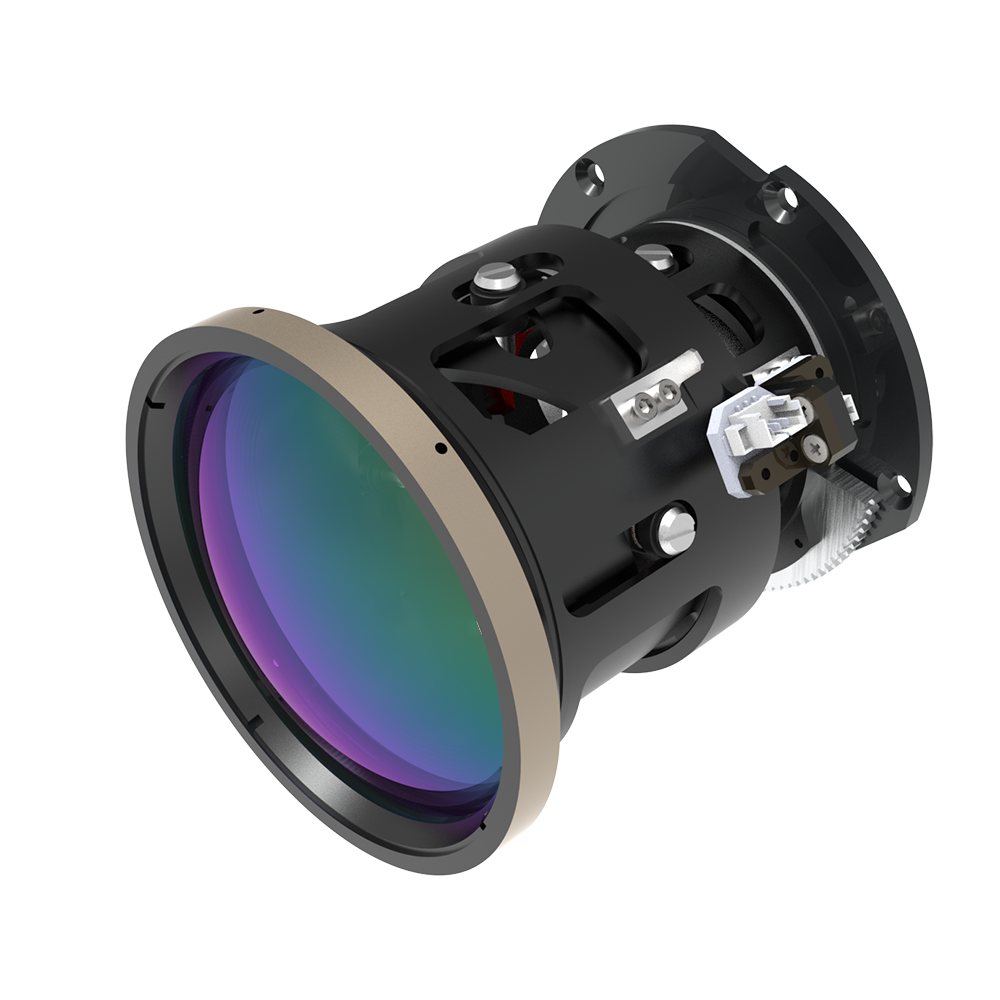
Essential Infrared Lens Maintenance Tips for Longevity and Performance
Table of Contents
- Introduction to Infrared Lens Maintenance
- Understanding Infrared Lenses
- The Importance of Maintaining Your Infrared Lens
- Routine Care for Infrared Lenses
- Effective Cleaning Techniques for Infrared Lenses
- Proper Storage Guidelines for Infrared Lenses
- Troubleshooting Common Issues with Infrared Lenses
- When to Seek Professional Servicing for Your Lens
- Conclusion
- Frequently Asked Questions
Introduction to Infrared Lens Maintenance
Infrared lenses are pivotal in various fields ranging from industrial applications to scientific research. Their ability to detect and analyze infrared radiation makes them indispensable for tasks such as thermal imaging, spectroscopy, and military surveillance. However, like any sophisticated optical instrument, infrared lenses require diligent care and maintenance to ensure optimal performance and longevity. This article provides insightful tips on maintaining your infrared lenses effectively.
Understanding Infrared Lenses
Infrared lenses are designed specifically to transmit infrared light while minimizing distortion and maximizing image clarity. These lenses are composed of specialized materials like germanium, silicon, or chalcogenide glass, each chosen for their unique optical properties. Understanding the composition and functioning of your infrared lens is crucial for implementing appropriate maintenance practices.
The Role of Coatings
Most infrared lenses come with anti-reflective coatings that enhance performance. These coatings can be sensitive to abrasives and harsh chemicals, making it essential to use appropriate cleaning methods to protect them.
The Importance of Maintaining Your Infrared Lens
Proper maintenance of infrared lenses is vital for several reasons:
1. **Enhanced Performance**: Regular maintenance ensures that the lens functions at its best, providing clear and accurate readings or images.
2. **Extended Lifespan**: With the right care, infrared lenses can last significantly longer, saving you money on replacements.
3. **Consistent Results**: Regular maintenance helps in achieving consistent performance, which is crucial for applications requiring precision.
Routine Care for Infrared Lenses
Routine care involves basic practices that help keep your infrared lenses in good shape. Here are several tips to incorporate into your routine:
Daily Inspection
Each time you use your infrared lens, perform a quick visual inspection for dirt, dust, or scratches. Early detection of issues can prevent more significant problems later.
Use of Lens Caps
Always cover your infrared lenses with protective caps when not in use. This simple step prevents dust accumulation and reduces the risk of scratches.
Avoiding Extreme Conditions
Keep your infrared lenses away from extreme temperatures and humidity levels, as these conditions can adversely affect the lens materials and coatings.
Effective Cleaning Techniques for Infrared Lenses
Cleaning your infrared lens requires a gentle touch and the right materials. Here are some effective cleaning techniques to follow:
Gathering Cleaning Supplies
Before cleaning, ensure you have the following supplies:
- Soft microfiber cloths
- Lens cleaning solution specifically designed for infrared lenses
- Compressed air canister
Cleaning Steps
1. **Remove Loose Particles**: Use a canister of compressed air to blow away any loose dust or debris from the lens surface.
2. **Use a Microfiber Cloth**: Dampen a microfiber cloth with the cleaning solution. Avoid saturating the cloth; a few drops are sufficient.
3. **Wipe Gently**: Wipe the lens using circular motions, applying minimal pressure to avoid scratching the lens surface.
4. **Drying**: Allow the lens to air dry completely before using it again.
Proper Storage Guidelines for Infrared Lenses
How you store your infrared lenses significantly impacts their performance and lifespan. Follow these storage guidelines:
Optimal Environment
Store your infrared lenses in a cool, dry place, away from direct sunlight. Extreme heat can damage lens coatings and distort materials.
Use Protective Cases
Invest in high-quality protective cases or padded bags for your lenses. These provide essential protection against physical impacts and environmental factors.
Positioning Lenses
When storing multiple lenses, avoid stacking them directly on top of one another. Use dividers to prevent scratches and other forms of damage.
Troubleshooting Common Issues with Infrared Lenses
Even with proper care, you may encounter some common issues with infrared lenses. Here’s how to troubleshoot them:
Fogging
Fogging can occur due to temperature changes. To resolve this, allow the lens to acclimate to the environment gradually before use.
Scratches
If your lens has developed scratches, consider professional polishing or replacement, as DIY methods can exacerbate the issue.
Image Distortion
If you notice distortion in images, check for dirt or smudges on the lens. Clean thoroughly and inspect for any physical damage.
When to Seek Professional Servicing for Your Lens
While routine maintenance can address many issues, some situations require professional intervention. Recognize when to consult an expert:
Severe Damage
If your lens has suffered significant damage, such as deep scratches or cracks, it's crucial to seek professional servicing to evaluate the extent of the damage.
Calibration Issues
If you notice consistent inaccuracies in the readings or images produced by your lens, professional calibration may be necessary to restore precise performance.
Coating Wear
If you suspect that the anti-reflective coating is compromised, consult a technician to discuss potential re-coating or replacement options.
Conclusion
Maintaining your infrared lens is paramount for ensuring its longevity and optimal performance. By implementing routine care, effective cleaning techniques, and proper storage practices, you can keep your infrared lenses in perfect working condition. Whether you are a professional or a hobbyist, understanding how to care for these sensitive instruments will not only save you money but also enhance the quality of your work. Remember to stay vigilant and seek professional help when necessary, as this will keep your infrared lenses operating efficiently for years to come.
Frequently Asked Questions
1. How often should I clean my infrared lens?
You should clean your infrared lens whenever you notice dust or dirt buildup. Routine inspections can help determine the appropriate cleaning frequency.
2. Can I use regular lens cleaning solution?
No, it is recommended to use cleaning solutions specifically designed for infrared lenses, as regular solutions may damage the special coatings.
3. What materials should I avoid when cleaning my lens?
Avoid using paper towels, rough fabrics, or any abrasive materials as they can scratch the lens surface.
4. How do I know if my infrared lens needs professional servicing?
If you experience persistent issues like severe scratches, image distortion, or calibration inaccuracies, it's time to consult a professional.
5. Can temperature changes affect my infrared lens?
Yes, rapid temperature changes can lead to fogging and other issues. It's advisable to allow the lens to adjust to the environment before use.
Previous page:
Contact Us
Tel:13001168699/13021219308
EMAIL:Guojin@settall.com
8th Floor, Building 14, Zone 7, Headquarters Base, West Outer Ring Road, Fengtai District, Beijing
Contact
EMAIL:Guojin@settall.com
8th Floor, Building 14, Zone 7, Headquarters Base, West Outer Ring Road, Fengtai District, Beijing