
-
-
Bird Detection, Monitoring, and Deterrence System Solution
-
Portable Green Laser Bird-Repellent System Solution
-
Solution for Road Vehicle Overtemperature Warning System
-
SETTALL Low-Altitude Defense System Solution
-
Touchscreen Electronic Sandbox Solution
-
Ballistic tracking radar system solution
-
Multi-Functional Rapid Screening and Elimination Device Solution for Poisoned Individuals
-
Handheld Integrated Gas and Nuclear Radiation Detection Solution
-
Nuclear Radiation Imaging Solutions
-
-
Mountain Conservation and Monitoring System Solution
-
Super Video Investigation Individual Soldier System Solution
Solution
-
-
-
-
-
-
Return
Exploring the World Through Handheld Telescopes: A Comprehensive Guide
Jul 08,2026
### Components of a Handheld Telescope
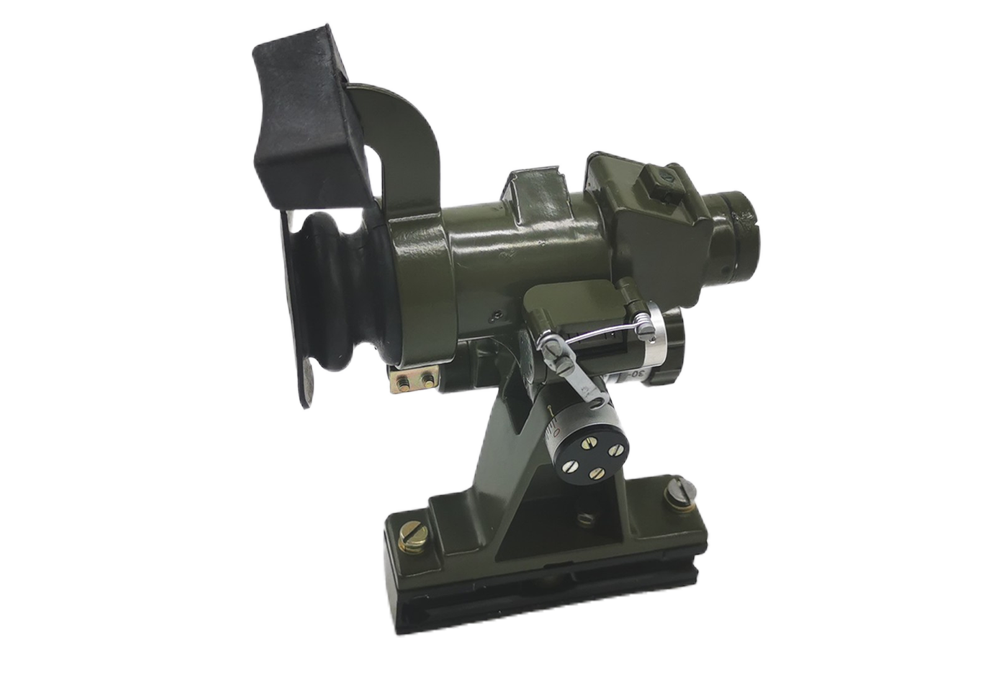
Handheld telescopes typically consist of several key components: the objective lens, eyepiece, body tube, and sometimes a stabilizing tripod. The objective lens is crucial as it collects light and determines the telescope's ability to gather details from far-away objects. The eyepiece magnifies the image, allowing the user to see clearly. The quality of glass used in these lenses plays a significant role in image clarity and brightness.
### Benefits of Using Handheld Telescopes
1. **Portability**: One of the most significant advantages of handheld telescopes is their compact size. They can easily fit in a backpack or a car, making them ideal for travel or spontaneous outings.
2. **Ease of Use**: Unlike larger telescopes, handheld versions often require minimal setup, allowing users to start observing swiftly. This accessibility makes them perfect for beginners.
3. **Versatility**: Handheld telescopes are suitable for various activities, including wildlife observation, birdwatching, and astronomy. They enable users to explore both terrestrial and celestial wonders.
4. **Affordability**: Generally, handheld telescopes are more budget-friendly than large, complex telescoping systems. This affordability allows many to engage in the hobby without significant financial commitment.
### Choosing the Right Handheld Telescope
When selecting a handheld telescope, consider the following factors:
- **Magnification**: Check the magnification power. For most purposes, a magnification of 10x to 20x is suitable.
- **Objective Lens Diameter**: A larger diameter allows more light, enhancing clarity and brightness. A diameter of 50mm is often a good balance for portability and viewing quality.
- **Build Quality**: Opt for models that are durable and weather-resistant, especially if you plan to use them outdoors.
### Best Practices for Using Handheld Telescopes
To maximize your experience with handheld telescopes, follow these best practices:
- **Stabilization**: While handheld telescopes offer mobility, holding them steady can be challenging. Use a stabilizing strap or resting on a solid surface to reduce vibrations.
- **Proper Focus**: Always take the time to focus the telescope correctly to avoid a blurry image. Adjust the eyepiece until you achieve a sharp view.
- **Regular Maintenance**: Keep the lenses clean and free from fingerprints or dust. Use a soft cloth designed for optics to maintain clarity.
In conclusion, handheld telescopes are exceptional tools that can transform the way you observe the world around you. Their portability, ease of use, and versatility make them an excellent choice for anyone looking to dive into astronomy or enhance their outdoor experiences. Whether you're scanning the night sky or observing wildlife, a handheld telescope can open up new vistas and enrich your adventures.
Previous page:
Contact Us
Tel:13001168699/13021219308
EMAIL:Guojin@settall.com
8th Floor, Building 14, Zone 7, Headquarters Base, West Outer Ring Road, Fengtai District, Beijing
Contact
EMAIL:Guojin@settall.com
8th Floor, Building 14, Zone 7, Headquarters Base, West Outer Ring Road, Fengtai District, Beijing