
-
-
Bird Detection, Monitoring, and Deterrence System Solution
-
Portable Green Laser Bird-Repellent System Solution
-
Solution for Road Vehicle Overtemperature Warning System
-
SETTALL Low-Altitude Defense System Solution
-
Touchscreen Electronic Sandbox Solution
-
Ballistic tracking radar system solution
-
Multi-Functional Rapid Screening and Elimination Device Solution for Poisoned Individuals
-
Handheld Integrated Gas and Nuclear Radiation Detection Solution
-
Nuclear Radiation Imaging Solutions
-
-
Mountain Conservation and Monitoring System Solution
-
Super Video Investigation Individual Soldier System Solution
Solution
-
-
-
-
-
-
Return
The Future of Infrared Lens Technology in Optical Instruments: Innovations and Applications
Jul 05,2026
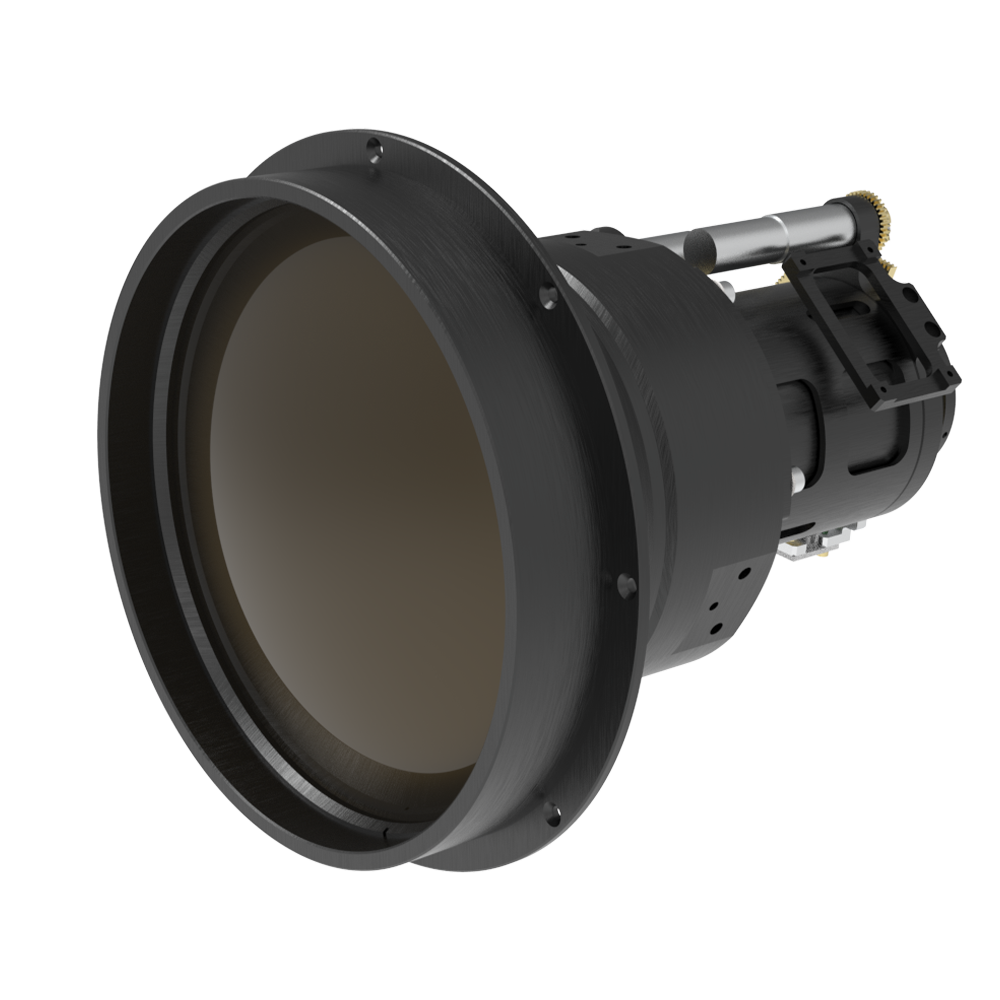
The Future of Infrared Lens Technology in Optical Instruments
Table of Contents
- Introduction to Infrared Lens Technology
- Understanding Infrared Light and Its Importance
- Current State of Infrared Lens Technology
- Innovations in Lens Materials for Infrared Applications
- Key Applications of Infrared Lenses in Various Industries
- Future Trends in Infrared Lens Technology
- Challenges and Solutions in Infrared Lens Development
- Conclusion
- FAQs
Introduction to Infrared Lens Technology
As we advance into a future driven by technology, **infrared lens technology** stands at the forefront of optical innovations. These lenses play a pivotal role in enabling devices to capture and manipulate infrared radiation, which is critical for a wide range of applications, including thermal imaging, spectroscopy, and telecommunications. This article aims to explore the future of infrared lens technology, highlighting the latest advancements, practical applications, and the challenges that lie ahead.
Understanding Infrared Light and Its Importance
Infrared light is electromagnetic radiation with wavelengths longer than visible light, ranging from about 700 nanometers to 1 millimeter. This type of light is invisible to the human eye but can be detected as heat. Understanding the significance of infrared light is essential for grasping its applications in various fields:
Applications of Infrared Light
1. **Thermal Imaging**: Infrared cameras utilize this technology to detect heat emitted by objects, providing critical data during search and rescue operations, building inspections, and medical diagnostics.
2. **Spectroscopy**: Infrared spectroscopy is a technique employed to analyze material composition, identify chemical substances, and monitor environmental changes.
3. **Remote Sensing**: Satellites and drones equipped with infrared sensors collect valuable data for agriculture, forestry, and climate monitoring.
4. **Telecommunications**: Infrared technology is integral to fiber-optic communication systems, enhancing data transmission speeds and capabilities.
Current State of Infrared Lens Technology
The existing landscape of infrared lens technology showcases significant advancements in both design and materials. Traditional **infrared lenses** have relied heavily on materials like germanium and silicon, which are effective but come with limitations such as high costs and weight.
Lens Design Innovations
1. **Aspheric Lenses**: The introduction of aspheric lens designs has improved image quality by reducing spherical aberration, leading to clearer and more accurate imaging.
2. **Multilayer Coatings**: Advanced coatings enhance transmission rates, minimize reflections, and improve the performance of infrared lenses under varying environmental conditions.
Material Advancements
1. **Chalcogenide Glass**: This new class of glass boasts excellent infrared transmission properties and is lighter than traditional materials, making it a favorable choice for high-performance lenses.
2. **Polymer Lenses**: Engineers are increasingly exploring polymers for infrared applications due to their lower cost and versatility in manufacturing.
Innovations in Lens Materials for Infrared Applications
The future of infrared lens technology is heavily tied to the development of innovative materials that enhance performance and reduce costs. Key trends include:
Emerging Materials
1. **Graphene**: This one-atom-thick layer of carbon has shown potential for applications in infrared optics due to its unique electromagnetic properties. Researchers are investigating its use in coatings and lens production.
2. **Metamaterials**: These engineered materials can manipulate infrared light in ways that traditional materials cannot, leading to ultra-thin lenses and advanced imaging systems.
3D Printing Technology
The incorporation of **3D printing** technology into the manufacturing of infrared lenses allows for rapid prototyping and customized designs. This technology opens up new avenues for producing intricate lens geometries that were previously unattainable.
Key Applications of Infrared Lenses in Various Industries
Infrared lenses are making waves across multiple industries due to their versatility. Here are some prominent applications:
1. Military and Defense
In military applications, infrared lenses are crucial for night vision devices, surveillance systems, and target acquisition. The ability to see in the dark provides a tactical advantage on the battlefield.
2. Healthcare
In the medical field, infrared lenses are utilized in various diagnostic tools, such as thermometers and imaging systems. They help in detecting abnormalities based on heat patterns in the body.
3. Automotive
Modern vehicles are increasingly equipped with infrared technology for advanced driver-assistance systems (ADAS). **Infrared cameras** help in pedestrian detection, lane departure warnings, and adaptive cruise control.
4. Agriculture
Infrared lenses aid in precision agriculture by allowing farmers to monitor crop health through thermal imaging. This data-driven approach enables targeted irrigation and fertilization, enhancing yield and reducing waste.
5. Environmental Monitoring
Organizations use infrared technology to monitor environmental changes, such as deforestation, pollution levels, and habitat destruction. Infrared sensors provide critical data that informs conservation efforts.
Future Trends in Infrared Lens Technology
The future of infrared lens technology looks promising, driven by continuous research and development. Key trends to watch include:
1. Integration with Artificial Intelligence
As artificial intelligence (AI) becomes more prevalent, its integration with infrared imaging systems will enhance data analysis and decision-making processes. AI algorithms can assist in identifying patterns and anomalies, making infrared technology more effective in real-time applications.
2. Miniaturization of Devices
The trend towards smaller, more compact devices will push advancements in infrared lens technology. Manufacturers will focus on creating lightweight, high-performance lenses that can be integrated into portable devices without compromising functionality.
3. Sustainable Practices in Manufacturing
With increasing awareness of environmental issues, manufacturers will seek sustainable practices in producing infrared lenses. This shift may involve using eco-friendly materials and minimizing waste during the production process.
Challenges and Solutions in Infrared Lens Development
Despite the numerous advancements in infrared lens technology, several challenges remain. Addressing these issues is crucial for the continued growth of the industry.
1. Cost of Production
High production costs can hinder the adoption of advanced infrared lenses. To combat this, manufacturers are exploring alternative materials and scalable manufacturing processes that can lower expenses.
2. Performance Limitations
While current materials have improved, some performance limitations still exist, particularly in the extreme infrared range. Ongoing research into new materials will be necessary to overcome these barriers.
3. Education and Training
As technology evolves, there is a growing need for skilled professionals who understand the intricacies of infrared lens technology. Investing in education and training programs will ensure that the workforce is equipped to handle future demands.
Conclusion
The future of infrared lens technology in optical instruments is bright, filled with innovation and potential. As advancements in materials, design, and applications continue to unfold, infrared lenses will play an increasingly vital role in various sectors. By embracing new technologies and addressing existing challenges, we can expect a transformative impact on how we capture and utilize infrared light. This evolution will not only enhance optical instruments but also contribute to advancements in fields ranging from healthcare to environmental monitoring.
FAQs
1. What are infrared lenses used for?
Infrared lenses are primarily used in applications such as thermal imaging, spectroscopy, remote sensing, and telecommunications.
2. How do infrared lenses work?
Infrared lenses work by capturing infrared radiation and focusing it onto sensors or imaging devices, allowing for the detection and analysis of heat patterns.
3. What materials are used to make infrared lenses?
Common materials for infrared lenses include germanium, silicon, chalcogenide glass, and polymer materials.
4. What advancements are being made in infrared lens technology?
Recent advancements include the development of aspheric lenses, multilayer coatings, and the exploration of new materials like graphene and metamaterials.
5. How are infrared lenses impacting the medical field?
Infrared lenses are utilized in medical imaging and diagnostic tools, helping to detect abnormalities based on heat patterns in the body.
Contact Us
Tel:13001168699/13021219308
EMAIL:Guojin@settall.com
8th Floor, Building 14, Zone 7, Headquarters Base, West Outer Ring Road, Fengtai District, Beijing
Contact
EMAIL:Guojin@settall.com
8th Floor, Building 14, Zone 7, Headquarters Base, West Outer Ring Road, Fengtai District, Beijing