
-
-
Nuclear radiation imaging Solution
-
Handheld gas nuclear radiation All-in-one solution
-
SETTALL low-altitude defense System solutions
-
Portable green laser bird repellent System solutions
-
Low-light aiming scope Solution
-
Multifunctional rapid screening instrument for drug abuse Solution
-
Photovoltaic and wind power complementary wireless monitoring System solutions
-
Road vehicle overheating warning System solutions
-
Laser-based bird deterrent system System solutions
-
Bird detection, monitoring, and dispersal System solutions
-
Mountain maintenance monitoring System solutions
-
New generation of coastal defense Solution
Solution
-
-
-
-
-
Return
Unlocking the Power of Thermal Imaging Telescopes: A Comprehensive Guide
Apr 23,2026
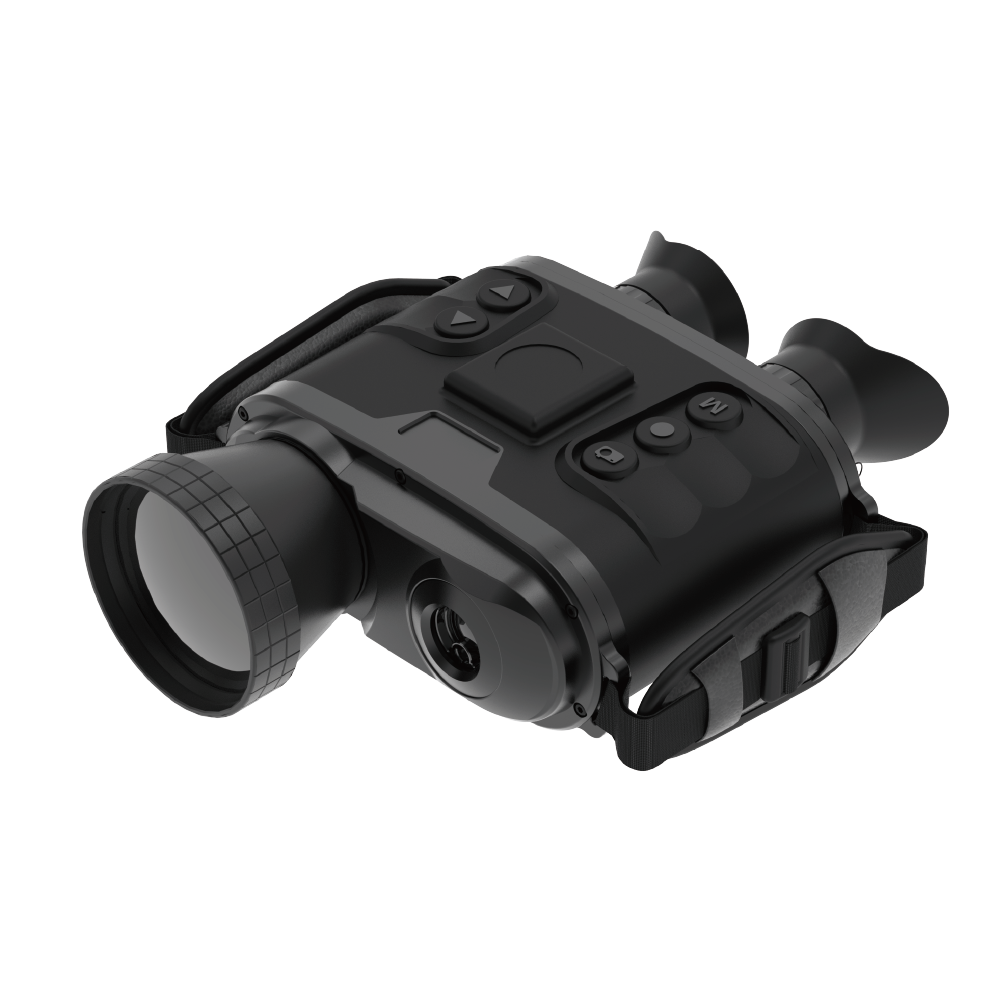
At the core of a thermal imaging telescope is a specialized sensor that captures infrared radiation. This radiation is then converted into a thermal image, which displays differences in temperature within a scene. The resulting images can provide valuable insights that are not possible to obtain through conventional imaging methods. For example, in security applications, a thermal imaging telescope can detect intruders in complete darkness or through obscured environments where visible light cannot penetrate.
One of the primary advantages of thermal imaging telescopes is their ability to operate effectively in diverse conditions. They are not hindered by light levels, making them particularly useful for nighttime surveillance or during adverse weather conditions such as fog, rain, or smoke. This feature significantly enhances the safety and efficiency of operations in various sectors, including law enforcement, military, and emergency services.
Another application of thermal imaging telescopes can be found in wildlife monitoring and research. Biologists can use these devices to study animal behavior without disturbing their natural habitat. For instance, observing nocturnal animals becomes much easier, allowing researchers to gather data on species that are typically elusive during daylight hours. Additionally, thermal imaging can aid in tracking animal movements and patterns, providing critical information for conservation efforts.
In industrial settings, thermal imaging telescopes are used for predictive maintenance and troubleshooting. By identifying hot spots in electrical systems or mechanical equipment, technicians can prevent failures before they occur, saving time and resources. This proactive approach enhances operational efficiency and reliability, making thermal imaging an essential tool for maintenance teams.
Moreover, thermal imaging technology continues to evolve, with advancements leading to higher resolution images and improved sensor sensitivity. This progression opens new avenues for research and application, providing professionals with even more powerful tools to analyze thermal phenomena.
In conclusion, thermal imaging telescopes are versatile instruments that serve a wide array of purposes across different industries. Their capability to visualize heat signatures enhances situational awareness and decision-making processes, making them invaluable assets for professionals. Understanding the principles and applications of thermal imaging telescopes can significantly benefit those involved in fields that require precise thermal analysis.
Previous Page:
Contact Us
EMAIL: Guojin@settall.com
No. 8, 14th Building, Zone 7, Headquarters Base, West Outer Ring Road, Fengtai District, Beijing
Contact
EMAIL: Guojin@settall.com
No. 8, 14th Building, Zone 7, Headquarters Base, West Outer Ring Road, Fengtai District, Beijing