
-
-
Nuclear radiation imaging Solution
-
Handheld gas nuclear radiation All-in-one solution
-
SETTALL low-altitude defense System solutions
-
Portable green laser bird repellent System solutions
-
Low-light aiming scope Solution
-
Multifunctional rapid screening instrument for drug abuse Solution
-
Photovoltaic and wind power complementary wireless monitoring System solutions
-
Road vehicle overheating warning System solutions
-
Laser-based bird deterrent system System solutions
-
Bird detection, monitoring, and dispersal System solutions
-
Mountain maintenance monitoring System solutions
-
New generation of coastal defense Solution
Solution
-
-
-
-
-
Return
Understanding Thermal Imaging Modules: Key Insights for Professionals
Apr 09,2026
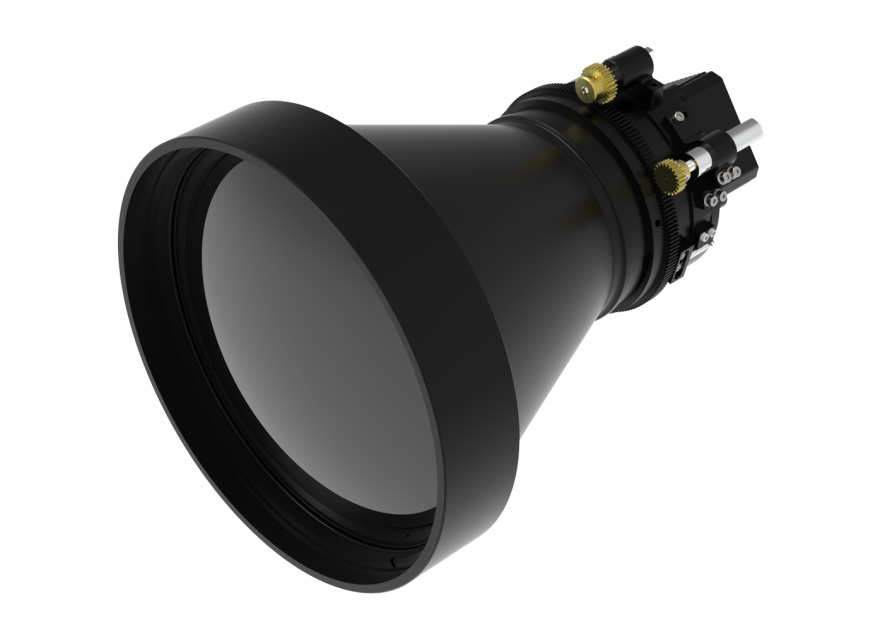
One of the primary advantages of thermal imaging modules is their ability to provide non-invasive, real-time monitoring. This feature is particularly beneficial in fields such as building diagnostics, where it can be used to identify heat leaks, moisture intrusion, or insulation deficiencies. By pinpointing these issues early, professionals can recommend timely solutions, significantly reducing energy costs and improving overall efficiency.
In the realm of industrial applications, thermal imaging modules are indispensable for predictive maintenance. Equipment overheating can lead to costly downtime and repairs. By integrating thermal imaging into routine inspections, technicians can detect potential failures before they escalate, ensuring smooth operations and prolonging the lifespan of machinery. The thermal images generated provide clear visual evidence, aiding in more effective decision-making.
Moreover, thermal imaging modules are widely utilized in medical diagnostics. Healthcare professionals leverage this technology to detect conditions such as inflammation, circulatory issues, or tumors, by observing temperature variations in the body. This non-invasive method enhances patient comfort and allows for quicker, more accurate diagnoses.
In terms of technology, thermal imaging modules utilize various sensors, such as microbolometers, to capture infrared radiation. These sensors convert the detected thermal energy into electronic signals, which are then processed to create thermal images. Advances in sensor technology have led to improved sensitivity, resolution, and frame rates in thermal imaging modules, making them more effective in diverse applications.
When considering thermal imaging modules, factors such as image resolution, thermal sensitivity, and field of view are critical. High-resolution images allow for better analysis and interpretation, while sensitivity determines the module's ability to detect minute temperature changes. A wide field of view can cover larger areas in a single scan, enhancing efficiency in inspections and monitoring tasks.
In conclusion, thermal imaging modules are invaluable tools across various industries, providing essential insights and facilitating proactive measures. Their ability to visualize temperature variations empowers professionals to make informed decisions, ultimately leading to increased safety, efficiency, and cost savings. As technology continues to evolve, staying informed about the latest advancements in thermal imaging will be crucial for leveraging these powerful instruments effectively.
Previous Page:
Contact Us
EMAIL: Guojin@settall.com
No. 8, 14th Building, Zone 7, Headquarters Base, West Outer Ring Road, Fengtai District, Beijing
Contact
EMAIL: Guojin@settall.com
No. 8, 14th Building, Zone 7, Headquarters Base, West Outer Ring Road, Fengtai District, Beijing