
-
-
Nuclear radiation imaging Solution
-
Handheld gas nuclear radiation All-in-one solution
-
SETTALL low-altitude defense System solutions
-
Portable green laser bird repellent System solutions
-
Low-light aiming scope Solution
-
Multifunctional rapid screening instrument for drug abuse Solution
-
Photovoltaic and wind power complementary wireless monitoring System solutions
-
Road vehicle overheating warning System solutions
-
Laser-based bird deterrent system System solutions
-
Bird detection, monitoring, and dispersal System solutions
-
Mountain maintenance monitoring System solutions
-
New generation of coastal defense Solution
Solution
-
-
-
-
-
Return
Exploring the Advantages and Applications of Thermal Imaging Telescopes
Apr 07,2026
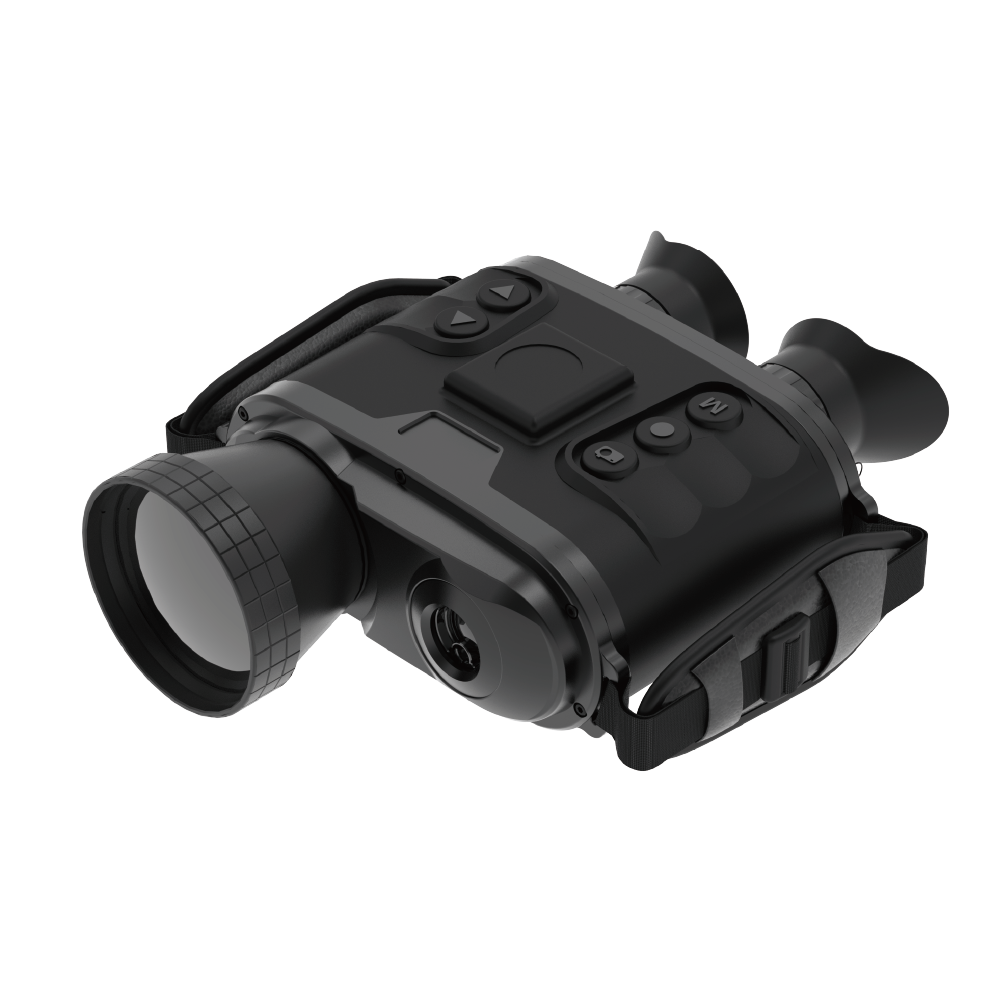
One of the primary advantages of thermal imaging telescopes is their capacity to operate in low-light and no-light conditions. Unlike traditional optical telescopes that rely on visible light, thermal imaging technology captures the infrared radiation emitted by all objects, allowing for clear imaging regardless of ambient lighting. This feature makes thermal imaging telescopes invaluable for nighttime surveillance and monitoring.
Additionally, thermal imaging telescopes provide enhanced target detection capabilities. The ability to distinguish heat signatures enables users to identify living organisms, vehicles, and other objects that may not be visible to the naked eye. This is particularly beneficial in wildlife observation, where researchers can monitor animal behavior without disturbing their natural habitat. Similarly, in search and rescue missions, thermal imaging can help locate missing persons or detect heat sources in challenging terrains.
Moreover, these telescopes often come equipped with features like digital zoom, built-in recording capabilities, and image processing technologies. These advancements allow users to capture high-resolution images and videos, facilitating detailed analysis and documentation. The integration of Wi-Fi and Bluetooth connectivity in some models further enhances user experience by enabling remote monitoring and data sharing.
Thermal imaging telescopes also find applications in various industrial sectors. For instance, they are utilized in electrical maintenance to identify overheating components, thus preventing potential failures. In building inspections, thermal imaging can reveal insulation deficiencies, moisture intrusion, and air leaks, contributing to energy efficiency assessments.
When selecting a thermal imaging telescope, it's essential to consider factors such as resolution, frame rate, and the type of thermal sensor used. Higher resolution provides clearer images, while a faster frame rate ensures smoother motion tracking, essential for dynamic environments. Additionally, understanding the range of operation is crucial; some telescopes are designed for close-range observation, while others excel at long-distance detection.
In conclusion, thermal imaging telescopes represent a significant advancement in optical technology, offering a wide array of applications that cater to both professional and recreational needs. Their ability to visualize heat signatures opens up new possibilities in numerous fields, making them an indispensable tool for those seeking enhanced observational capabilities. Whether in security, wildlife research, or industrial applications, the benefits of thermal imaging are vast and increasingly relevant in today's technology-driven world.
Previous Page:
Contact Us
EMAIL: Guojin@settall.com
No. 8, 14th Building, Zone 7, Headquarters Base, West Outer Ring Road, Fengtai District, Beijing
Contact
EMAIL: Guojin@settall.com
No. 8, 14th Building, Zone 7, Headquarters Base, West Outer Ring Road, Fengtai District, Beijing