
-
-
Nuclear radiation imaging Solution
-
Handheld gas nuclear radiation All-in-one solution
-
SETTALL low-altitude defense System solutions
-
Portable green laser bird repellent System solutions
-
Low-light aiming scope Solution
-
Multifunctional rapid screening instrument for drug abuse Solution
-
Photovoltaic and wind power complementary wireless monitoring System solutions
-
Road vehicle overheating warning System solutions
-
Laser-based bird deterrent system System solutions
-
Bird detection, monitoring, and dispersal System solutions
-
Mountain maintenance monitoring System solutions
-
New generation of coastal defense Solution
Solution
-
-
-
-
-
Return
Unlocking the Potential of Thermal Imaging Modules in Optical Instruments
Mar 16,2026
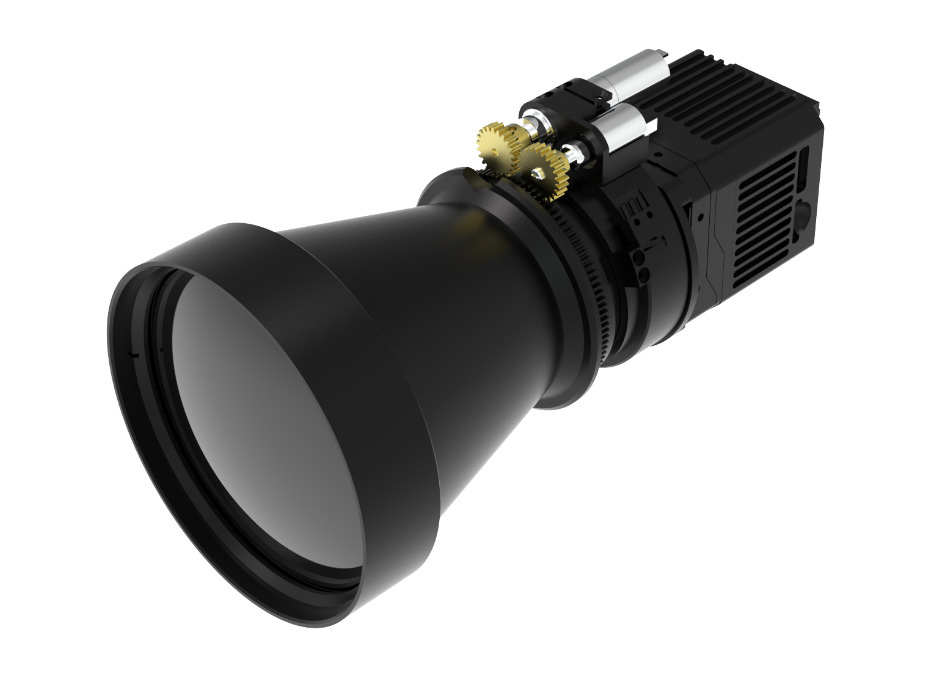
One of the primary advantages of thermal imaging modules is their ability to detect heat patterns, which can be invaluable for predictive maintenance in industrial settings. By identifying hotspots in machinery or electrical systems, businesses can prevent failures before they occur, thereby improving operational efficiency and reducing downtime. Furthermore, these modules provide a non-invasive method for monitoring heat distribution, making them ideal for applications where traditional methods may not be feasible.
In addition to industrial applications, thermal imaging modules are also making significant contributions to healthcare. For example, they can be used to detect temperature anomalies in patients, which may indicate underlying health issues such as inflammation or infection. This capability allows for early intervention and treatment, thereby enhancing patient care and outcomes. Additionally, these modules can assist in veterinary medicine, providing similar benefits for animal health monitoring.
Environmental monitoring is another area where thermal imaging modules shine. They can be employed to assess temperature variations in ecosystems, aiding researchers in studying climate change effects. By providing precise data on thermal patterns, these modules can help inform conservation strategies and promote sustainable practices.
When considering the integration of thermal imaging modules into optical instruments, several factors need to be addressed. Compatibility with existing systems is paramount; therefore, it’s essential to evaluate the specifications of both the imaging module and the optical device. Additionally, user training is crucial, as interpreting thermal images requires a different skill set compared to traditional optical data.
Moreover, the resolution and sensitivity of thermal imaging modules vary widely. Higher-resolution modules can provide more detailed images, which may be necessary for specific applications, while others may prioritize sensitivity to detect minute temperature differences. Therefore, selecting a module that aligns with the application's requirements is essential for optimal performance.
In conclusion, thermal imaging modules offer a range of benefits across multiple industries, particularly within the realm of optical instruments. Their ability to detect and analyze thermal variations opens up new possibilities for monitoring and diagnostics. By understanding their functionality and applications, professionals can leverage this technology to drive innovation and improve efficiency in their respective fields.
Previous Page:
Contact Us
EMAIL: Guojin@settall.com
No. 8, 14th Building, Zone 7, Headquarters Base, West Outer Ring Road, Fengtai District, Beijing
Contact
EMAIL: Guojin@settall.com
No. 8, 14th Building, Zone 7, Headquarters Base, West Outer Ring Road, Fengtai District, Beijing