
-
-
Nuclear radiation imaging Solution
-
Handheld gas nuclear radiation All-in-one solution
-
SETTALL low-altitude defense System solutions
-
Portable green laser bird repellent System solutions
-
Low-light aiming scope Solution
-
Multifunctional rapid screening instrument for drug abuse Solution
-
Photovoltaic and wind power complementary wireless monitoring System solutions
-
Road vehicle overheating warning System solutions
-
Laser-based bird deterrent system System solutions
-
Bird detection, monitoring, and dispersal System solutions
-
Mountain maintenance monitoring System solutions
-
New generation of coastal defense Solution
Solution
-
-
-
-
-
Return
Understanding Thermal Imaging Modules: Applications and Benefits in Modern Optics
Mar 08,2026
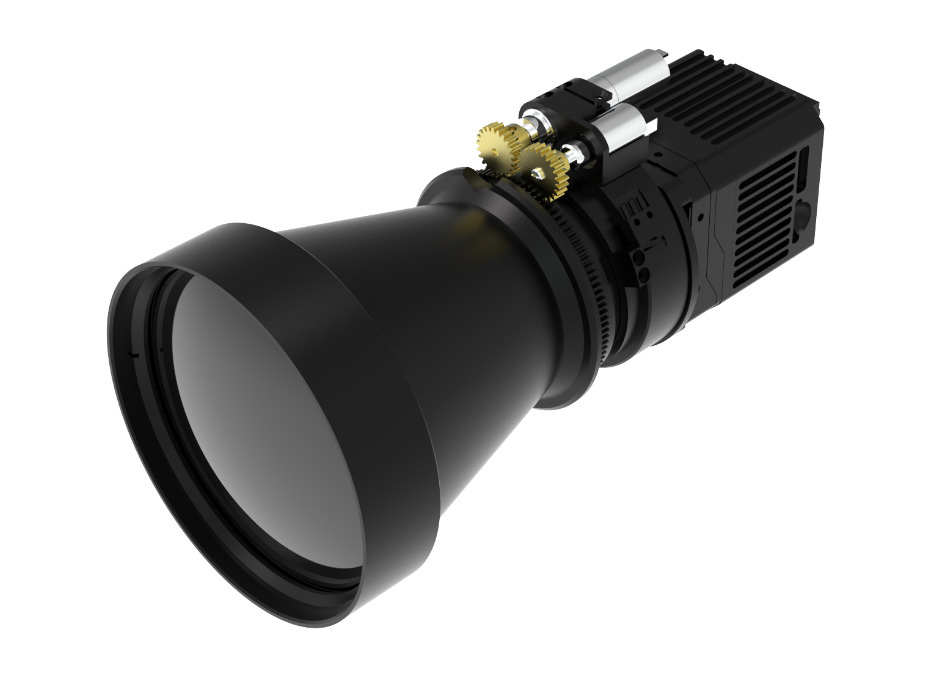
The core functioning principle of a thermal imaging module is based on the detection of infrared radiation, which all objects emit as a function of their temperature. This allows users to visualize temperature differences in a scene, thus enabling the identification of hot and cold spots. The resolution and sensitivity of thermal imaging modules have significantly improved over the years, making them an essential tool in both industrial applications and scientific research.
In the realm of optics, thermal imaging modules play a pivotal role in non-destructive testing (NDT) and predictive maintenance. For instance, in manufacturing settings, engineers utilize thermal imaging to detect overheating equipment, thereby preventing potential failures that could lead to costly downtime. By incorporating thermal imaging technology into their routine maintenance protocols, businesses can enhance operational efficiency and significantly reduce repair costs.
Moreover, thermal imaging modules are widely used in building inspections to identify heat loss, insulation issues, and moisture intrusions. Inspectors can quickly pinpoint areas that require repairs or improvements, leading to enhanced energy efficiency and reduced energy costs for building occupants. This application is particularly relevant in a world increasingly focused on sustainability and energy conservation.
Another notable application of thermal imaging modules is in the medical field, where they assist in diagnosing various conditions by detecting abnormal heat patterns associated with illnesses or injuries. For example, increased blood flow to a specific area may indicate inflammation, while abnormal temperature readings could signal the presence of tumors. This non-invasive method aids healthcare professionals in making timely and accurate decisions regarding patient care.
In addition to these practical applications, thermal imaging modules have unique uses in security and surveillance. By detecting heat signatures, they can identify unauthorized personnel or monitor areas in complete darkness, enhancing safety and security measures.
In conclusion, thermal imaging modules are becoming increasingly integral to the field of optics, offering a multitude of applications that improve efficiency, safety, and diagnostics across various industries. With ongoing advancements in technology, the versatility and capabilities of thermal imaging modules are expected to expand even further, solidifying their place as a cornerstone in modern instrumentation.
Previous Page:
Contact Us
EMAIL: Guojin@settall.com
No. 8, 14th Building, Zone 7, Headquarters Base, West Outer Ring Road, Fengtai District, Beijing
Contact
EMAIL: Guojin@settall.com
No. 8, 14th Building, Zone 7, Headquarters Base, West Outer Ring Road, Fengtai District, Beijing