
-
-
Nuclear radiation imaging Solution
-
Handheld gas nuclear radiation All-in-one solution
-
SETTALL low-altitude defense System solutions
-
Portable green laser bird repellent System solutions
-
Low-light aiming scope Solution
-
Multifunctional rapid screening instrument for drug abuse Solution
-
Photovoltaic and wind power complementary wireless monitoring System solutions
-
Road vehicle overheating warning System solutions
-
Laser-based bird deterrent system System solutions
-
Bird detection, monitoring, and dispersal System solutions
-
Mountain maintenance monitoring System solutions
-
New generation of coastal defense Solution
Solution
-
-
-
-
-
Return
The Essential Guide to Infrared Lenses: Unlocking the Potential of Optical Applications
Jan 01,2026
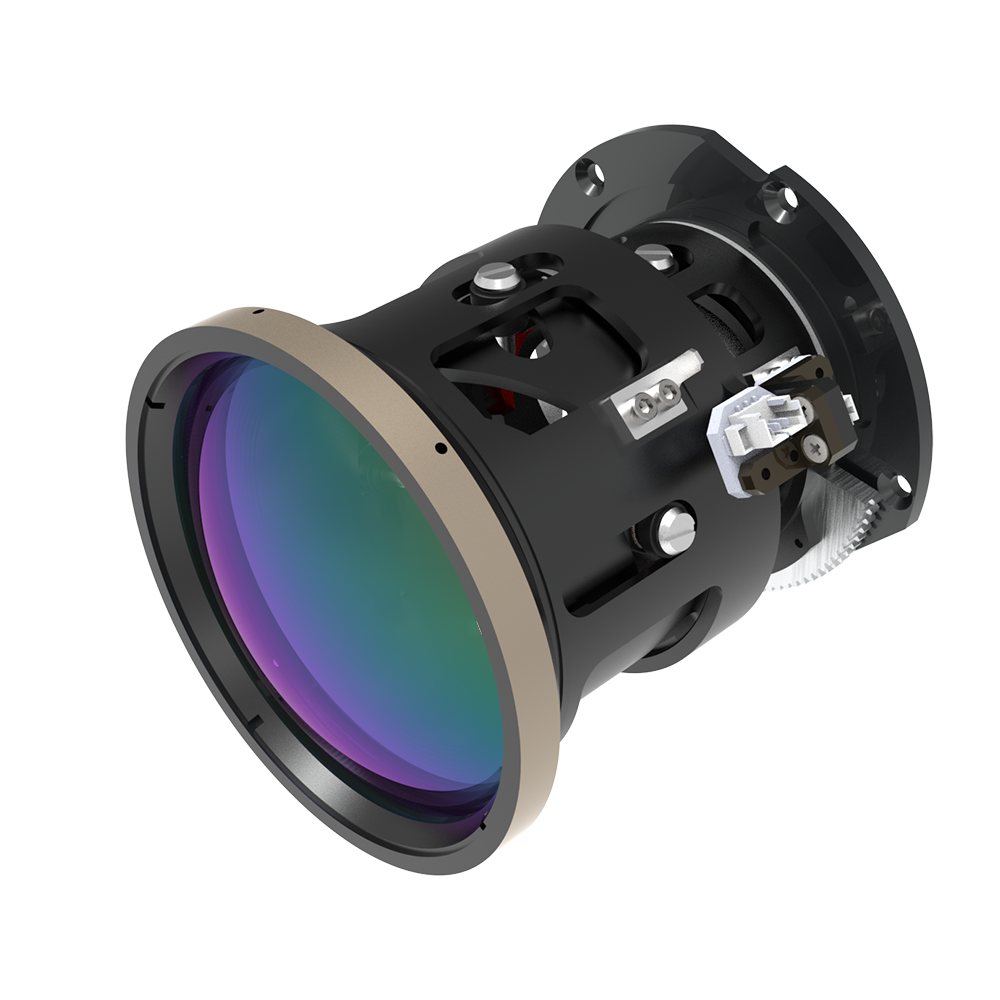
One of the key considerations when working with infrared lenses is the choice of materials. Common materials used in the manufacturing of infrared lenses include Germanium and Silicon, both of which possess excellent infrared transmission properties. These materials not only allow for effective wavelength transmission but also maintain durability and resistance to environmental factors, ensuring reliable operation in demanding conditions.
The design of infrared lenses can vary significantly depending on their intended application. For instance, some lenses are designed for focusing infrared beams in thermal imaging systems, while others might be optimized for imaging applications in scientific research. When selecting an infrared lens, professionals must consider factors such as focal length, diameter, and the required field of view to ensure alignment with their specific application needs.
Infrared lenses also play a vital role in enhancing the performance of infrared cameras and sensors. By effectively focusing infrared radiation, these lenses improve image clarity and detail, making them essential for applications such as night vision and heat detection. Additionally, they can be layered with anti-reflective coatings to minimize light loss and enhance overall efficiency.
Furthermore, the integration of infrared lenses into an optical system requires careful alignment and calibration. Misalignment can lead to significant losses in image quality and measurement accuracy. Therefore, professionals must ensure that all components of the optical system are properly fitted and calibrated, which often involves advanced techniques and tools.
In summary, infrared lenses are a critical component in the realm of optical instruments, offering unique advantages for a wide range of applications. By understanding their materials, design, and integration requirements, professionals can leverage the capabilities of infrared lenses to enhance their systems and achieve superior performance in their respective fields. Whether in industrial applications or scientific research, mastery of infrared technology can lead to innovative solutions and improved outcomes.
Previous Page:
Contact Us
EMAIL: Guojin@settall.com
No. 8, 14th Building, Zone 7, Headquarters Base, West Outer Ring Road, Fengtai District, Beijing
Contact
EMAIL: Guojin@settall.com
No. 8, 14th Building, Zone 7, Headquarters Base, West Outer Ring Road, Fengtai District, Beijing