
-
-
Nuclear radiation imaging Solution
-
Handheld gas nuclear radiation All-in-one solution
-
SETTALL low-altitude defense System solutions
-
Portable green laser bird repellent System solutions
-
Low-light aiming scope Solution
-
Multifunctional rapid screening instrument for drug abuse Solution
-
Photovoltaic and wind power complementary wireless monitoring System solutions
-
Road vehicle overheating warning System solutions
-
Laser-based bird deterrent system System solutions
-
Bird detection, monitoring, and dispersal System solutions
-
Mountain maintenance monitoring System solutions
-
New generation of coastal defense Solution
Solution
-
-
-
-
-
Return
Top Applications of Thermal Imaging Modules in Various Industries
Dec 19,2025
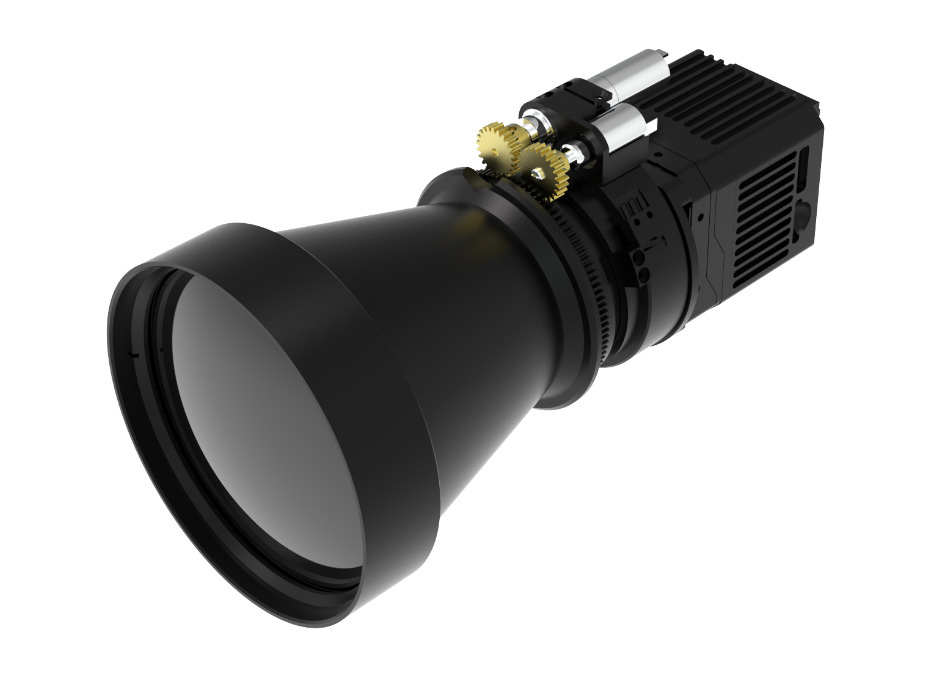
Top Applications of Thermal Imaging Modules in Various Industries
Introduction to Thermal Imaging Technology
Thermal imaging modules are remarkable devices that capture and visualize infrared radiation emitted by objects. Unlike traditional imaging methods that rely on visible light, thermal imaging enables us to see temperature differences, making it invaluable across various sectors. This technology has evolved significantly, offering precision and reliability in applications ranging from medical diagnostics to industrial monitoring.
The Importance of Thermal Imaging in Modern Industries
The adoption of thermal imaging technology is rapidly increasing due to its myriad benefits. The ability to detect and visualize heat patterns provides organizations with critical insights that enhance decision-making processes, improve safety, and increase efficiency. As industries seek advanced solutions to meet modern challenges, thermal imaging emerges as a frontrunner.
Applications of Thermal Imaging in Healthcare
In the healthcare sector, thermal imaging modules have become indispensable tools for non-invasive diagnostics. Their ability to detect temperature variations helps in identifying issues such as inflammation, infections, and even tumors.
Early Detection of Medical Conditions
Thermal imaging allows practitioners to monitor patients for symptoms that may not be visible during a standard examination. For example, increased temperatures in specific areas can indicate infections or inflammation. This early detection capability enables timely intervention and improves patient outcomes.
Monitoring Patient Vital Signs
Healthcare providers utilize thermal imaging to monitor patient vitals, particularly in critical care settings. By observing temperature changes in real-time, doctors can identify potential complications and respond proactively.
Thermal Imaging in Security and Surveillance
The security sector has embraced thermal imaging technology for its effectiveness in detecting intruders, especially in low-light conditions.
Enhanced Night Vision Capabilities
Thermal imaging modules provide superior night vision, allowing security personnel to monitor premises effectively, regardless of lighting conditions. This capability vastly improves situational awareness and response times during security breaches.
Integration with Surveillance Systems
Many modern surveillance systems now integrate thermal imaging technology, enabling seamless monitoring and detection. This integration enhances overall security, providing businesses and individuals with peace of mind.
Industrial Applications of Thermal Imaging
Industries such as manufacturing and maintenance leverage thermal imaging for predictive maintenance and equipment monitoring.
Predictive Maintenance and Equipment Monitoring
Thermal imaging modules enable maintenance teams to identify overheating components and electrical faults before they lead to catastrophic failures. By incorporating thermal imaging into routine inspections, industries can significantly reduce downtime and maintenance costs.
Quality Control in Manufacturing
In manufacturing, thermal imaging is utilized to ensure product quality. By monitoring thermal profiles during production processes, manufacturers can identify deviations that may affect product integrity, thus ensuring compliance with quality standards.
The Role of Thermal Imaging in Building Inspections
Thermal imaging is a game-changer in the field of building inspections. Inspectors use thermal imaging modules to identify thermal leaks, moisture intrusion, and insulation deficiencies.
Energy Audits and Efficiency Evaluations
With rising energy costs, building owners are increasingly interested in energy efficiency. Thermal imaging helps pinpoint areas where heat loss occurs, enabling targeted improvements that enhance energy efficiency.
Moisture Detection and Prevention
Thermal imaging can also detect hidden moisture intrusion in walls and ceilings, helping prevent mold growth and structural damage. By addressing these issues early, building owners save significant repair costs.
Thermal Imaging in Firefighting Operations
Firefighters depend on thermal imaging to locate hotspots and trapped individuals in smoke-filled environments.
Searching for Victims
Thermal imaging cameras allow firefighters to see through smoke and darkness, enabling them to locate victims and assess fire conditions quickly. This technology enhances rescue operations and ensures firefighter safety.
Identifying Hotspots
After extinguishing a fire, thermal imaging helps locate hidden hotspots that could reignite, ensuring comprehensive firefighting efforts.
Applications in Agriculture and Livestock Management
Thermal imaging technology is making waves in agriculture, providing farmers with insights to optimize crop production and livestock health.
Crop Monitoring and Disease Detection
Farmers utilize thermal imaging to monitor crop health by assessing plant temperature variations. This data helps detect stress caused by pests or diseases, allowing for timely interventions.
Livestock Health Monitoring
In livestock management, thermal imaging helps monitor animal health by detecting fevers or infections. By ensuring the well-being of livestock, farmers can improve productivity and reduce losses.
Future Trends in Thermal Imaging Technology
As technology continues to advance, thermal imaging modules are expected to become even more sophisticated. Future trends include enhanced image resolution, integration with artificial intelligence for improved analysis, and the miniaturization of devices, making them more accessible across various sectors.
Integration with Artificial Intelligence
The combination of thermal imaging and AI technologies will enable more accurate data interpretation, leading to faster and more effective decision-making processes.
Miniaturization and Increased Accessibility
As thermal imaging technology becomes more compact and affordable, we can expect wider adoption across industries, including small businesses and individual users.
Frequently Asked Questions (FAQs)
1. What is thermal imaging technology?
Thermal imaging technology captures infrared radiation emitted by objects, allowing visualization of temperature differences, which can be used for various applications across multiple industries.
2. How does thermal imaging benefit the healthcare sector?
In healthcare, thermal imaging aids in the early detection of medical conditions, monitoring patient vitals, and providing non-invasive diagnostics.
3. Can thermal imaging be used in construction and building inspections?
Yes, thermal imaging is used in building inspections to identify thermal leaks, moisture intrusion, and insulation deficiencies, enhancing energy efficiency and preventing damage.
4. How is thermal imaging used in firefighting?
Firefighters use thermal imaging to see through smoke, locate victims, and identify hotspots, thereby improving rescue operations and ensuring safety.
5. What are the future trends for thermal imaging technology?
Future trends include advancements in image resolution, integration with artificial intelligence for better data analysis, and miniaturization for increased accessibility.
Conclusion
Thermal imaging modules are revolutionizing various industries by providing critical insights that enhance operational efficiency, safety, and quality control. From healthcare to security and agriculture, the applications of thermal imaging are vast and continually expanding. As technology advances, we anticipate even broader use of thermal imaging, driving innovation and improving outcomes across sectors. Understanding and leveraging this powerful technology will be essential for businesses aiming to maintain a competitive edge in the future.
Previous Page:
Contact Us
EMAIL: Guojin@settall.com
No. 8, 14th Building, Zone 7, Headquarters Base, West Outer Ring Road, Fengtai District, Beijing
Contact
EMAIL: Guojin@settall.com
No. 8, 14th Building, Zone 7, Headquarters Base, West Outer Ring Road, Fengtai District, Beijing