
-
-
Bird Detection, Monitoring, and Deterrence System Solution
-
Portable Green Laser Bird-Repellent System Solution
-
Solution for Road Vehicle Overtemperature Warning System
-
SETTALL Low-Altitude Defense System Solution
-
Touchscreen Electronic Sandbox Solution
-
Ballistic tracking radar system solution
-
Multi-Functional Rapid Screening and Elimination Device Solution for Poisoned Individuals
-
Handheld Integrated Gas and Nuclear Radiation Detection Solution
-
Nuclear Radiation Imaging Solutions
-
-
Mountain Conservation and Monitoring System Solution
-
Super Video Investigation Individual Soldier System Solution
Solution
-
-
-
-
-
-
Infrared lens
Current model: SSK-HWTJ
Retail price
Market price
Remaining inventory
隐藏域元素占位
1. Germanium ( Germanium, Ge )
Overview
Germanium is a high-refractive-index infrared optical material, widely used in the mid-infrared range ( 3–5 µm ) and far infrared ( 8–12 µm ) Optical systems are widely used, particularly in infrared thermal imaging, surveillance, pyrometers, and military optical equipment.
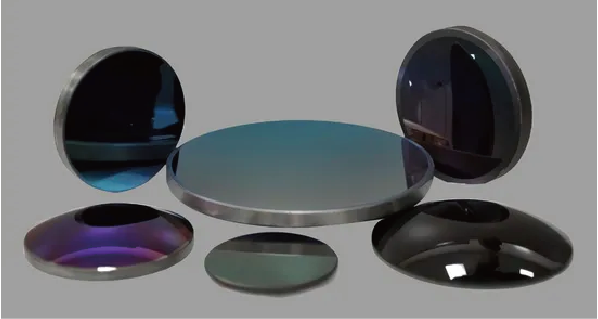
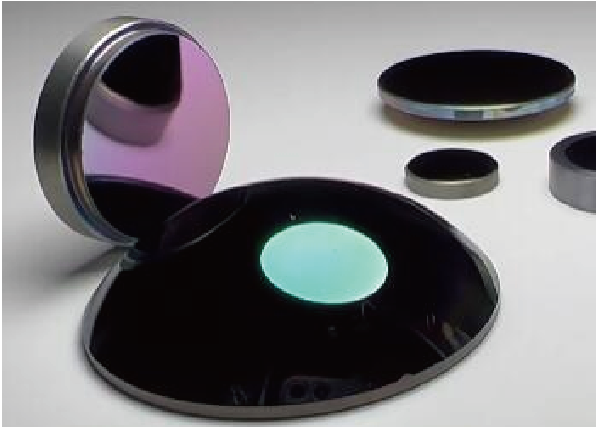
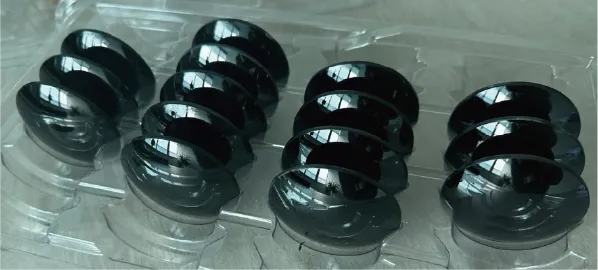
Key Features
Band range: 2–14 µm , covering the mid- to far-infrared range
Refractive index: n≈4.0 ( @10 µm ), the imaging system is designed to be compact.
Transmittance: High transmittance, coated AR The membrane can reach >98%
Thermal properties: Low thermal expansion ( 6.1×10 ⁻⁶ / ° C ), low temperature drift
Density: relatively high ( 5.33 g/cm³ ), the weight is somewhat heavy
Advantages
High transmittance in the infrared band.
Good thermal stability, with stable imaging under temperature variations.
The machining accuracy can reach λ/10
Disadvantages
Opaque to visible light ( <2 µm )
High density, weight‑limited miniaturized devices
Under high temperatures, the transmittance will decrease significantly (exceeding 100°C There will be performance degradation.)
Typical Applications
Infrared thermal imaging lenses, seeker lenses, laser rangefinder receivers, and surveillance thermal imaging systems
Parameter Introduction Table
Parameter Category
|
Numerical value / Scope
|
Explanation
|
Operating band
|
2 – 14 µm |
Both mid- and far-infrared are acceptable.
|
Refractive index
|
4.003 @10 µm |
High refractive index, compact design
|
Transmittance
|
≥95% (Uncoated) / ≥98% ( AR Coating)
|
High infrared transmittance
|
Density
|
5.33 g/cm³ |
Relatively heavy
|
Coefficient of thermal expansion
|
6.1×10 ⁻⁶ / ° C |
Good thermal stability
|
Thermal conductivity
|
60 W/(m·K) |
Strong thermal conductivity
|
Mohs hardness
|
6.0
|
Medium hardness
|
Diameter machining range
|
Ø5 mm – Ø200 mm |
Spherical surface / Aspheric
|
Thickness machining range
|
1 mm – 25 mm |
Aperture and design requirements
|
Surface accuracy
|
λ/4 – λ/10 @632.8 nm |
Interference detection accuracy
|
Surface roughness
|
Ra ≤ 5 nm |
High-quality polishing
|
Coating type
|
Single band AR , multi-band AR 、 DLC |
Enhance transmittance and protection
|
Temperature resistance range
|
-60°C ~ +100°C |
Transmittance decreases at high temperatures.
|
2. Chalcogenide glass ( Chalcogenide Glass )
Overview
Chalcogenide glasses are a class of materials based on sulfur ( S ), selenium ( Se ), tellurium ( Te ) infrared optical glass whose main component is, for example, AMTIR-1 、 IRG Series. Its refractive index and transmittance fall between those of germanium and silicon, and it can be processed using low-cost forming techniques such as casting and molding, making it well suited for the mass production of aspheric infrared lenses.
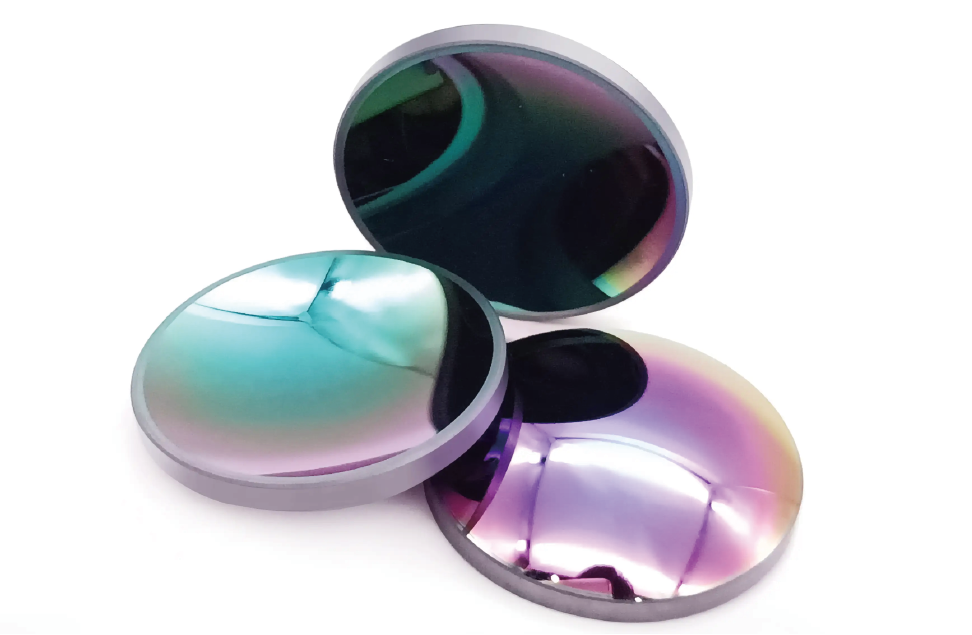
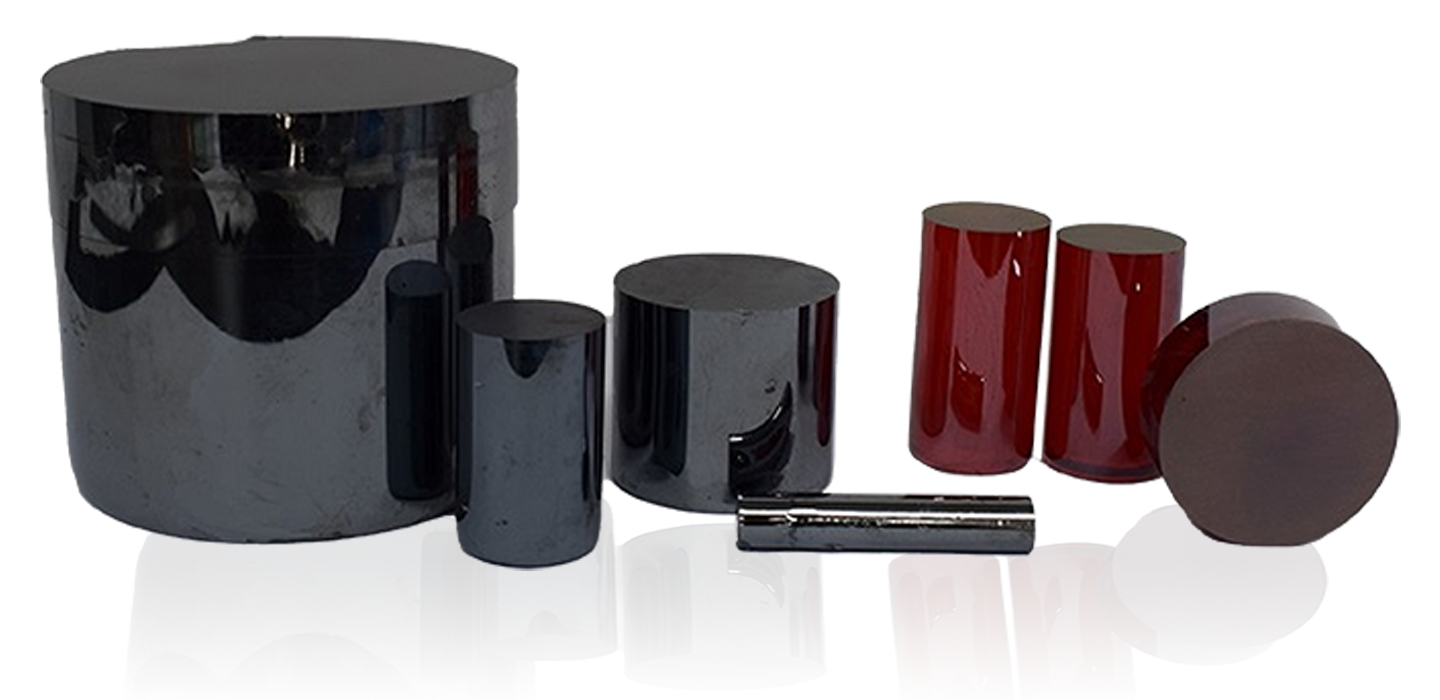
Key Features
Band range: 0.8–12 µm
Refractive index: n≈2.4 ( @10 µm )
Transmittance: High transmittance, particularly well suited for mid- and long-wave infrared.
Density: approximately 4.5 g/cm³ , moderate weight
Processability: Can be compression-molded, suitable for mass production of aspheric optics.
Advantages
Supports visible and infrared multi-band design.
Aspheric lenses can be manufactured in large quantities at low cost.
The material exhibits excellent homogeneity and stable optical performance.
Disadvantages
It has low mechanical strength and is not suitable for high-impact environments.
High coefficient of thermal expansion (approximately 18×10 ⁻⁶ / ° C )
Sensitive to acidic and alkaline environments, requiring a surface protective coating.
Typical Applications
Handheld infrared thermal imagers, infrared sights, vehicle-mounted thermal imaging cameras, and security thermal imaging systems.
Parameter Introduction Table
Parameter Category
|
Numerical value / Scope
|
Explanation
|
Operating band
|
0.8 – 12 µm |
Covered, visible in the longwave infrared.
|
Refractive index
|
~2.4 @10 µm |
Medium refractive index
|
Transmittance
|
≥95% (Uncoated) / ≥98% ( AR Coating)
|
Transmittance is stable.
|
Density
|
~4.5 g/cm³ |
Moderate weight
|
Coefficient of thermal expansion
|
18×10 ⁻⁶ / ° C |
High thermal expansion
|
Thermal conductivity
|
~0.9 W/(m·K) |
Lower
|
Mohs hardness
|
2.5 – 3.0 |
Softer
|
Diameter machining range
|
Ø5 mm – Ø150 mm |
Supports compression molding
|
Thickness machining range
|
1 mm – 20 mm |
Mass Production of Aspheric Surfaces
|
Surface accuracy
|
λ/4 – λ/8 @632.8 nm |
General precision
|
Surface roughness
|
Ra ≤ 10 nm |
Polished or molded surface
|
Coating type
|
AR , moisture-proof, scratch-resistant
|
Enhanced protective performance
|
Temperature resistance range
|
-60°C ~ +200°C |
Protective coatings can enhance
|
3. Silicon ( Silicon, Si )
Overview
Silicon is a lightweight, high-hardness infrared optical material, primarily used in… 1.2–8 µm Band (near-infrared to mid-infrared). With high mechanical strength and excellent thermal conductivity, it is well suited for use in high-temperature, high‑shock environments and is commonly employed in outdoor and military optical systems.
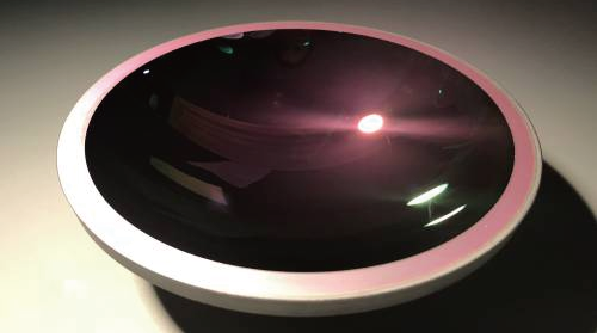
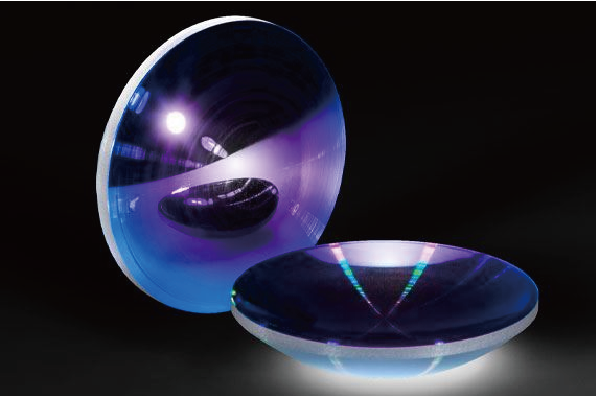
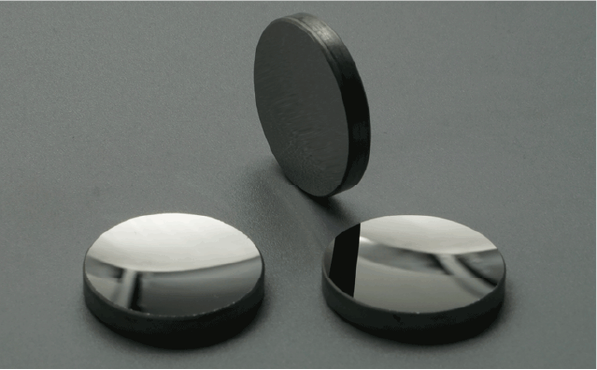
Key Features
Band range: 1.2–8 µm (Transmittance is optimal in the mid-wave infrared.)
Refractive index: n≈3.42 ( @4 µm )
Transmittance: High transmittance, especially in 3–5 µm Excellent band performance
Density: 2.33 g/cm³ , lightweight
Mechanical properties: High hardness (Mohs hardness 7 ), high thermal conductivity
Advantages
Lightweight, suitable for lightweight devices.
High strength and excellent scratch resistance.
High thermal conductivity and excellent high-temperature resistance (up to +600°C )
Disadvantages
Long-wave infrared ( >8 µm ) Transmittance decreases significantly.
Precision coating is required to enhance anti-reflective performance.
It has high machinability, and its processing cost is slightly higher than that of germanium.
Typical Applications
Infrared camera window, laser scanning system, infrared detector protective window, airborne / Shipborne Infrared System
Parameter Introduction Table
Parameter Category
|
Numerical value / Scope
|
Explanation
|
Operating band
|
1.2 – 8 µm |
Near-infrared / Best in the mid-infrared range
|
Refractive index
|
3.42 @4 µm |
Medium to high refractive index
|
Transmittance
|
≥90% (Uncoated) / ≥97% ( AR Coating)
|
Mid-wave infrared performs best.
|
Density
|
2.33 g/cm³ |
Lightweight materials
|
Coefficient of thermal expansion
|
2.6×10 ⁻⁶ / ° C |
Extremely low, with minimal temperature drift.
|
Thermal conductivity
|
150 W/(m·K) |
Excellent thermal conductivity
|
Mohs hardness
|
7.0
|
High hardness
|
Diameter machining range
|
Ø5 mm – Ø200 mm |
Spherical surface / Aspheric
|
Thickness machining range
|
1 mm – 25 mm |
Depending on the optometric design
|
Surface accuracy
|
λ/4 – λ/10 @632.8 nm |
High-precision detection
|
Surface roughness
|
Ra ≤ 5 nm |
High-polish quality
|
Coating type
|
AR , multi-band AR 、 DLC |
Scratch Resistance and Protection
|
Temperature resistance range
|
-60°C ~ +600°C |
Suitable for high-temperature environments
|
Standard Package Contents
Content update in progress,...
Upon unpacking and use, the standard package includes the above accessories.
Inquiry about this product?
Obtain relevant technical support
Quick Contact
Quick contact
sales@settall.com
13001168699
Download Materials
Data download
Related Videos
Related Videos
Contact
EMAIL:Guojin@settall.com
8th Floor, Building 14, Zone 7, Headquarters Base, West Outer Ring Road, Fengtai District, Beijing