
-
-
Bird Detection, Monitoring, and Deterrence System Solution
-
Portable Green Laser Bird-Repellent System Solution
-
Solution for Road Vehicle Overtemperature Warning System
-
SETTALL Low-Altitude Defense System Solution
-
Touchscreen Electronic Sandbox Solution
-
Ballistic tracking radar system solution
-
Multi-Functional Rapid Screening and Elimination Device Solution for Poisoned Individuals
-
Handheld Integrated Gas and Nuclear Radiation Detection Solution
-
Nuclear Radiation Imaging Solutions
-
-
Mountain Conservation and Monitoring System Solution
-
Super Video Investigation Individual Soldier System Solution
Solution
-
-
-
-
-
-
News and Information

2026/06/10
The danger of hazardous chemical leaks and radioactive contamination lies not in how frightening they may appear, but in the fact that many risks are entirely invisible at first. The value of the SSK/NW-PWT handheld integrated gas and radiation detector is to perform simultaneous gas and radiation measurements on-site, enabling personnel to determine whether it is safe to enter, whether evacuation is necessary, or whether protective measures need to be upgraded. For emergency response and hazardous‑chemical safety management, such devices are not mere marketing gimmicks; they are essential tools that help on‑site personnel avoid blindly entering hazardous areas.

2026/06/09
The reason why the multispectral infrared high-definition pan‑tilt unit is like an “electronic sentinel” is that it addresses not just imaging at a single moment in time, but rather the challenges of all‑weather, continuous, long‑range front‑end surveillance. For open areas, critical facilities, and complex environments, such equipment can significantly enhance nighttime monitoring and anomaly detection capabilities, bringing the system closer to true 24/7 surveillance.
2026/06/09
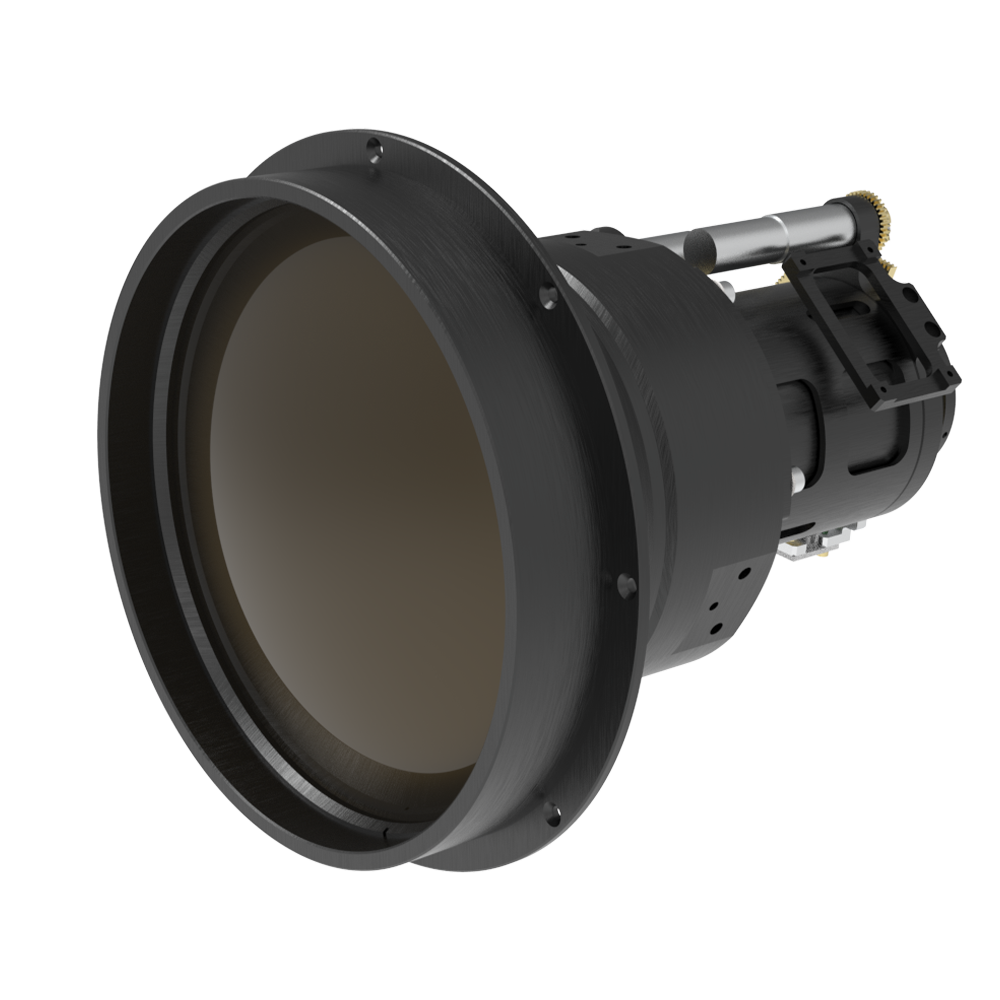
Choosing Between Fixed and Variable Infrared Lenses: A Comprehensive Guide
Choosing Between Fixed and Variable Infrared Lenses: A Comprehensive Guide Table of Contents 1. Understanding Infrared Lenses 2. The Importance of Infrared Technology 3. Fixed Infrared Lenses: Features and Benefits 4. Variable Infrared Lenses: Features and Benefits 5. Applications of Infrared Lenses in Different Industries 6. Key Factors to Consider When Choosing Lenses 7. Performan

2026/06/08
Orchard bird‑damage control cannot rely indefinitely on scarecrows and manual deterrents. The remote‑controlled laser bird‑deterrent turntable offers advantages such as remote operation, quiet operation, directional targeting, cruise capability, and path‑following—making it well suited for open areas like orchards, farms, water bodies, solar‑energy installations, and industrial parks. Rather than harming birds, it employs dynamic laser scanning to encourage them to voluntarily leave the protected zone. For long‑term bird‑damage management, this approach aligns more closely with modern, systematic, proactive prevention strategies.

2026/06/05
Grass, darkness, and complex backgrounds are precisely the scenarios where a thermal‑imaging rangefinding night vision device excels. It does not rely on ambient light; instead, it detects targets by exploiting temperature differences. Once a target is identified, it can also measure distance, provide magnification, record video, and transmit data wirelessly. For nighttime patrols, forest‑area searches, field observations, and emergency inspections, the practical value of a handheld monocular thermal‑imaging rangefinding night vision device goes far beyond simply “seeing through the dark”; more importantly, it enables faster, more accurate, and more reliably documented on‑site decision‑making.
Contact
EMAIL:Guojin@settall.com
8th Floor, Building 14, Zone 7, Headquarters Base, West Outer Ring Road, Fengtai District, Beijing