
-
-
Bird Detection, Monitoring, and Deterrence System Solution
-
Portable Green Laser Bird-Repellent System Solution
-
Solution for Road Vehicle Overtemperature Warning System
-
SETTALL Low-Altitude Defense System Solution
-
Touchscreen Electronic Sandbox Solution
-
Ballistic tracking radar system solution
-
Multi-Functional Rapid Screening and Elimination Device Solution for Poisoned Individuals
-
Handheld Integrated Gas and Nuclear Radiation Detection Solution
-
Nuclear Radiation Imaging Solutions
-
-
Mountain Conservation and Monitoring System Solution
-
Super Video Investigation Individual Soldier System Solution
Solution
-
-
-
-
-
-
News and Information

2026/05/06
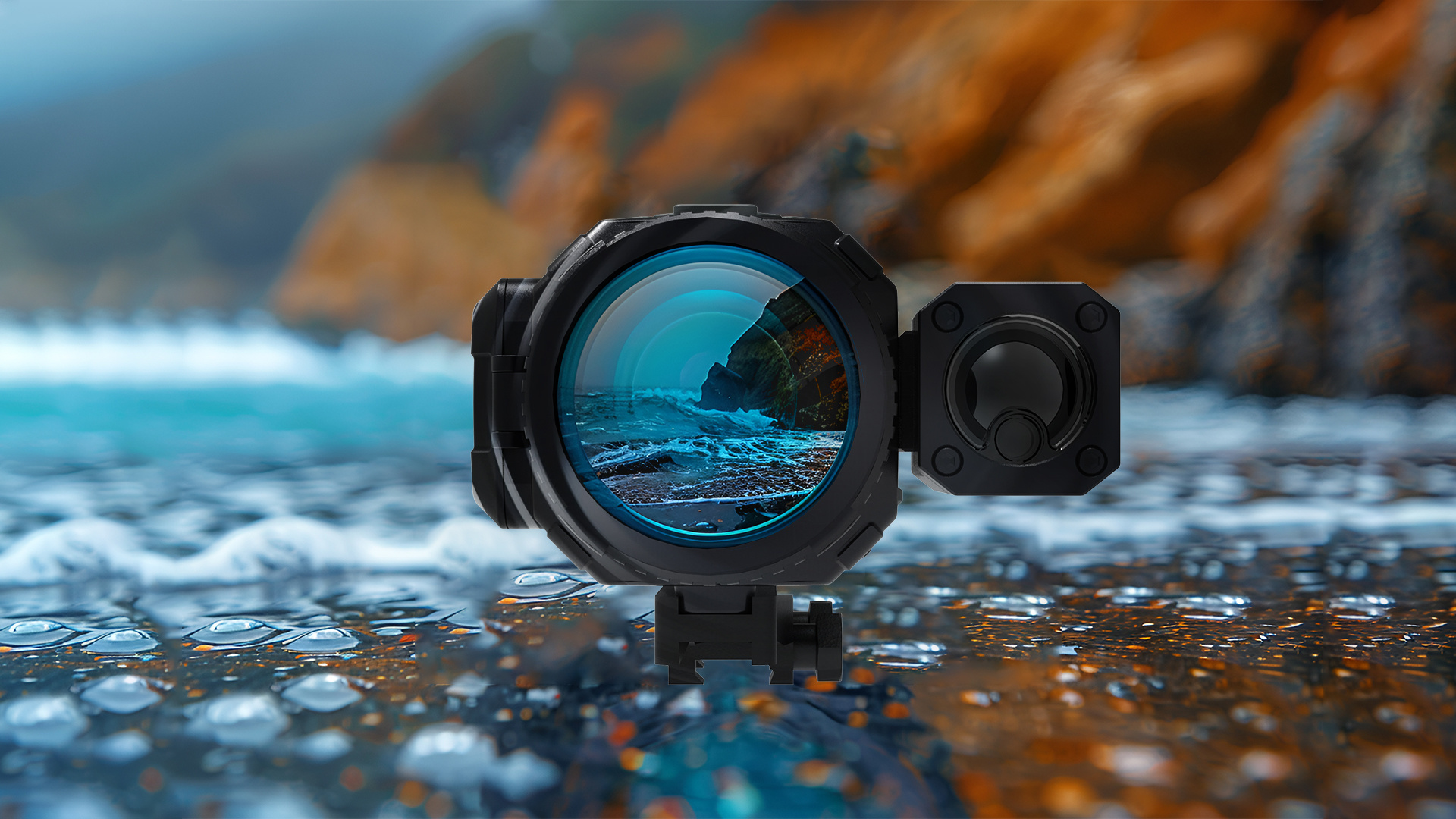
When choosing a monocular thermal‑imaging night vision device, don’t focus solely on price or how far it can see. A more sensible selection process starts with assessing your intended use case, followed by evaluating the detector specifications, lens focal length, ranging capability, display quality, electronic zoom, video recording and transmission features, protection rating, and battery life and weight.

2026/05/06
The Application Value of Monocular Thermal Imaging Night Vision Devices in Nighttime Patrols
The core value of a monocular thermal‑imaging night vision device lies in its ability to help patrol personnel quickly detect targets in nighttime, low‑light, and complex environments. For handheld monocular thermal‑imaging binoculars, features such as thermal detection, laser rangefinding, electronic zoom, photo and video recording, wireless transmission, and a portable design determine their practicality across applications including nighttime patrols, campus security, forest‑area monitoring, border‑perimeter surveillance, and emergency search operations.

2026/04/30
Applications and Prospects of Laser Night-Vision Technology
With the advancement of modern technology, laser night‑vision technology has found widespread application across numerous fields. In particular, in security surveillance, military operations, and emergency rescue, laser night‑vision devices can deliver high‑quality imagery in complete darkness, thereby enhancing operational efficiency during nighttime. This paper examines the current state of laser night‑vision applications, its technical characteristics, and its future development prospects.

2026/04/30
A Guide to Selecting Laser Dual-Band and Laser Triple-Band Night Vision Devices
The application of laser night‑vision technology in modern security surveillance, military defense, and emergency rescue is becoming increasingly widespread and critical. Particularly in complex low‑light environments or adverse weather conditions, selecting the appropriate night‑vision equipment is essential for enhancing observational performance and operational efficiency. Laser‑based dual‑band and triple‑band night‑vision systems differ significantly in their technical characteristics; understanding their respective features and suitable use cases enables users to make more cost‑effective decisions in practical applications. This article provides a detailed comparison of these two types of devices and offers guidance on how to choose the right solution.

2026/04/29
Nuclear radiation detection goes beyond simply determining “whether radiation is present.” In nuclear safety inspections, radiation‑environment monitoring, nuclear emergency response, and the screening of special sites, it is even more critical to rapidly identify the approximate location, spatial extent, and level of risk associated with radiation anomalies. Nuclear radiation imaging systems, by integrating detection with visualization, can transform invisible radiation hazards into more intuitive visual information, providing valuable guidance for on‑site assessments, area‑wide evaluations, and subsequent remediation efforts.
Contact
EMAIL:Guojin@settall.com
8th Floor, Building 14, Zone 7, Headquarters Base, West Outer Ring Road, Fengtai District, Beijing