
-
-
Bird Detection, Monitoring, and Deterrence System Solution
-
Portable Green Laser Bird-Repellent System Solution
-
Solution for Road Vehicle Overtemperature Warning System
-
SETTALL Low-Altitude Defense System Solution
-
Touchscreen Electronic Sandbox Solution
-
Ballistic tracking radar system solution
-
Multi-Functional Rapid Screening and Elimination Device Solution for Poisoned Individuals
-
Handheld Integrated Gas and Nuclear Radiation Detection Solution
-
Nuclear Radiation Imaging Solutions
-
-
Mountain Conservation and Monitoring System Solution
-
Super Video Investigation Individual Soldier System Solution
Solution
-
-
-
-
-
-
News and Information

2026/05/11
Traditional bird‑deterrence methods are becoming increasingly ineffective, primarily because they struggle to address the entire workflow—detection, identification, risk assessment, dispersal, and evaluation. The avian‑hazard detection, monitoring, and dispersal system leverages bird‑radar, optoelectronic identification, platform analytics, and multi‑device integration to elevate bird‑control from isolated, point‑based deterrents to a systematic management approach, making it ideally suited for long‑term deployment at airports, power facilities, and critical low‑altitude protection sites.

2026/05/11
The core of a bird‑situation detection, monitoring, and deterrence system lies not merely in installing bird‑deterrent devices, but in establishing a closed‑loop framework that encompasses detection, identification, assessment, deterrence, and data analysis. The Sosker Bird‑Situation Detection, Monitoring, and Deterrence System integrates bird‑radar sensors, dual‑spectral cooled thermal‑imaging pan‑tilt units, an intelligent analytics platform, and a variety of bird‑deterrent technologies to help airports and other critical low‑altitude protection sites enhance the proactivity, precision, and sustainability of their bird‑hazard management.

2026/05/09
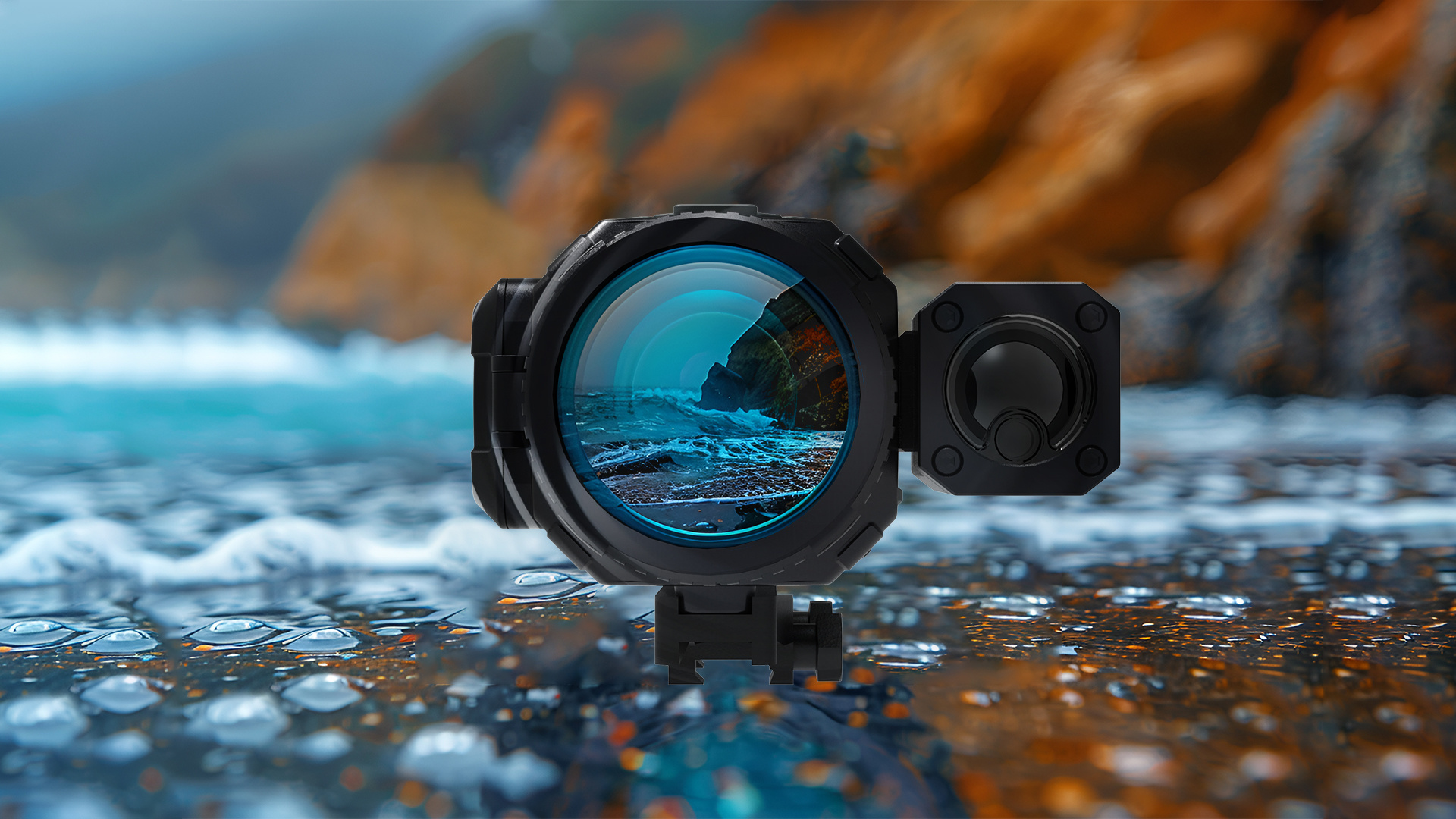
When purchasing a monocular helmet‑mounted night vision device, don’t focus solely on its night‑vision range or a single specification. Much more important are whether it supports helmet integration, offers multiple imaging modes, is portable and easy to use, and is well suited for mobile observation by frontline personnel. For nighttime patrols, border surveillance, coastal patrols, and ad‑hoc search missions, a multifunctional monocular helmet‑mounted night vision device is a highly practical individual‑use night‑vision solution.

2026/05/09
The core value of the monocular helmet‑mounted multifunctional night vision device lies in integrating nighttime observation capabilities with individual soldier mobility missions. It not only meets the demands of low‑light environments but also enhances the efficiency of nighttime patrols, searches, and on‑site decision‑making through helmet‑mounted connectivity, handheld operation, multi‑mode display, and attitude‑information assistance.
2026/05/16
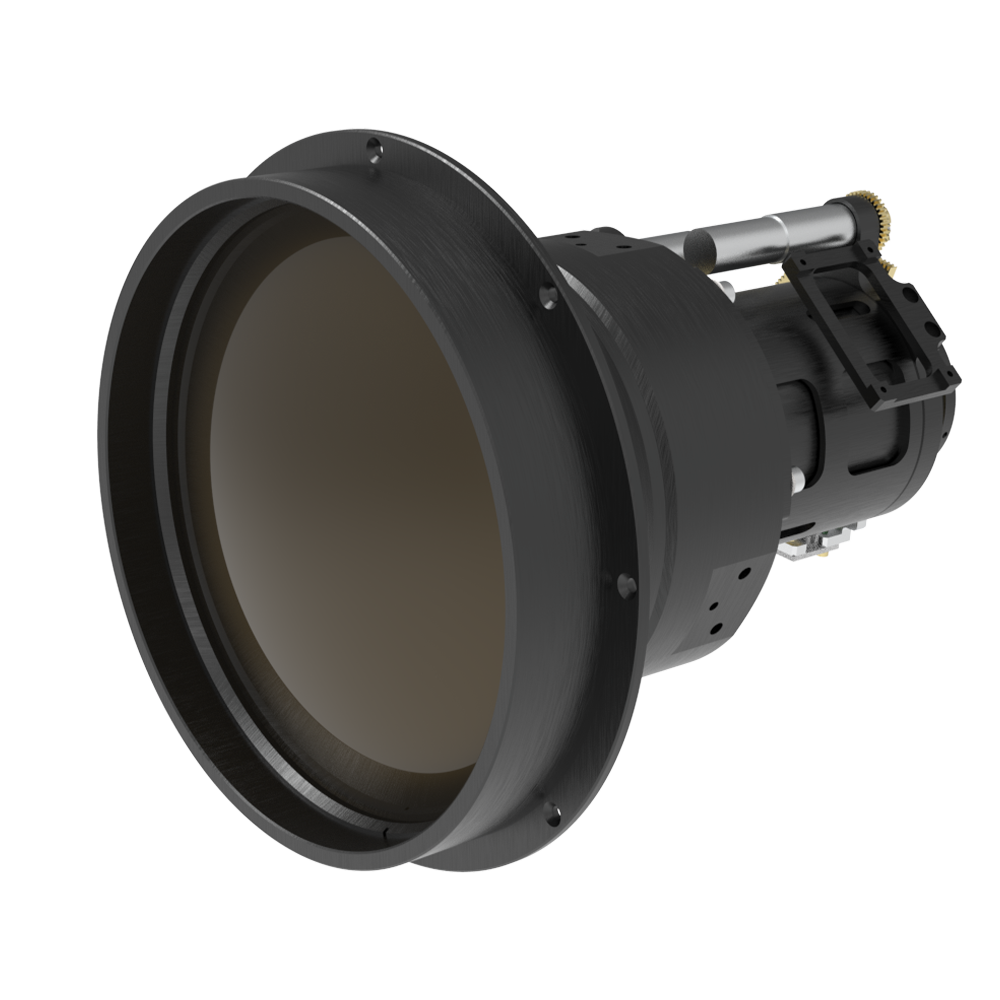
Infrared Lenses vs. Traditional Lenses: Key Differences Explained
Infrared Lenses vs. Traditional Lenses: Key Differences Explained Table of Contents 1. Introduction to Infrared and Traditional Lenses 2. Understanding the Basics of Optics 3. What are Infrared Lenses? 4. What are Traditional Lenses? 5. Key Differences Between Infrared Lenses and Traditional Lenses 5.1 Material Composition 5.2 Wavelength Absorp
Contact
EMAIL:Guojin@settall.com
8th Floor, Building 14, Zone 7, Headquarters Base, West Outer Ring Road, Fengtai District, Beijing