
-
-
Bird Detection, Monitoring, and Deterrence System Solution
-
Portable Green Laser Bird-Repellent System Solution
-
Solution for Road Vehicle Overtemperature Warning System
-
SETTALL Low-Altitude Defense System Solution
-
Touchscreen Electronic Sandbox Solution
-
Ballistic tracking radar system solution
-
Multi-Functional Rapid Screening and Elimination Device Solution for Poisoned Individuals
-
Handheld Integrated Gas and Nuclear Radiation Detection Solution
-
Nuclear Radiation Imaging Solutions
-
-
Mountain Conservation and Monitoring System Solution
-
Super Video Investigation Individual Soldier System Solution
Solution
-
-
-
-
-
-
Return
What You Need to Know About Laser Night Vision for Your Next Adventure
May 10,2026
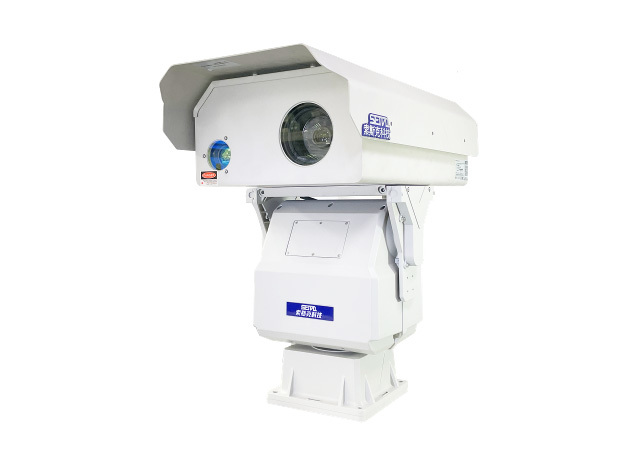
What You Need to Know About Laser Night Vision for Your Next Adventure
Introduction to Laser Night Vision Technology
In recent years, **laser night vision** technology has revolutionized the way we engage with the outdoors after dark. Whether you're a hunter, camper, or simply a nocturnal enthusiast, understanding **laser night vision** can significantly enhance your adventures. This comprehensive guide delves into the intricacies of this technology, its advantages, applications, and how to choose the right device for your needs.
Understanding Laser Night Vision: How It Works
Laser night vision systems utilize **infrared light** to illuminate the surroundings, allowing the user to see in complete darkness. Unlike traditional night vision devices, which amplify ambient light, laser night vision systems project a specific wavelength of light, often in the infrared spectrum, making them highly effective in low-light conditions.
The Science Behind Night Vision
To grasp the effectiveness of laser night vision, it’s essential to understand the fundamental principles behind night vision technology. This involves:
- **Photon Detection**: Night vision devices capture photons, or light particles, and convert them into an image. Traditional devices enhance available light, while laser night vision utilizes a laser source to illuminate the area.
- **Image Intensification**: The captured photons are intensified through a series of electronic processes, resulting in a clearer image.
Types of Laser Night Vision Devices
There are several types of laser night vision devices, each designed for specific applications:
1. **Goggles**: Ideal for hands-free operation, these are perfect for moving through rugged terrains.
2. **Monoculars**: Compact and lightweight, monoculars offer versatility for various activities, from wildlife observation to security surveillance.
3. **Binoculars**: For a more immersive experience, binoculars provide depth perception and are excellent for stargazing or observing distant objects.
4. **Riflescopes**: Specifically designed for hunting and tactical applications, these scopes enhance visibility while maintaining accuracy.
The Advantages of Using Laser Night Vision
Incorporating laser night vision into your outdoor gear brings numerous benefits that can greatly enhance your experience.
Clearer Visibility in Low Light
One of the most significant advantages of laser night vision is its ability to provide clearer visibility in low-light conditions. Unlike conventional night vision, which can be limited by environmental factors, laser systems maintain clarity, ensuring you can see your surroundings effectively.
Extended Range and Detection Capabilities
Laser night vision devices typically offer an extended range compared to traditional systems. This capability is crucial for applications such as hunting, where spotting game from a distance can make all the difference.
Durability and Reliability
Many laser night vision devices are built to withstand harsh conditions, making them reliable companions for outdoor adventures. Look for models that are weather-resistant and robustly constructed to ensure longevity.
Applications of Laser Night Vision
Laser night vision technology is not just for enthusiasts; it has a myriad of applications across different fields.
Hunting and Wildlife Observation
**Hunters** benefit greatly from laser night vision, as it allows for precise targeting in low-light situations. Furthermore, wildlife observers can catch glimpses of nocturnal creatures with minimal disturbance, preserving the natural behaviors of animals.
Search and Rescue Operations
In search and rescue scenarios, laser night vision can be invaluable. It provides visibility in dark or obscured environments, enabling rescuers to locate individuals quickly and efficiently.
Military and Tactical Use
Military operations often employ laser night vision for its strategic advantages. Enhanced visibility in darkness can mean the difference between success and failure in critical missions.
Choosing the Right Laser Night Vision Device
When selecting a laser night vision device, consider the following factors to ensure you choose the right one for your needs.
Magnification Power
Different activities require different magnification levels. For instance, birdwatching may need lower magnification compared to hunting, where distance and precision are crucial.
Field of View
A wider field of view allows for better situational awareness. This is particularly important for activities such as hiking or tracking game.
Battery Life and Power Source
Choose a device with a long battery life to avoid interruptions during your adventures. Some devices utilize rechargeable batteries, while others might use traditional battery types.
Weight and Portability
If you plan on carrying your laser night vision device for extended periods, consider its weight and size. Lightweight and compact models are easier to transport.
Maintenance and Care for Laser Night Vision Devices
To ensure the longevity and effectiveness of your laser night vision equipment, proper maintenance is essential.
Cleaning the Lenses
Use a microfiber cloth to gently clean the lenses. Avoid harsh chemicals that might damage the coating.
Storage Recommendations
Store your device in a dry, cool place when not in use. Consider using a protective case to avoid scratches and impacts.
Regular Calibration
Regularly calibrate your device to maintain accuracy. Refer to the manufacturer’s instructions for specific calibration procedures.
Laser Night Vision vs. Traditional Night Vision
Understanding the difference between laser night vision and traditional systems will help you make an informed choice.
Light Sensitivity
Traditional night vision relies on available light, which can be limiting in extremely dark conditions. Laser night vision, on the other hand, generates its own light, providing superior visibility.
Cost Comparison
While laser night vision devices tend to be more expensive upfront, their advanced technology often results in better performance and longevity, making them a worthwhile investment.
Frequently Asked Questions (FAQs)
1. Can laser night vision be used during the day?
While some devices can function in daylight, it’s essential to check the manufacturer’s specifications. Most laser night vision systems are optimized for low-light conditions.
2. Are laser night vision devices waterproof?
Many models are designed to be water-resistant or waterproof, but always verify the specifications before using them in wet conditions.
3. How far can I see with laser night vision?
The effective range varies by model but generally ranges from several hundred meters to over a kilometer, depending on the specific device and conditions.
4. Is laser night vision safe for the eyes?
Most modern laser night vision devices are designed with safety in mind. However, it’s advisable to avoid direct exposure to the laser source.
5. Can I use laser night vision for photography?
Some laser night vision devices are compatible with cameras, enabling photography in low-light settings. Ensure you have the correct adapters for your camera model.
Conclusion
In conclusion, **laser night vision** technology opens up a world of possibilities for outdoor enthusiasts, hunters, and professionals alike. By understanding its workings, applications, and how to select the right device, you can enhance your nighttime adventures significantly. Whether you’re tracking wildlife, exploring the wilderness, or engaging in tactical operations, investing in quality laser night vision equipment will offer you unparalleled clarity and confidence in the dark. Ready to take on your next adventure? Equip yourself with the knowledge and tools necessary to explore the night like never before.
Contact Us
Tel:13001168699/13021219308
EMAIL:Guojin@settall.com
8th Floor, Building 14, Zone 7, Headquarters Base, West Outer Ring Road, Fengtai District, Beijing
Contact
EMAIL:Guojin@settall.com
8th Floor, Building 14, Zone 7, Headquarters Base, West Outer Ring Road, Fengtai District, Beijing