
-
-
Nuclear radiation imaging Solution
-
Handheld gas nuclear radiation All-in-one solution
-
SETTALL low-altitude defense System solutions
-
Portable green laser bird repellent System solutions
-
Low-light aiming scope Solution
-
Multifunctional rapid screening instrument for drug abuse Solution
-
Photovoltaic and wind power complementary wireless monitoring System solutions
-
Road vehicle overheating warning System solutions
-
Laser-based bird deterrent system System solutions
-
Bird detection, monitoring, and dispersal System solutions
-
Mountain maintenance monitoring System solutions
-
New generation of coastal defense Solution
Solution
-
-
-
-
-
Return
Maximizing Efficiency with Advanced Infrared Lens Designs: A Comprehensive Guide
Apr 20,2026
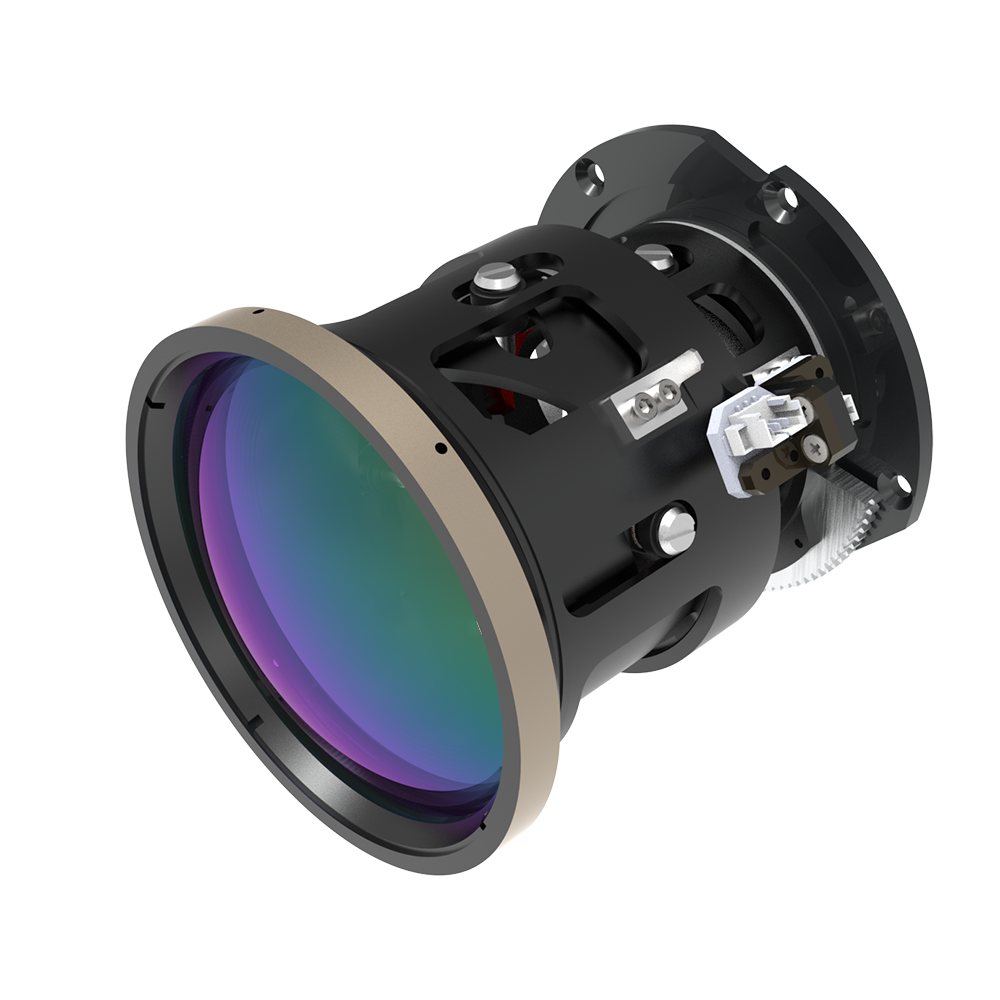
Maximizing Efficiency with Advanced Infrared Lens Designs
Introduction to Infrared Lens Technology
The field of infrared (IR) lens technology has seen significant advancements in recent years. As industries increasingly rely on infrared systems for applications ranging from thermal imaging to spectroscopy, the demand for high-performance lenses has surged. Our focus in this article is to explore the latest developments in **advanced infrared lens designs**, emphasizing their role in maximizing efficiency across various sectors.
The Importance of Efficiency in Infrared Applications
In applications such as surveillance, medical diagnostics, and industrial monitoring, efficiency plays a crucial role. An efficient infrared lens design can significantly enhance the performance of IR systems, leading to improved image quality, better sensitivity, and more accurate measurements. Understanding how these lenses can optimize infrared applications is essential for engineers and decision-makers.
Key Characteristics of Advanced Infrared Lenses
When assessing infrared lenses, several key characteristics contribute to their performance:
1. Material Composition
Modern infrared lenses are typically made from materials such as germanium, zinc selenide, and chalcogenide glass. Each of these materials has unique properties that make them suitable for specific infrared wavelengths. For instance, germanium is widely used for its excellent transmission in the long-wave infrared (LWIR) spectrum, while chalcogenide glass offers flexibility in design.
2. Optical Coatings
Optical coatings are critical for enhancing lens performance. Anti-reflective coatings reduce surface reflections, maximizing light transmission and image clarity. Advanced coatings also protect against environmental factors such as moisture and dirt, ensuring longevity and reliability.
3. Design and Geometry
The geometric configuration of infrared lenses affects their focal length, field of view, and aberration performance. Advanced designs incorporate aspheric elements and unique shapes to minimize optical aberrations, resulting in sharper images and more accurate data capture.
Applications of Advanced Infrared Lens Designs
The versatility of advanced infrared lenses makes them suitable for a variety of applications. Here are some notable examples:
1. Thermal Imaging
Thermal imaging cameras rely heavily on infrared lenses to detect and visualize thermal radiation. Advanced lens designs improve sensitivity and resolution, allowing these cameras to identify subtle temperature variations in industrial and security applications.
2. Medical Diagnostics
In the medical field, infrared imaging aids in diagnosing conditions such as tumors or circulatory issues. Advanced infrared lenses enhance imaging capabilities, enabling healthcare professionals to obtain clearer images for more accurate assessments.
3. Gas Detection
Infrared lenses play a vital role in gas detection technologies, which are essential for monitoring environmental safety and industrial processes. Efficient lens designs enhance the sensitivity of gas sensors, allowing for the rapid detection of harmful gases at low concentrations.
Maximizing Efficiency Through Innovative Designs
To maximize efficiency, manufacturers are focusing on innovative design approaches. Here are some notable strategies employed in advanced infrared lens designs:
1. Computational Lens Design
Computational design techniques leverage advanced algorithms to create lens shapes that minimize optical aberrations while optimizing light transmission. This approach allows for the creation of highly complex lens geometries that traditional manufacturing methods may not achieve.
2. Integration of Multi-Layer Coatings
By integrating multi-layer coatings, manufacturers can enhance lens performance across a broader range of wavelengths. These coatings significantly improve transmission rates and reduce reflectance, ensuring that more infrared light reaches the detector.
3. Customization for Specific Applications
One of the most significant trends in the infrared lens market is the customization of designs to meet specific application requirements. By tailoring lens properties—such as focal length and field of view—manufacturers can ensure that the lenses provide optimal performance in diverse settings.
Challenges in Advanced Infrared Lens Development
While the advancements in infrared lens technology are promising, several challenges remain:
1. Cost of Materials
The materials used in manufacturing high-performance infrared lenses can be expensive. The cost of materials such as germanium and specialized glasses can limit accessibility, especially for smaller manufacturers and startups.
2. Manufacturing Precision
The intricate designs of advanced infrared lenses require high-precision manufacturing processes. Any deviation in the production process can lead to significant performance issues, necessitating strict quality control measures.
3. Market Competition
As the demand for infrared technology grows, the market is becoming increasingly competitive. Manufacturers must continuously innovate and differentiate their products to stay relevant in this rapidly evolving landscape.
Future Trends in Infrared Lens Technology
Looking ahead, several trends are likely to shape the future of infrared lens technology:
1. Eco-Friendly Materials
As environmental awareness grows, there is a push toward developing eco-friendly materials for infrared lenses. Manufacturers are exploring sustainable alternatives that do not compromise performance while minimizing environmental impact.
2. Integration with Artificial Intelligence
The integration of artificial intelligence (AI) in infrared applications is set to revolutionize how these systems operate. Advanced lenses that can adapt based on AI inputs may enhance real-time imaging and analysis capabilities.
3. Expanded Use in Consumer Electronics
The use of infrared technology is expanding beyond traditional industries and into consumer electronics. As devices such as smartphones and home automation systems increasingly incorporate infrared sensors, the demand for efficient lenses will grow.
FAQs on Advanced Infrared Lens Designs
1. What are the primary materials used in infrared lenses?
The most common materials for infrared lenses include germanium, zinc selenide, and chalcogenide glass, each offering unique optical properties suited for different infrared wavelengths.
2. How do optical coatings enhance infrared lens performance?
Optical coatings reduce surface reflections, improving light transmission and image clarity while also providing protection against environmental factors.
3. What industries benefit from advanced infrared lens designs?
Industries such as medical diagnostics, thermal imaging, gas detection, and industrial monitoring benefit significantly from advancements in infrared lens technology.
4. How do computational design techniques improve infrared lenses?
Computational design techniques allow for the creation of complex lens geometries that minimize optical aberrations and optimize light transmission, resulting in enhanced performance.
5. What are the challenges faced in infrared lens manufacturing?
Challenges include the high cost of materials, the need for precision manufacturing processes, and increasing competition within the market.
Conclusion
In summary, advanced infrared lens designs are pivotal in maximizing efficiency across various applications. Through innovative materials, optical coatings, and computational design techniques, these lenses are transforming industries and driving technological advancement. As we look to the future, staying informed about emerging trends and addressing existing challenges will help manufacturers and end-users alike harness the full potential of infrared technology. Embracing these advancements will not only lead to improved performance but also foster innovation in countless fields, shaping the future of infrared applications.
Contact Us
EMAIL: Guojin@settall.com
No. 8, 14th Building, Zone 7, Headquarters Base, West Outer Ring Road, Fengtai District, Beijing
Contact
EMAIL: Guojin@settall.com
No. 8, 14th Building, Zone 7, Headquarters Base, West Outer Ring Road, Fengtai District, Beijing