
-
-
Nuclear radiation imaging Solution
-
Handheld gas nuclear radiation All-in-one solution
-
SETTALL low-altitude defense System solutions
-
Portable green laser bird repellent System solutions
-
Low-light aiming scope Solution
-
Multifunctional rapid screening instrument for drug abuse Solution
-
Photovoltaic and wind power complementary wireless monitoring System solutions
-
Road vehicle overheating warning System solutions
-
Laser-based bird deterrent system System solutions
-
Bird detection, monitoring, and dispersal System solutions
-
Mountain maintenance monitoring System solutions
-
New generation of coastal defense Solution
Solution
-
-
-
-
-
Return
The Fascinating World of Infrared Lenses: Understanding Their Importance and Applications
Nov 26,2025
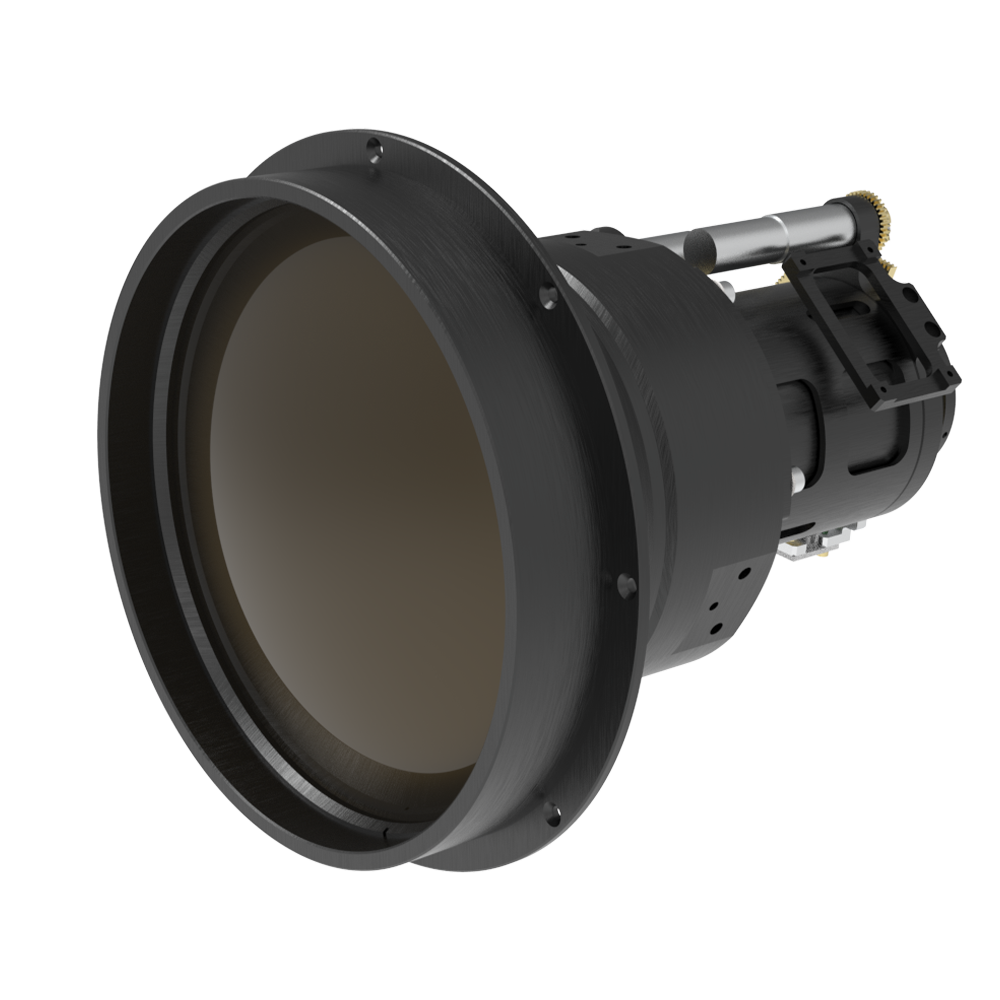
One of the most notable features of infrared lenses is their material composition. Common materials used for constructing these lenses include germanium, silicon, and chalcogenide glass. These materials possess specific properties that facilitate the transmission of infrared light while minimizing absorption and reflection. Consequently, the selection of the appropriate lens material is essential for optimizing performance in specific applications.
In thermography, for example, infrared lenses are utilized to detect temperature variations in objects by capturing the infrared radiation emitted from them. This technology is invaluable in industries such as construction, electrical maintenance, and medical diagnostics. Professionals in these fields depend on infrared lenses to identify heat leaks, monitor electrical equipment, and even detect fevers in patients, underscoring their significance in safety and efficiency.
Another prominent application of infrared lenses is in night vision systems, where they help enhance visibility in low-light conditions. These lenses collect and focus the infrared light emitted by objects, allowing users to see clearly in the dark. This technology is particularly beneficial for military, security, and surveillance applications, where situational awareness is critical.
In the realm of spectroscopy, infrared lenses play a pivotal role in analyzing the chemical composition of substances. By capturing infrared light and analyzing its interaction with matter, scientists can identify molecular bonds and functional groups within a sample. This capability is essential in fields such as pharmaceuticals, environmental monitoring, and materials science.
In summary, infrared lenses are vital components in various optical systems, enabling a wide range of applications from temperature measurement to night vision and chemical analysis. Understanding the characteristics and functionalities of infrared lenses empowers professionals to make informed decisions when selecting optical components for their specific needs. As technology continues to evolve, the significance of infrared lenses will likely expand, paving the way for innovative applications across diverse industries.
Previous Page:
Contact Us
EMAIL: Guojin@settall.com
No. 8, 14th Building, Zone 7, Headquarters Base, West Outer Ring Road, Fengtai District, Beijing
Contact
EMAIL: Guojin@settall.com
No. 8, 14th Building, Zone 7, Headquarters Base, West Outer Ring Road, Fengtai District, Beijing